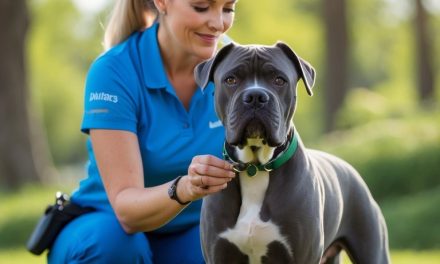
The journey of a Cane Corso from a tiny, helpless puppy to a dignified senior companion is nothing short of remarkable. Understanding the 19 Life Stages Every Cane Corso Dog Goes Through helps owners provide the best care, training, and support at each critical phase of development. This ancient Italian breed, known for its protective nature and powerful build, experiences unique physical and behavioral changes that set it apart from other dog breeds. Whether you’re a prospective owner or a devoted Cane Corso parent, knowing what to expect at each stage ensures your gentle giant thrives throughout their entire life.

Key Takeaways
- 🐾 Cane Corsos experience 19 distinct life stages from birth through senior years, each requiring specific care and attention
- 💪 Critical socialization windows occur between 3-14 weeks, making early exposure essential for a well-adjusted adult dog
- 📈 Rapid growth phases happen during the first 18 months, requiring careful nutrition and exercise management to prevent joint issues
- 🧠 Mental maturity lags behind physical development, with Cane Corsos not fully mature until 2-3 years of age
- ❤️ Senior care begins around age 7-8, with proactive health monitoring extending quality of life significantly
Understanding the 19 Life Stages Every Cane Corso Dog Goes Through: An Overview
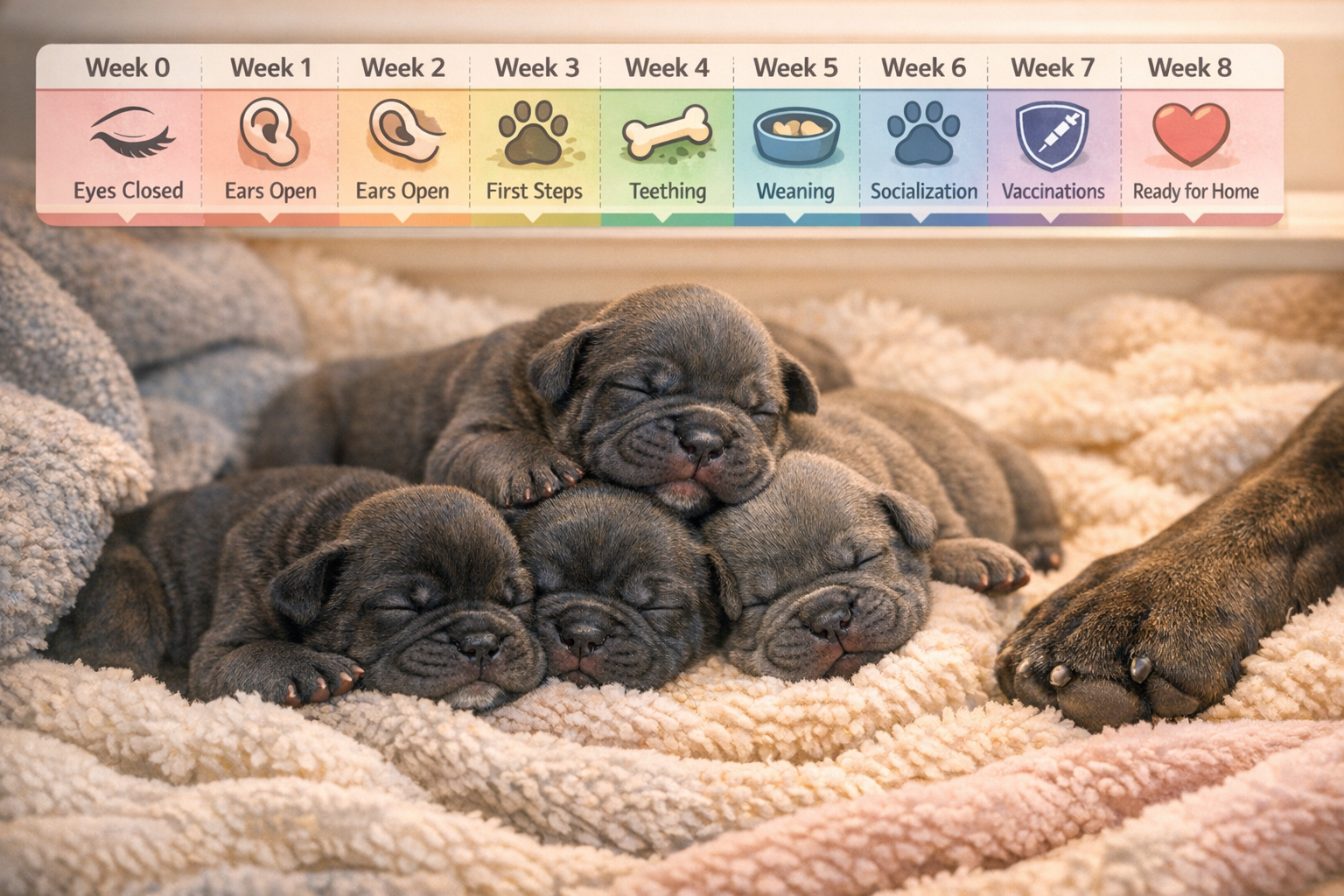
The Cane Corso breed experiences a longer developmental period than many other dogs due to their large size and working dog heritage[1]. These stages aren’t just about physical growth—they encompass emotional development, behavioral changes, and cognitive maturation that shape the dog’s entire personality and capabilities.
Each stage presents unique challenges and opportunities for bonding, training, and health management. From the vulnerable neonatal period to the golden senior years, understanding these transitions helps owners anticipate needs and respond appropriately.
Stages 1-5: The Critical Neonatal and Early Puppy Period
Stage 1: Neonatal Period (0-2 Weeks) 👶
The neonatal stage begins at birth when Cane Corso puppies are completely dependent on their mother. These tiny puppies weigh just 1-1.5 pounds and are born with:
- Closed eyes and ear canals
- Limited mobility (crawling only)
- No ability to regulate body temperature
- Reflexive behaviors for nursing
During this stage, puppies spend 90% of their time sleeping and 10% nursing[2]. The mother provides all nutrition, warmth, and stimulation needed for elimination.
Stage 2: Transitional Period (2-3 Weeks) 👀
This brief but significant stage marks major developmental milestones:
- Eyes open around day 10-14
- Ear canals open around day 13-17
- First baby teeth begin emerging
- Puppies start attempting to stand and walk
The transitional period represents the puppy’s first awareness of their environment. They begin responding to sounds and light, though their senses remain underdeveloped.
Stage 3: Awareness Period (3-4 Weeks) 🌟
Puppies become increasingly aware of their littermates and surroundings. Key developments include:
- Social play begins with siblings
- Tail wagging appears for the first time
- Puppies start eating softened puppy food
- Elimination becomes voluntary
This stage is crucial for learning bite inhibition through play with littermates. Puppies who miss this interaction may struggle with mouth control later[3].
Stage 4: Canine Socialization Period (4-7 Weeks) 🐕
The canine socialization period is when puppies learn “how to be a dog” from their mother and siblings. During this time:
- Mother dog teaches discipline and boundaries
- Littermate play becomes more complex
- Puppies learn communication signals
- Hierarchy and social structure understanding develops
Important: Puppies should never be separated from their mother and littermates before 8 weeks of age, as this period is essential for proper behavioral development.
Stage 5: Human Socialization Period (7-12 Weeks) 👨👩👧👦
This is arguably the most critical stage in the 19 Life Stages Every Cane Corso Dog Goes Through. The human socialization window represents a brief period when puppies are most receptive to new experiences:
| Week | Key Focus | Activities |
|---|---|---|
| 7-8 | Transition to new home | Gentle handling, safe environment |
| 8-10 | Positive exposure | Meeting new people, household sounds |
| 10-12 | Expanded socialization | Controlled dog meetings, new places |
“The experiences a Cane Corso has between 7-12 weeks of age will shape their temperament for life. Positive, varied exposure during this window is non-negotiable for a well-adjusted adult.” – Dr. Sarah Mitchell, Veterinary Behaviorist
Stages 6-10: Puppyhood Development and Growth
Stage 6: Fear Impact Period (8-11 Weeks) 😰
Despite ongoing socialization, puppies experience a fear impact period where traumatic experiences can have lasting effects. During this sensitive time:
- Puppies may suddenly become wary of new things
- Negative experiences create stronger memories
- Gentle, positive reinforcement is essential
- Forced exposure can cause permanent fears
Owners should continue socialization but avoid overwhelming situations like crowded events or aggressive dogs.
Stage 7: Seniority Classification Period (12-16 Weeks) 📊
Puppies begin testing boundaries and establishing their place in the family hierarchy:
- Independence increases significantly
- Puppies test rules and limits
- Teething intensifies (provide appropriate chew toys)
- Basic obedience training becomes crucial
This stage requires consistent, firm, but gentle guidance. Cane Corsos are intelligent and will quickly learn what they can get away with.
Stage 8: Flight Instinct Period (4-8 Months) 🏃
During this stage, Cane Corso puppies may:
- Ignore recall commands they previously knew
- Become distracted easily during walks
- Test boundaries by wandering
- Display increased independence
Safety tip: Keep puppies on leash or in secure areas during this period. Many dogs are lost when owners underestimate the flight instinct phase.
Stage 9: Second Fear Impact Period (6-14 Months) 😟
A second fear period occurs during adolescence, often catching owners off guard:
- Previously confident puppies may become fearful
- New fears can develop seemingly overnight
- Reactions to familiar things may change
- Protective instincts begin emerging
Continue positive exposure and avoid punishment-based training, which can worsen fears during this vulnerable period.
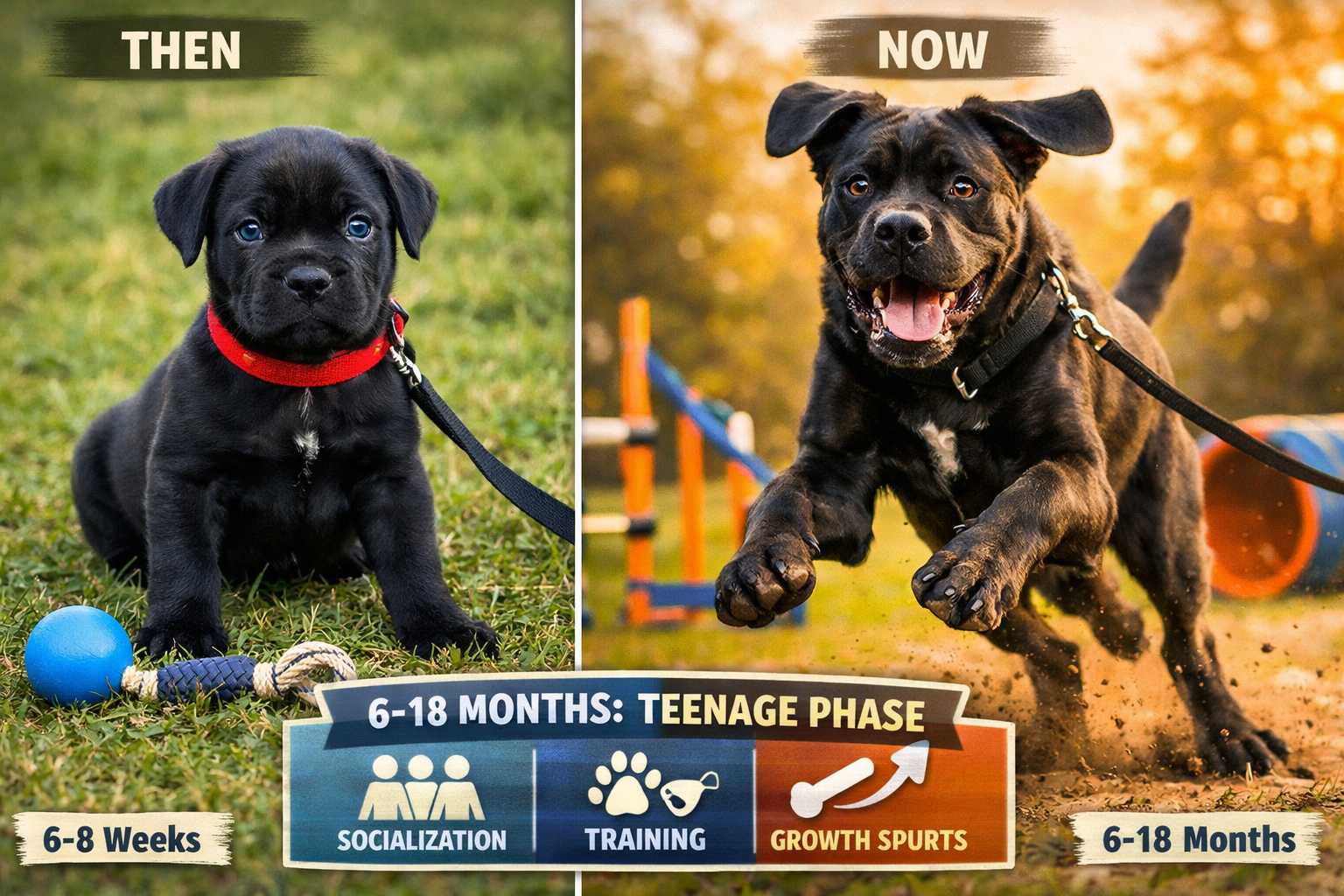
Stage 10: Adolescence (6-18 Months) 🎭
Adolescence is perhaps the most challenging phase in the 19 Life Stages Every Cane Corso Dog Goes Through. This “teenage” period brings:
- Hormonal changes affecting behavior
- Testing of previously learned commands
- Increased energy and strength
- Sexual maturity (females first heat, males marking)
- Potential dog-dog reactivity
Physical growth continues rapidly, but mental maturity lags behind. A 12-month-old Cane Corso may weigh 90-100 pounds but still have the impulse control of a puppy[4].
Stages 11-15: Young Adulthood and Maturation
Stage 11: Young Adult Transition (18-24 Months) 🎯
As Cane Corsos approach their second birthday, they begin settling into their adult personality:
- Energy levels stabilize (though still high)
- Training becomes more reliable
- Protective instincts fully develop
- Physical growth slows significantly
This is an excellent time to advance training and establish lifelong habits. Many Cane Corsos excel in activities like:
- Protection sports
- Weight pulling
- Advanced obedience
- Therapy dog work
Stage 12: Social Maturity (2-3 Years) 🤝
Social maturity marks when a Cane Corso’s temperament fully solidifies:
- Dog-dog interactions may change
- Same-sex aggression can emerge
- Territory guarding intensifies
- Confidence peaks
Some Cane Corsos who were friendly with all dogs as puppies become more selective during social maturity. This is normal breed behavior and requires management, not punishment.
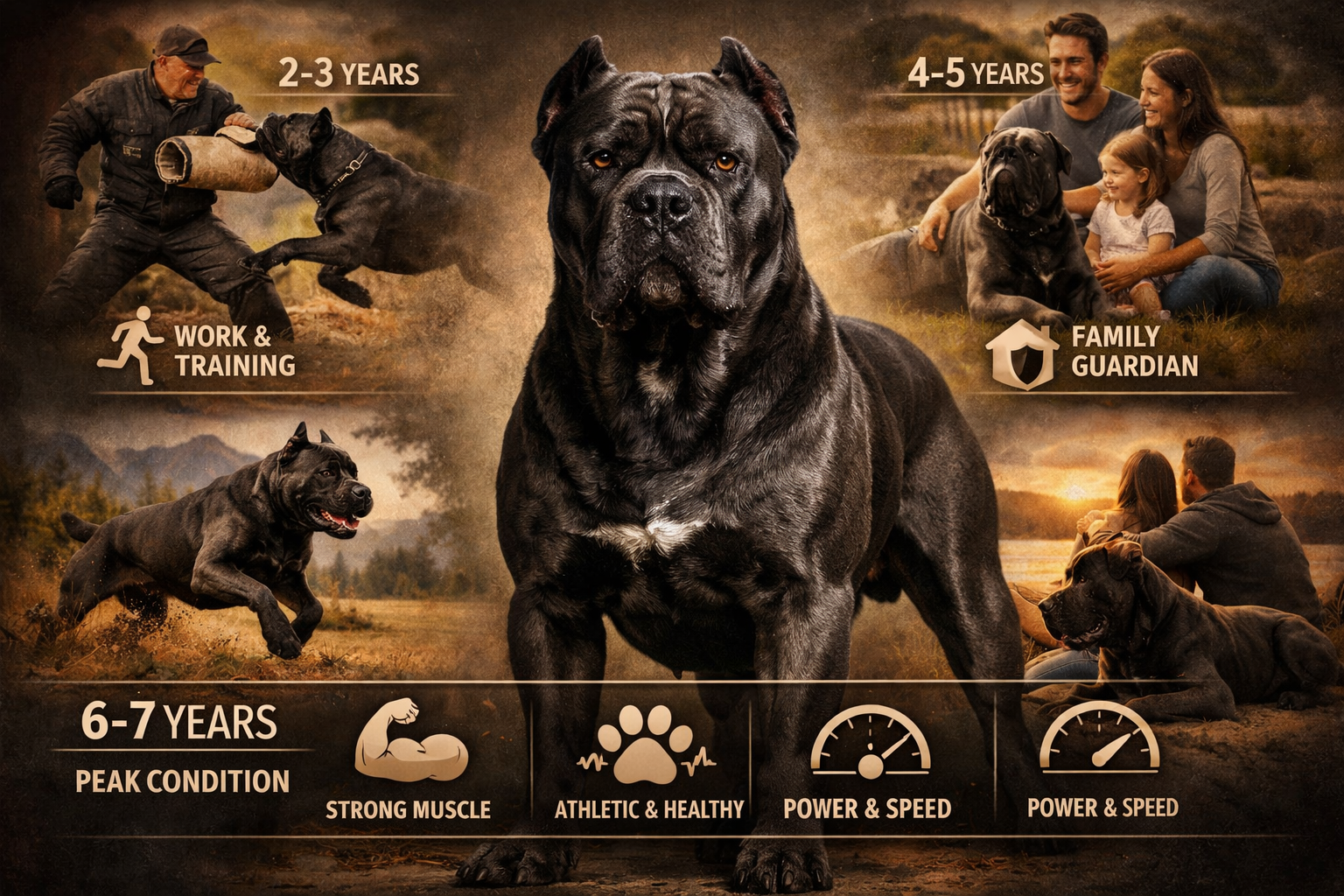
Stage 13: Prime Adult (3-5 Years) 💪
These are the peak years for a Cane Corso:
- Maximum physical strength and endurance
- Mental maturity matches physical capability
- Training retention is excellent
- Health is typically optimal
Dogs in this stage thrive with:
- Regular exercise (60-90 minutes daily)
- Mental stimulation through training
- Consistent routine and boundaries
- Preventive veterinary care
Stage 14: Established Adult (5-7 Years) 🏆
The established adult stage represents stability and confidence:
- Personality is fully developed
- Behavioral predictability increases
- Energy remains good but less frantic
- Strong bond with family is evident
This is often when the Cane Corso-owner relationship is most rewarding. The dog understands their role, responds reliably to training, and provides steadfast companionship.
Stage 15: Early Senior Transition (7-8 Years) 🍂
Around age 7, subtle changes signal the beginning of senior years:
- Slight decrease in energy
- First gray hairs around the muzzle
- Minor stiffness after rest
- Possible weight management challenges
Proactive care during this transition can significantly extend quality of life. Consider:
- Annual bloodwork to catch issues early
- Joint supplements (glucosamine, chondroitin)
- Diet adjustment for senior needs
- Continued but modified exercise
Stages 16-19: The Senior Years and Golden Age
Stage 16: Senior Adult (8-10 Years) 👴
The senior stage requires adapted care and increased vigilance:
- Regular veterinary check-ups (every 6 months)
- Monitoring for breed-specific issues (hip dysplasia, bloat, heart conditions)
- Adjusted exercise to prevent overexertion
- Possible dietary changes for health conditions
Common health concerns in senior Cane Corsos include:
| Condition | Signs | Management |
|---|---|---|
| Arthritis | Stiffness, reluctance to move | Pain medication, supplements, physical therapy |
| Dental disease | Bad breath, difficulty eating | Professional cleaning, daily brushing |
| Heart conditions | Coughing, fatigue | Medication, reduced sodium diet |
| Vision/hearing loss | Bumping into objects, not responding | Environmental modifications |
Stage 17: Late Senior (10-11 Years) 🌅
As Cane Corsos reach their late senior years:
- Mobility often decreases significantly
- Cognitive changes may appear
- Sleep increases substantially
- Comfort becomes the priority
Quality of life considerations include:
- Orthopedic beds for joint support
- Ramps or steps for furniture/vehicles
- Non-slip flooring for safety
- Patience with accidents or confusion
Stage 18: Geriatric Stage (11+ Years) 🕊️
Cane Corsos who reach 11+ years are remarkable survivors, as the breed’s average lifespan is 9-12 years[5]. This stage requires:
- Palliative care focus
- Pain management as needed
- Assistance with mobility
- Frequent monitoring for distress
Many owners work closely with veterinarians to ensure their beloved companion remains comfortable and maintains dignity during this final stage.
Stage 19: End of Life 💔
The final stage in the 19 Life Stages Every Cane Corso Dog Goes Through is the most difficult for owners. Whether through natural passing or humane euthanasia, this stage involves:
- Recognizing when quality of life has diminished
- Making compassionate decisions
- Providing comfort and presence
- Grieving the loss of a family member
“A Cane Corso gives their entire life protecting and loving their family. The final gift we can give them is a peaceful, dignified end surrounded by those they love.” – Dr. James Rodriguez, Veterinarian
Signs that end of life may be approaching:
- Inability to stand or walk
- Refusal to eat or drink
- Labored breathing
- Incontinence
- Obvious pain that cannot be managed
- Loss of interest in surroundings
Special Considerations Throughout the Life Stages
Nutrition Across Life Stages 🍖
Proper nutrition changes dramatically throughout the 19 Life Stages Every Cane Corso Dog Goes Through:
- Puppies (0-18 months): Large breed puppy formula to control growth rate and prevent joint issues
- Adults (18 months-7 years): High-quality protein, controlled calories to prevent obesity
- Seniors (7+ years): Lower calorie, higher fiber, joint-supporting ingredients
Exercise Requirements by Stage 🏃♂️
Exercise needs vary significantly:
- Puppies: Short, frequent play sessions (5 minutes per month of age, twice daily)
- Adolescents: Moderate exercise, avoiding high-impact activities until growth plates close
- Adults: 60-90 minutes daily of varied activity
- Seniors: Gentle walks, swimming, adapted to individual capability
Training Approaches for Different Stages 📚
Training methods should adapt to developmental stage:
- Early puppies: Socialization and basic manners
- Adolescents: Consistency, patience, positive reinforcement
- Adults: Advanced training, job/purpose
- Seniors: Mental stimulation, gentle refreshers
Health Screening Throughout Life Stages
Responsible Cane Corso ownership includes stage-appropriate health screening:
Puppy Stage:
- OFA hip preliminary at 6 months (optional)
- Cardiac examination
- Eye examination
Adult Stage:
- OFA hip and elbow certification at 2 years
- Annual cardiac screening
- Thyroid testing if indicated
Senior Stage:
- Biannual comprehensive bloodwork
- Blood pressure monitoring
- Cancer screening
Early detection through appropriate screening can add years to a Cane Corso’s life[6].
Behavioral Expectations Through the Stages
Understanding normal behavioral changes prevents misdiagnosis of problems:
- Puppies: High energy, short attention span, mouthy play
- Adolescents: Testing boundaries, selective hearing, increased independence
- Adults: Protective, loyal, calm in home, alert to threats
- Seniors: Decreased tolerance for disruption, preference for routine, possible grumpiness
The Importance of Consistency Across All Stages
One factor that remains constant throughout the 19 Life Stages Every Cane Corso Dog Goes Through is the need for consistent leadership. This breed requires:
- Clear boundaries and rules
- Confident, calm handling
- Fair, predictable consequences
- Positive reinforcement for desired behaviors
Cane Corsos who lack consistent guidance often develop behavioral problems, regardless of their life stage.
Conclusion: Embracing Every Stage of Your Cane Corso’s Life
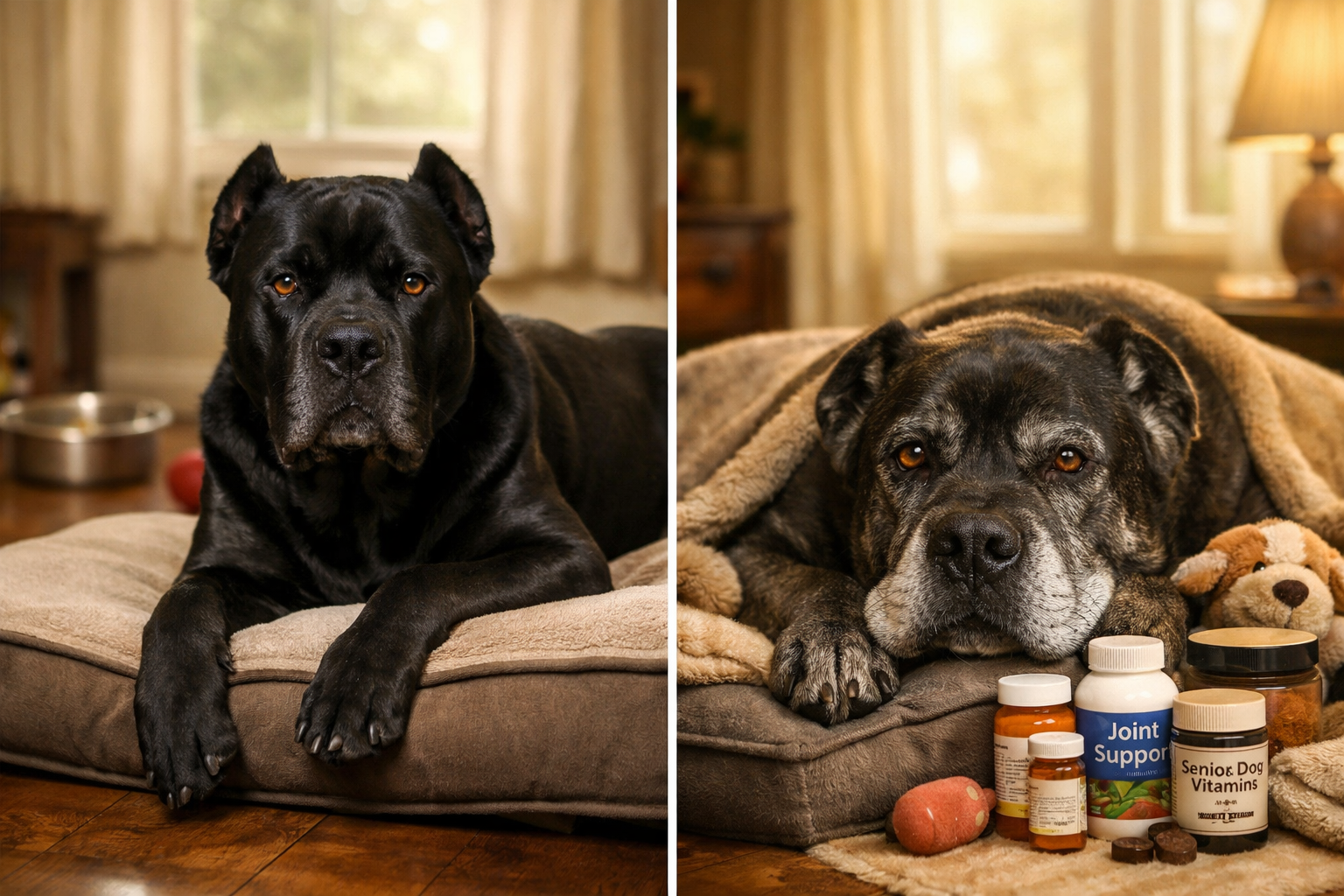
The 19 Life Stages Every Cane Corso Dog Goes Through represent an incredible journey from helpless newborn to wise senior companion. Each stage brings unique joys, challenges, and opportunities for deepening the bond between dog and owner. By understanding what to expect at each phase, owners can provide appropriate care, training, and support that allows their Cane Corso to thrive throughout their entire life.
Actionable Next Steps:
- Identify your Cane Corso’s current life stage and research specific needs for that phase
- Schedule a veterinary consultation to discuss stage-appropriate health screening and preventive care
- Adjust training, exercise, and nutrition to match your dog’s developmental needs
- Document your journey with photos and notes to track changes and create lasting memories
- Connect with other Cane Corso owners through breed clubs or online communities to share experiences and advice
Remember, every stage is precious—from the adorable puppy phase through the dignified senior years. The time with your Cane Corso is limited, but the impact they have on your life is immeasurable. Embrace each stage fully, provide the best care possible, and cherish the unique bond that only a Cane Corso can provide.
References
[1] American Kennel Club. (2026). “Cane Corso Breed Standard and Development.” AKC Official Breed Standards.
[2] Veterinary Partner. (2026). “Puppy Development Stages: From Birth to Two Years.” VIN Educational Resources.
[3] Overall, K. (2025). “Manual of Clinical Behavioral Medicine for Dogs and Cats.” Elsevier Health Sciences.
[4] Cane Corso Association of America. (2026). “Growth and Development Guidelines for Cane Corso Owners.”
[5] Adams, V.J., et al. (2025). “Results of a Survey of UK Purebred Dogs: Longevity and Mortality.” Journal of Small Animal Practice.
[6] Orthopedic Foundation for Animals. (2026). “Health Screening Recommendations for Large Breed Dogs.”