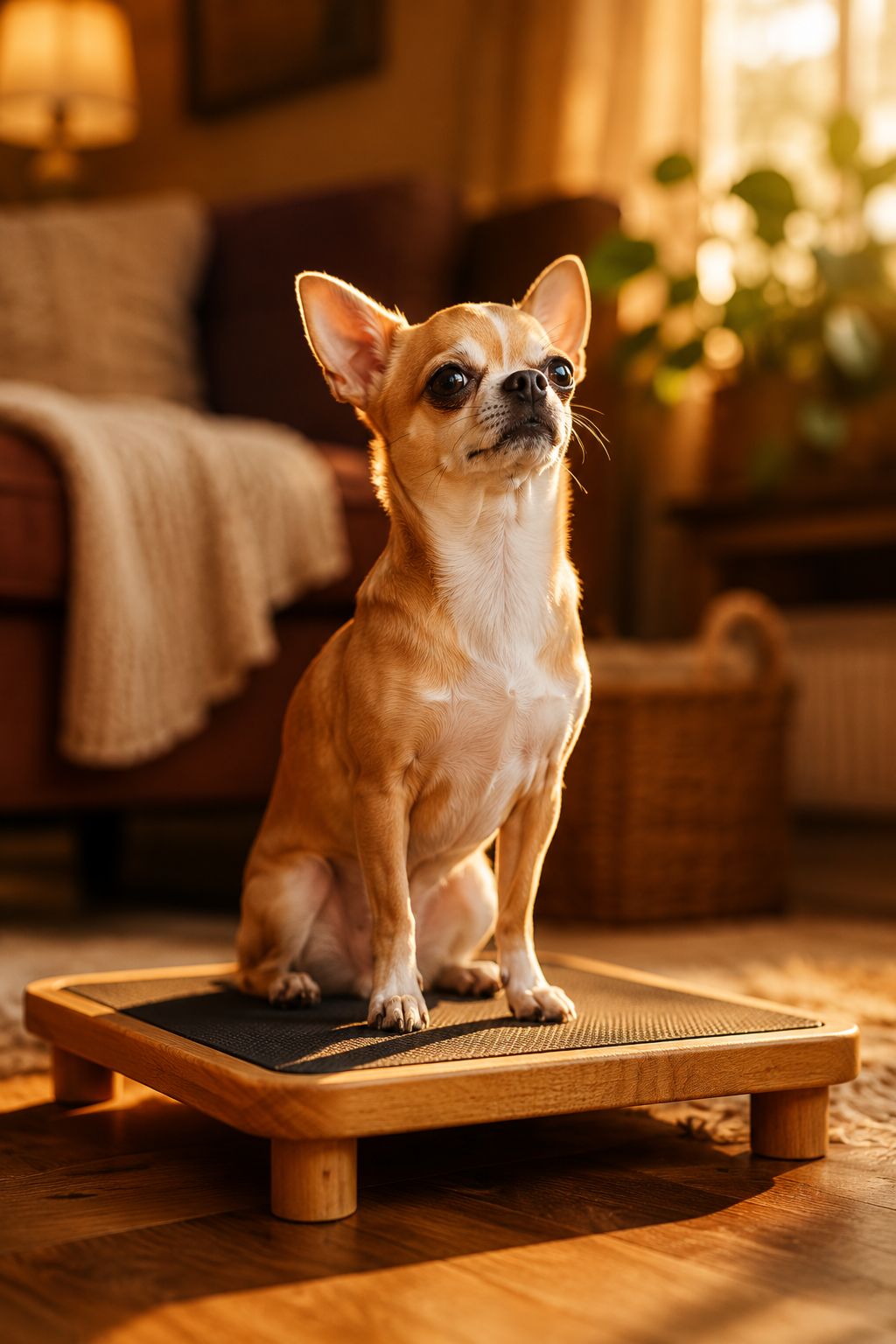
Chihuahuas are the smallest dog breed in the world — but they consistently rank among the top 10 most popular breeds in the United States, year after year. That tiny body holds a massive, bold personality. And that personality? It can make training feel like negotiating with a very small, very confident boss.

If your Chihuahua ignores commands, barks at everything, or acts like the rules simply don’t apply to them — you are not alone. These 10 Chihuahua training tips for stubborn tiny personalities are designed to help real dog owners get real results. Whether your pup is brand new or has been running the household for years, these strategies work. 🐾
Key Takeaways
- 🧠 Chihuahuas are smart — their stubbornness is often about motivation, not ability.
- 🍖 High-value treats are the single most powerful training tool for this breed.
- ⏱️ Short, frequent sessions work far better than long, exhausting ones.
- 🚫 Harsh corrections backfire — positive reinforcement is the only way to go.
- 🏠 Socialization early and often prevents fear-based aggression and anxiety.
Why Are Chihuahuas So Stubborn?
Before diving into the 10 Chihuahua training tips for stubborn tiny personalities, it helps to understand why these dogs act the way they do.
Chihuahuas are not dumb. In fact, they are quite clever. The problem is that they are also incredibly independent thinkers. They were bred in Mexico and have a long history of surviving on their own terms. That self-reliance is baked into their DNA.
Here are the main reasons Chihuahuas resist training:
| Reason | What It Looks Like |
|---|---|
| High independence | Ignores commands unless motivated |
| Fear response | Snaps, barks, or freezes when scared |
| “Small dog syndrome” | Allowed to get away with bad behavior |
| Lack of consistency | Confused by mixed signals from owners |
| Low-value rewards | Bored by treats they don’t care about |
💬 “The biggest mistake Chihuahua owners make is assuming their dog can’t learn. They absolutely can — they just need the right reason to try.”
Understanding these reasons makes every tip below make much more sense. Let’s get into it.
The 10 Chihuahua Training Tips for Stubborn Tiny Personalities
Tip 1: Start With the Right Mindset 🧠
Training a Chihuahua starts in your head, not theirs. Many owners accidentally treat their tiny dogs like fragile accessories instead of actual dogs. This is a huge mistake.
Chihuahuas need structure, boundaries, and consistency just like any other breed. When owners skip rules because the dog is cute and small, the dog learns that rules are optional. That is where stubbornness is born.
Action step: Decide on your house rules before you start training. Write them down. Share them with everyone in the home. Consistency from all humans is non-negotiable.
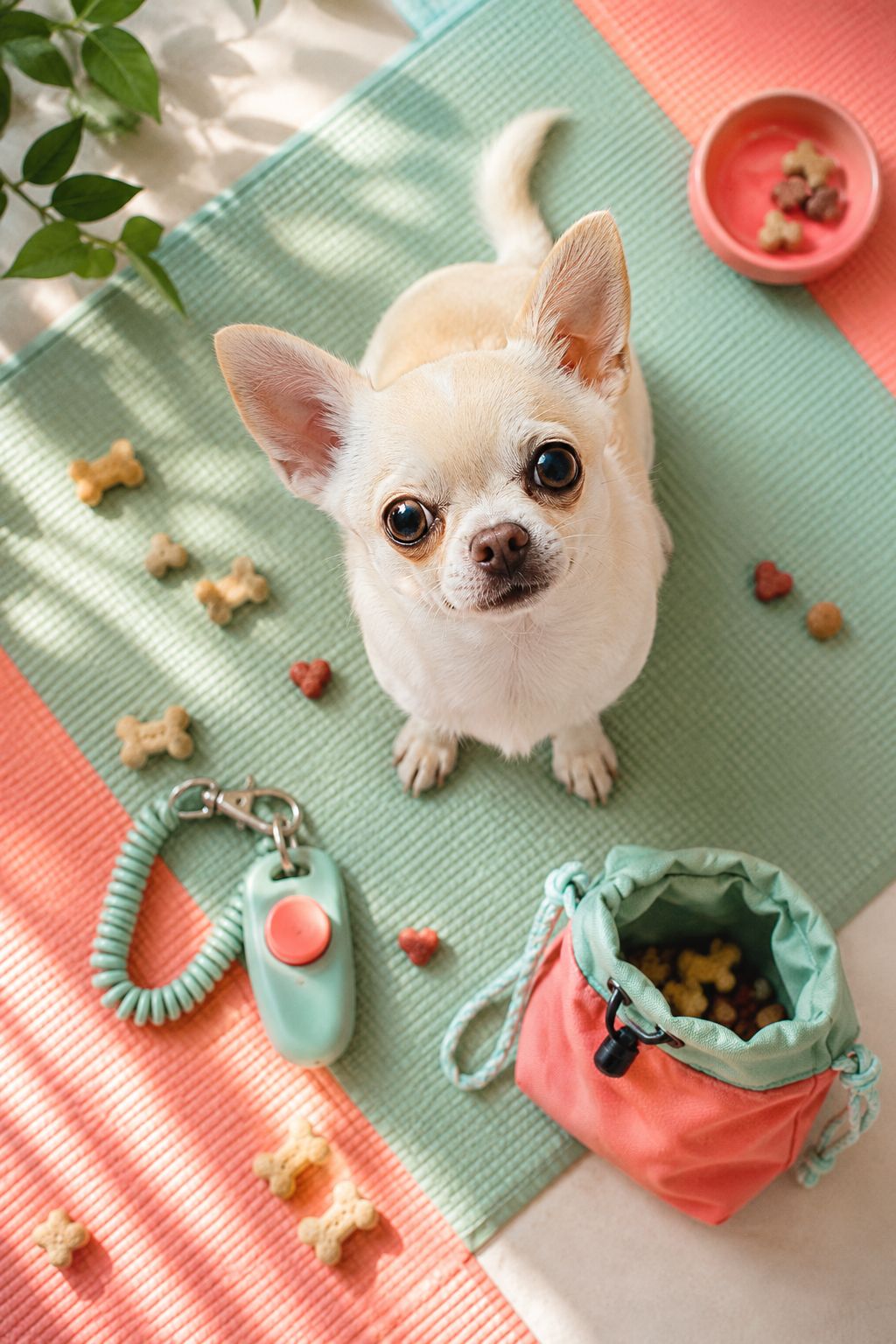
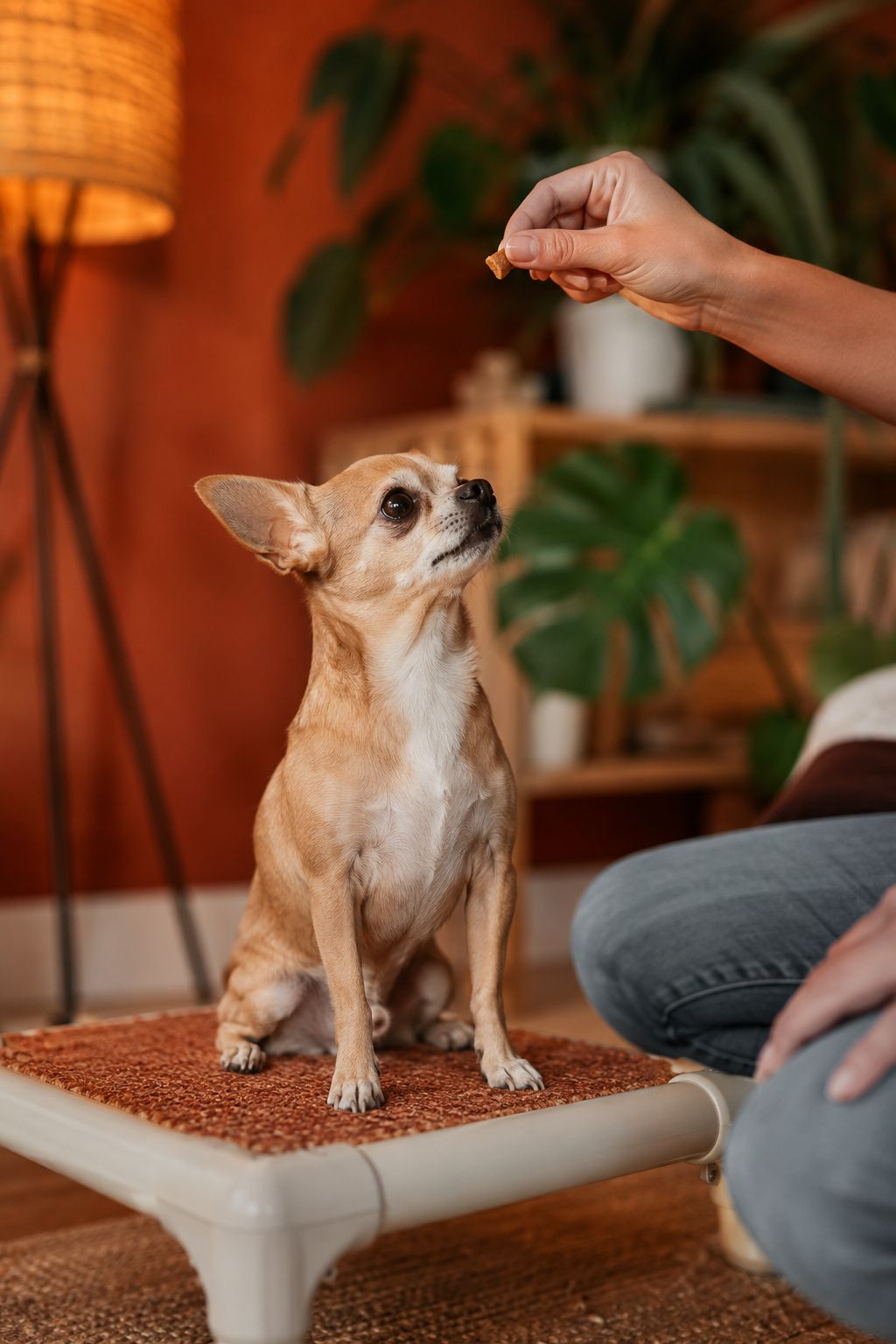
Tip 2: Use High-Value Treats 🍗
This is probably the most important tip on this entire list.
Chihuahuas are food-motivated — but only for food they actually want. Dry kibble during training? They will walk away. A tiny piece of cooked chicken or cheese? Suddenly they are the most focused dog in the world.
Best high-value treats for Chihuahuas:
- 🐔 Tiny pieces of cooked chicken
- 🧀 Small crumbles of cheese
- 🥩 Freeze-dried beef or liver
- 🐟 Small bits of canned tuna or salmon
Keep treats tiny — about the size of a pea. Chihuahuas are small, and too many calories add up fast.
Tip 3: Keep Sessions Short and Sweet ⏱️
A Chihuahua’s attention span is not built for 30-minute training marathons. Trying to push through a long session usually ends in frustration for both dog and owner.
The sweet spot: 3 to 5 minutes per session, 2 to 3 times per day.
Short sessions keep the dog engaged and end on a positive note. Always stop while the dog is still interested — not after they have mentally checked out.
💬 “Three five-minute sessions beat one fifteen-minute session every single time with this breed.”
Tip 4: Master the Art of Positive Reinforcement ✅
Chihuahuas do not respond well to harsh corrections. Yelling, leash jerks, or physical punishment can permanently damage trust with this sensitive breed.
Positive reinforcement means rewarding the behavior you want so the dog repeats it. It is simple, science-backed, and it works.
Here is how it works in practice:
- Ask for a behavior (like “sit”)
- The moment the dog does it — immediately reward with a treat and praise
- Repeat until the dog connects the command to the action
The timing of the reward matters enormously. A reward given even 3 seconds late can confuse the dog about what they are being rewarded for.
Tip 5: Socialize Early and Often 🐕
Fear is one of the biggest drivers of bad behavior in Chihuahuas. A poorly socialized Chihuahua may bark, snap, or tremble at strangers, other dogs, or new environments.
Socialization means exposing your dog to:
- New people (adults, children, people wearing hats or glasses)
- Other friendly dogs
- Different sounds (traffic, vacuums, music)
- Various surfaces (grass, tile, gravel)
- New places (parks, pet stores, car rides)
The critical socialization window is between 3 and 14 weeks of age. But even adult Chihuahuas can improve with gradual, positive exposure.
Pro tip: Always pair new experiences with high-value treats. New thing = good thing.
Tip 6: Teach Basic Commands First 🎓
Before tackling fancy tricks, nail the basics. These four commands form the foundation of a well-behaved Chihuahua:
| Command | Why It Matters |
|---|---|
| Sit | Builds focus and impulse control |
| Stay | Keeps the dog safe in dangerous situations |
| Come | Critical for off-leash safety |
| Leave it | Prevents eating dangerous items |
Work on one command at a time. Do not move to the next until the current one is solid. Trying to teach too many things at once overwhelms a Chihuahua and slows progress.
Tip 7: Address Barking With a Plan 🔇
Chihuahuas are famous for their bark. It is loud, sharp, and seemingly endless. But barking is a behavior — and behaviors can be changed.
Common reasons Chihuahuas bark:
- Alert barking (someone at the door)
- Fear or anxiety
- Attention-seeking
- Boredom
What works:
- Teach the “quiet” command by rewarding silence
- Never yell at a barking Chihuahua — they think you are joining in
- Manage the environment (block window views if alert barking is constant)
- Increase exercise and mental stimulation to reduce boredom barking
What does NOT work:
- Shouting “no” repeatedly
- Punishing after the fact
- Giving attention (even negative attention) when barking
Tip 8: Use a Crate as a Safe Space 🏠
Crate training is one of the most misunderstood tools in dog training. Many owners feel guilty using one. But for a Chihuahua, a crate can become a beloved den — a personal safe space they choose to go to on their own.
Benefits of crate training:
- Speeds up housebreaking significantly
- Reduces anxiety when left alone
- Prevents destructive behavior
- Gives the dog a sense of security
How to make the crate a happy place:
- Never use the crate as punishment
- Feed meals near or inside the crate
- Place a worn T-shirt inside so it smells like the owner
- Start with short periods and gradually increase time
A crate that is too large will not feel like a den. Choose one where the dog can stand, turn around, and lie down — nothing bigger.
Tip 9: Be Consistent Every Single Day 📅
This tip sounds simple. It is also the one most owners struggle with.
Consistency means:
- Same commands every time (not “sit” one day and “sit down” the next)
- Same rules every day (not allowing couch access on weekends but not weekdays)
- Same response to behavior from every person in the home
Chihuahuas are very good at finding loopholes. If grandma lets the dog jump on her, the dog learns that jumping sometimes works. And “sometimes” is enough to keep the behavior going.
💬 “Inconsistency is the enemy of training. Every exception teaches the dog that rules are negotiable.”
Tip 10: Celebrate Small Wins 🎉
Training a stubborn Chihuahua is a marathon, not a sprint. Progress can feel slow. But every tiny improvement deserves recognition — for the dog and the owner.
Did the dog sit on the first ask today instead of the third? That is a win. Did they walk past another dog without barking? Huge win. Did they go into their crate without being carried? Celebrate it.
Positive momentum builds on itself. When owners stay encouraged, they train more consistently. When they train more consistently, the dog improves faster. It is a cycle worth starting.
Keep a simple training journal. Write down what worked, what did not, and any progress made. Looking back after a month can be incredibly motivating.
Common Mistakes to Avoid With Chihuahua Training
Even with the best intentions, owners fall into these traps:
❌ Carrying the Dog Everywhere
Chihuahuas that are always carried never learn to face the world on their own four feet. This increases anxiety and fear-based behavior. Let them walk, explore, and problem-solve.
❌ Skipping Leash Training
Small dogs need leash manners too. A Chihuahua that pulls, lunges, or refuses to walk is not fun to take anywhere. Start leash training early with a well-fitted harness (not a collar — their tiny necks are fragile).
❌ Giving In to Demanding Behavior
When a Chihuahua barks, paws, or whines for attention and the owner gives it — the dog learns that demanding behavior works. Only reward calm, polite behavior.
❌ Comparing Progress to Other Breeds
Chihuahuas are not Golden Retrievers. They are not bred to please. Progress may be slower, and that is completely normal. Patience is a training tool.
Quick-Reference Training Schedule for Beginners
Here is a simple weekly plan to get started:
| Day | Focus |
|---|---|
| Monday | Sit command (3 sessions, 5 min each) |
| Tuesday | Sit review + introduce Stay |
| Wednesday | Crate introduction + socialization walk |
| Thursday | Stay practice + leash manners |
| Friday | Come command introduction |
| Saturday | Review all commands + fun trick |
| Sunday | Rest day — play and bonding time |
Adjust based on the dog’s pace. Some Chihuahuas will fly through this. Others need more time on each step. Both are fine.
When to Consider Professional Help
Sometimes, despite best efforts, progress stalls. That is when a professional trainer can make a big difference.
Consider professional help if:
- The dog shows aggression (growling, snapping, biting)
- Anxiety is severe and affects daily life
- Housebreaking is not improving after 8+ weeks of consistent effort
- The owner feels frustrated or overwhelmed
Look for a trainer who uses positive reinforcement methods and has experience with small or toy breeds. Avoid trainers who rely on punishment or dominance-based techniques — these approaches can seriously backfire with Chihuahuas.
Conclusion
These 10 Chihuahua training tips for stubborn tiny personalities are not magic. They require time, patience, and daily effort. But the payoff — a confident, well-behaved, happy little dog — is absolutely worth it.
Here is a quick recap of the most important action steps to take right now:
✅ Start today — pick one command and begin with high-value treats
✅ Keep sessions short — 3 to 5 minutes, 2 to 3 times daily
✅ Be consistent — same rules, same commands, every single day
✅ Socialize regularly — new experiences paired with rewards
✅ Celebrate progress — every small win counts
Chihuahuas are not difficult dogs. They are determined dogs. And with the right approach, that determination can be channeled into a dog that is a joy to live with. The stubbornness that makes training challenging is the same quality that makes this breed so endlessly entertaining and lovable. 🐾
The best time to start training was the day the dog came home. The second best time is right now.
Tags: Chihuahua training, stubborn dog tips, small dog training, positive reinforcement, Chihuahua behavior, dog training tips, toy breed training, Chihuahua socialization, crate training, dog obedience, puppy training, pet care