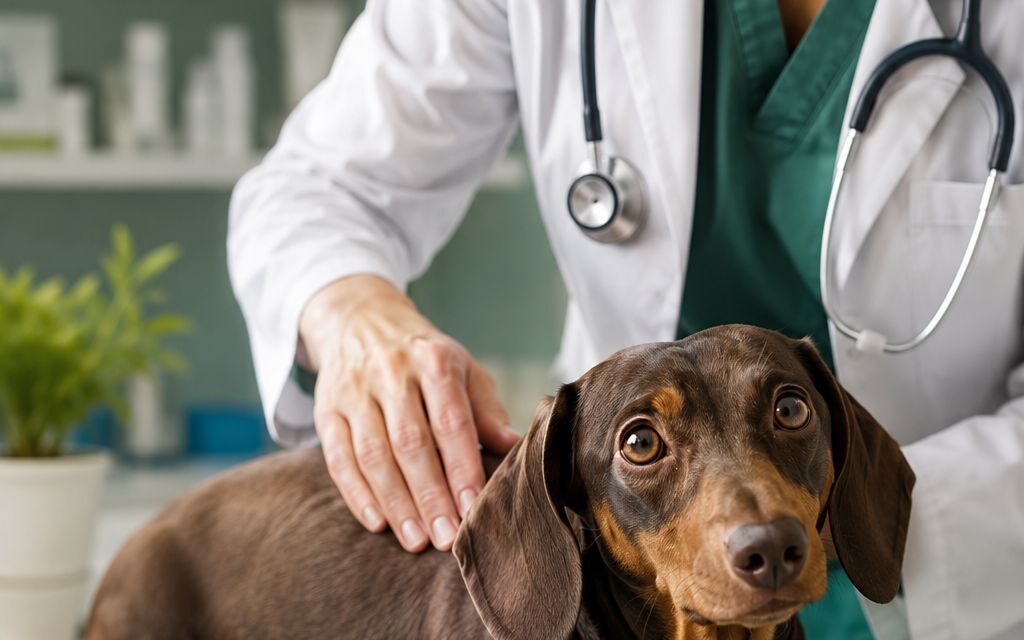

One in four dachshunds will develop a serious spinal problem in their lifetime — a staggering statistic that makes this breed one of the most medically unique dogs in the world. These long-bodied, short-legged charmers are beloved by millions, but their adorable shape comes with real health challenges. Understanding the 11 Weiner Dog health issues every owner must know could be the difference between catching a problem early and facing a heartbreaking outcome.

Dachshunds — also lovingly called “wiener dogs,” “sausage dogs,” or “doxies” — are fiercely loyal and full of personality. But their long spines, floppy ears, and deep chests make them prone to specific conditions that other breeds rarely face. Whether you already have a dachshund or are thinking about getting one, knowing these health risks in 2026 is absolutely essential.
Key Takeaways
- 🐾 Dachshunds are prone to spinal disc disease more than almost any other breed
- 🦷 Dental disease, obesity, and ear infections are among the most preventable dachshund health problems
- 👁️ Eye and heart conditions can develop silently — regular vet checkups are critical
- 🏃 Keeping your dachshund at a healthy weight dramatically reduces the risk of several serious conditions
- 💉 Early detection and proper care can help your wiener dog live a long, happy life of 12–16 years
Why Dachshunds Face Unique Health Challenges
Dachshunds were originally bred in Germany to hunt badgers. Their long bodies and short legs were perfect for digging into burrows. But that same body shape creates physical stress that no other breed deals with quite the same way.
Their spine is unusually long compared to their leg length. This puts extra pressure on the discs between their vertebrae. Their floppy ears trap moisture. Their deep chests make them prone to bloating. Understanding why these issues happen helps owners take better preventive action.
“The best medicine for a dachshund is an informed owner.” — Common veterinary wisdom
Let’s dive into all 11 weiner dog health issues every owner must know so you can keep your sausage dog safe and thriving. 🌭🐶
The 11 Weiner Dog Health Issues Every Owner Must Know
1. 🦴 Intervertebral Disc Disease (IVDD)
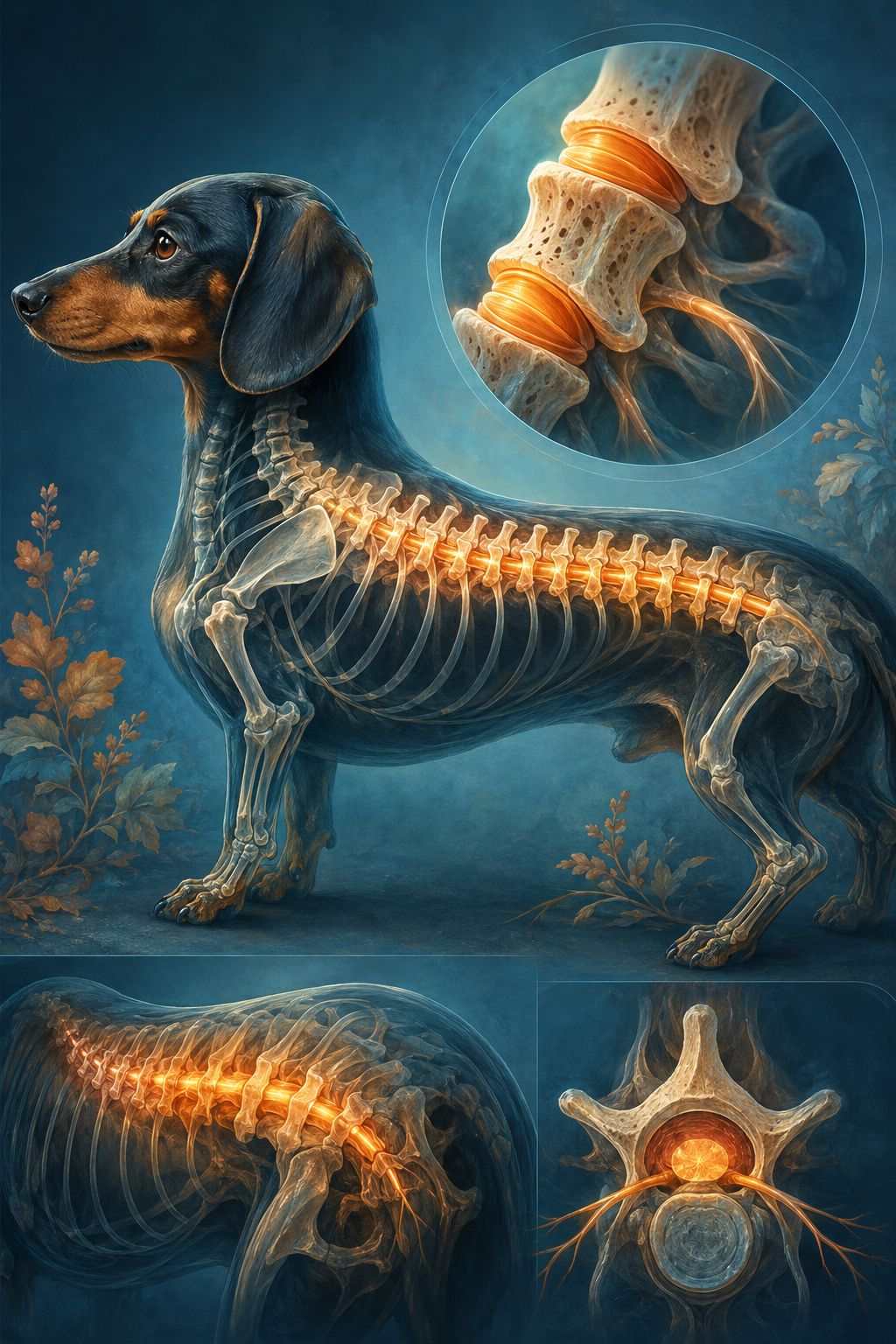
This is the big one. Intervertebral Disc Disease — or IVDD — is the most serious and common health problem in dachshunds. Studies show that up to 25% of dachshunds will experience IVDD at some point in their lives.
What is it?
The discs between the bones of the spine act like little cushions. In dachshunds, these discs can harden and burst. When that happens, the disc material presses on the spinal cord. This causes pain, weakness, and sometimes paralysis.
Warning signs to watch for:
- Crying out when picked up
- Refusing to jump or climb stairs
- Dragging back legs
- Hunched back posture
- Loss of bladder or bowel control
What to do:
Rush to the vet immediately if you notice any of these signs. Time matters. Surgery within 24–48 hours gives the best chance of recovery.
Prevention tips:
- Use ramps instead of stairs
- Never let your dachshund jump off furniture
- Keep them at a healthy weight
- Avoid rough play that twists the spine
2. 🦷 Dental Disease
Dental disease is one of the most overlooked dachshund health problems — and one of the most common. By age three, most dogs have some level of dental disease. For small breeds like dachshunds, it can be even worse.
Why dachshunds are at risk:
Small dogs have teeth that are often crowded together. This makes it easier for plaque and tartar to build up. Left untreated, bacteria from the mouth can enter the bloodstream and damage the heart, kidneys, and liver.
Signs of dental problems:
- Bad breath 🤢
- Yellow or brown teeth
- Drooling more than usual
- Pawing at the mouth
- Difficulty eating
Prevention:
- Brush teeth 2–3 times per week
- Offer dental chews approved by the Veterinary Oral Health Council (VOHC)
- Schedule professional dental cleanings at the vet
3. ⚖️ Obesity
Dachshunds LOVE food. They will beg, stare, and perform tricks just to get a treat. But obesity is one of the most dangerous dachshund health issues because it makes almost every other problem worse.
| Risk Factor | How Obesity Makes It Worse |
|---|---|
| IVDD | Extra weight crushes spinal discs faster |
| Joint pain | More pressure on already-stressed joints |
| Heart disease | Heart works harder to pump blood |
| Diabetes | Body struggles to manage blood sugar |
| Breathing | Harder for the lungs to work properly |
Healthy weight range: Most standard dachshunds should weigh 16–32 lbs. Miniature dachshunds should stay under 11 lbs.
Tips to keep weight in check:
- Measure food portions — no free feeding
- Limit treats to 10% of daily calories
- Daily walks and playtime
- Ask your vet for a body condition score at every visit
4. 👁️ Eye Problems
Dachshunds can develop several eye conditions as they age. Some of these are inherited. Others develop over time.
Common eye issues include:
- Progressive Retinal Atrophy (PRA): The retina slowly breaks down, leading to blindness. There is no cure, but dogs adapt well.
- Cataracts: Cloudy lenses that blur vision. Can sometimes be treated with surgery.
- Dry Eye (KCS): The eyes don’t make enough tears. Causes redness and discharge.
- Glaucoma: Pressure builds up inside the eye. Very painful and can cause blindness quickly.
What to watch for:
- Cloudy or bluish eyes
- Bumping into things
- Excessive blinking or squinting
- Eye discharge or redness
Regular eye exams at the vet can catch these issues early. 👀
5. ❤️ Heart Disease
Dachshunds are prone to a heart condition called Mitral Valve Disease (MVD). This is when the valve on the left side of the heart starts to leak. Blood flows backward instead of forward, making the heart work harder.
MVD is very common in older dachshunds. It often develops slowly over many years.
Early signs:
- Coughing (especially at night or after exercise)
- Getting tired more quickly
- Breathing faster than normal
- Reduced interest in walks or play
What helps:
- Annual heart checkups with a stethoscope
- Medications prescribed by the vet can manage symptoms
- Low-sodium diet in some cases
- Avoiding extreme exercise
💡 Pro tip: Ask your vet to listen to your dachshund’s heart at every annual visit. A murmur is often the first sign of MVD.
6. 👂 Ear Infections
Those adorable floppy ears are a health hazard! Dachshund ears hang down and cover the ear canal. This traps moisture, dirt, and wax — creating the perfect environment for bacteria and yeast to grow.
Signs of an ear infection:
- Head shaking 🐕
- Scratching at ears
- Dark discharge or wax buildup
- Bad smell coming from the ears
- Redness or swelling inside the ear
Prevention routine:
- Check ears weekly
- Clean with a vet-approved ear cleaner
- Dry ears thoroughly after baths or swimming
- Never insert cotton swabs deep into the ear canal
Chronic ear infections can lead to hearing loss if left untreated. Don’t ignore the signs!
7. 🩺 Cushing’s Disease (Hyperadrenocorticism)
Cushing’s disease happens when the body produces too much of a hormone called cortisol. Dachshunds are one of the breeds most commonly affected.
Common symptoms:
- Pot-bellied appearance
- Increased thirst and urination
- Hair loss (especially on the body, not the head)
- Increased appetite
- Skin that looks thin or fragile
- Muscle weakness
Cushing’s disease is usually diagnosed in middle-aged to older dachshunds (typically 6 years and older).
Diagnosis and treatment:
Blood tests and urine tests help diagnose it. Medication can manage the condition well. Most dogs live comfortably for years after diagnosis with proper treatment.
8. 🦵 Patellar Luxation
Patellar luxation means the kneecap slips out of place. It’s more common in miniature dachshunds than standard ones.
What it looks like:
- Sudden skipping or hopping on one leg
- Holding a back leg up while walking
- Occasional yelping
The condition ranges from mild (Grade 1) to severe (Grade 4). Mild cases may need no treatment. Severe cases may require surgery.
Prevention:
- Keep weight healthy to reduce joint stress
- Avoid activities that involve sudden twisting or jumping
- Gentle, low-impact exercise like walking on flat surfaces
9. 🩸 Diabetes Mellitus
Dachshunds — especially overweight ones — have a higher-than-average risk of developing diabetes. Female dachshunds are particularly prone.
Diabetes happens when the body can’t properly use or produce insulin. Without insulin, blood sugar levels rise dangerously high.
Warning signs:
- Drinking a lot more water than usual 💧
- Urinating much more frequently
- Sudden weight loss despite eating well
- Cloudy eyes (cataracts can develop quickly in diabetic dogs)
- Low energy levels
Management:
Diabetes in dogs is manageable but requires commitment. Most diabetic dogs need daily insulin injections, a consistent feeding schedule, and regular vet monitoring.
The good news? Preventing obesity dramatically lowers the risk of diabetes.
10. 🧬 Lafora Disease
This one surprises many dachshund owners because it’s not widely talked about. Lafora disease is a rare but serious genetic condition that mainly affects miniature wire-haired dachshunds.
It’s a form of progressive epilepsy caused by a genetic mutation. Affected dogs accumulate abnormal sugar deposits in their brain cells.
Symptoms usually appear around age 5–7:
- Muscle jerks, especially when startled by sound or light
- Seizures
- Difficulty walking
- Vision problems
What to know:
- There is a DNA test available to identify carriers
- Responsible breeders should test their dogs
- There is no cure, but medications can help manage seizures
If getting a miniature wire-haired dachshund, always ask the breeder for Lafora disease test results.
11. 🌡️ Hypothyroidism
Hypothyroidism means the thyroid gland doesn’t produce enough thyroid hormone. This slows down the body’s metabolism.
Common signs:
- Weight gain without eating more
- Lethargy and low energy 😴
- Dull, dry coat
- Hair loss
- Feeling cold easily
- Skin infections
Hypothyroidism is diagnosed with a simple blood test. The good news is that it’s very treatable. A daily oral medication (levothyroxine) replaces the missing hormone. Most dogs feel dramatically better within weeks of starting treatment.
Preventing and Managing Weiner Dog Health Issues

Understanding the 11 weiner dog health issues every owner must know is only half the battle. Taking action is what truly protects your dog. Here are the most powerful prevention strategies:
🏥 Regular Vet Visits
| Age of Dog | Recommended Vet Visits |
|---|---|
| Puppy (0–1 year) | Every 3–4 months |
| Adult (1–7 years) | Once a year |
| Senior (7+ years) | Twice a year |
Early detection saves lives — and money. Many of the conditions listed above are far easier to treat when caught early.
🥗 Proper Nutrition
- Feed a high-quality, age-appropriate dog food
- Avoid table scraps and high-fat treats
- Measure portions carefully — don’t guess
- Ask your vet about joint-supporting supplements like glucosamine and omega-3 fatty acids
🏃 Safe Exercise
Dachshunds need daily exercise, but it must be done safely:
- Do: Daily walks on flat surfaces, gentle fetch, swimming (great for the spine!)
- Don’t: Allow jumping from furniture, rough wrestling, or steep stair climbing
🛏️ Home Modifications
- Install ramps or steps to couches and beds
- Use a harness instead of a collar (collars can stress the neck and spine)
- Provide a supportive orthopedic dog bed
- Baby gates to block access to stairs
🧬 Genetic Testing
If buying from a breeder, ask for health certifications. Responsible breeders test for:
- IVDD genetic markers
- Lafora disease (wire-haired miniatures)
- Progressive Retinal Atrophy
- Cardiac clearances
Quick Reference: 11 Weiner Dog Health Issues at a Glance
| # | Health Issue | Risk Level | Preventable? |
|---|---|---|---|
| 1 | IVDD (Spinal Disc Disease) | 🔴 High | Partially |
| 2 | Dental Disease | 🟡 Medium | Yes |
| 3 | Obesity | 🔴 High | Yes |
| 4 | Eye Problems | 🟡 Medium | Partially |
| 5 | Heart Disease (MVD) | 🟡 Medium | Partially |
| 6 | Ear Infections | 🟢 Low–Medium | Yes |
| 7 | Cushing’s Disease | 🟡 Medium | No |
| 8 | Patellar Luxation | 🟢 Low–Medium | Partially |
| 9 | Diabetes | 🟡 Medium | Partially |
| 10 | Lafora Disease | 🟢 Low (genetic) | With testing |
| 11 | Hypothyroidism | 🟢 Low–Medium | No |
Conclusion
Dachshunds are extraordinary dogs — brave, curious, and deeply loving. But their unique body shape and genetic makeup mean they need owners who are equally extraordinary in their care. The 11 weiner dog health issues every owner must know range from the very common (IVDD, dental disease, obesity) to the less familiar (Lafora disease, Cushing’s disease). Each one is manageable with the right knowledge and action.
Here are your actionable next steps:
- ✅ Schedule a vet checkup if your dachshund hasn’t had one in the past year
- ✅ Assess your dog’s weight — ask your vet for a body condition score
- ✅ Install ramps at home to protect the spine
- ✅ Start a dental care routine with brushing or dental chews
- ✅ Learn the warning signs of IVDD and act fast if they appear
- ✅ Ask about genetic testing if you have a miniature wire-haired dachshund
A well-cared-for dachshund can live 12–16 happy, healthy years. With the knowledge from this guide, every owner has the power to make that happen. 🐾❤️
References
- Brisson, B. A. (2010). Intervertebral disc disease in dogs. Veterinary Clinics of North America: Small Animal Practice, 40(5), 829–858.
- Batcher, K., Dickinson, P., Giuffrida, M., Sturges, B., Vernau, K., Knipe, M., … & Bannasch, D. (2019). Phenotypic effects of FGF4 retrogenes on intervertebral disc disease in dogs. Genes, 10(6), 435.
- Packer, R. M. A., Hendricks, A., & Burn, C. C. (2013). Do dog owners perceive the clinical signs related to conformational inherited disorders as ‘normal’ for the breed? BMC Veterinary Research, 9, 108.
- Swann, J. W. (2019). Cushing’s syndrome in dogs. In Practice, 41(4), 148–158.
- Gough, A., Thomas, A., & O’Neill, D. (2018). Breed Predispositions to Disease in Dogs and Cats (3rd ed.). Wiley-Blackwell.
- Lund, E. M., Armstrong, P. J., Kirk, C. A., & Klausner, J. S. (2006). Prevalence and risk factors for obesity in adult dogs from private US veterinary practices. International Journal of Applied Research in Veterinary Medicine, 4(2), 177–186.
Tags: dachshund health, weiner dog health issues, IVDD in dachshunds, dachshund spine problems, miniature dachshund care, dog health tips, dachshund obesity, Cushing’s disease in dogs, dachshund dental care, pet health 2026, sausage dog problems, dachshund owner guide