(As an amazon affiliate, we earn a commission when purchasing via our links below)

Dogs communicate constantly, and every single second, they are sending signals with their bodies. Studies show that dogs use over 30 distinct body postures and signals to express how they feel. Yet most dog owners miss the majority of these messages every single day. Learning how to read your dog’s body language is one of the most powerful skills you can develop as a pet owner. It builds trust, prevents bites, and deepens the bond between you and your pup. 🐾
This guide breaks it all down in simple, easy-to-understand language. Whether your dog is wagging their tail, pinning their ears back, or rolling over for a belly rub, you will know exactly what it means.
Key Takeaways
- 🐕 Dogs speak through their whole body, tail, ears, eyes, posture, and mouth all work together.
- 😊 A wagging tail does not always mean a happy dog, the position and speed of the wag matters a lot.
- 😰 Knowing stress signals early can prevent bites and help your dog feel safer.
- 🎯 Positive reinforcement and reading body language together make training much more effective.
- 🤝 Understanding your dog’s signals strengthens your bond and builds deep, lasting trust.
Why Learning How to Read Your Dog’s Body Language Matters
Dogs cannot speak words. But they are always “talking.” Every flick of an ear, every shift of weight, every glance, it all means something.
When you understand what your dog is saying, everything changes. You can:
- Stop problems before they start, catch stress or fear early
- Train more effectively, reward the right moments
- Build a stronger bond, your dog feels truly understood
- Keep everyone safer, recognize warning signs before a bite happens
💬 “Dogs are experts at reading humans. The least we can do is learn to read them back.”
The Whole-Body Approach
Here is the most important rule of dog body language: never look at just one thing.
A wagging tail alone does not tell the whole story. You need to look at the whole picture, tail, ears, eyes, mouth, posture, and even fur, all at the same time.
Think of it like reading a sentence. One word alone does not make sense. But put all the words together, and the meaning is clear.
| Body Part | What It Can Signal |
|---|---|
| Tail | Happiness, fear, alertness, aggression |
| Ears | Attention, fear, relaxation, aggression |
| Eyes | Trust, fear, challenge, excitement |
| Mouth | Relaxation, stress, threat, play |
| Posture | Confidence, submission, fear, aggression |
| Fur/Hackles | Arousal, excitement, fear, aggression |
Understanding the Basics: What Every Body Part Is Saying
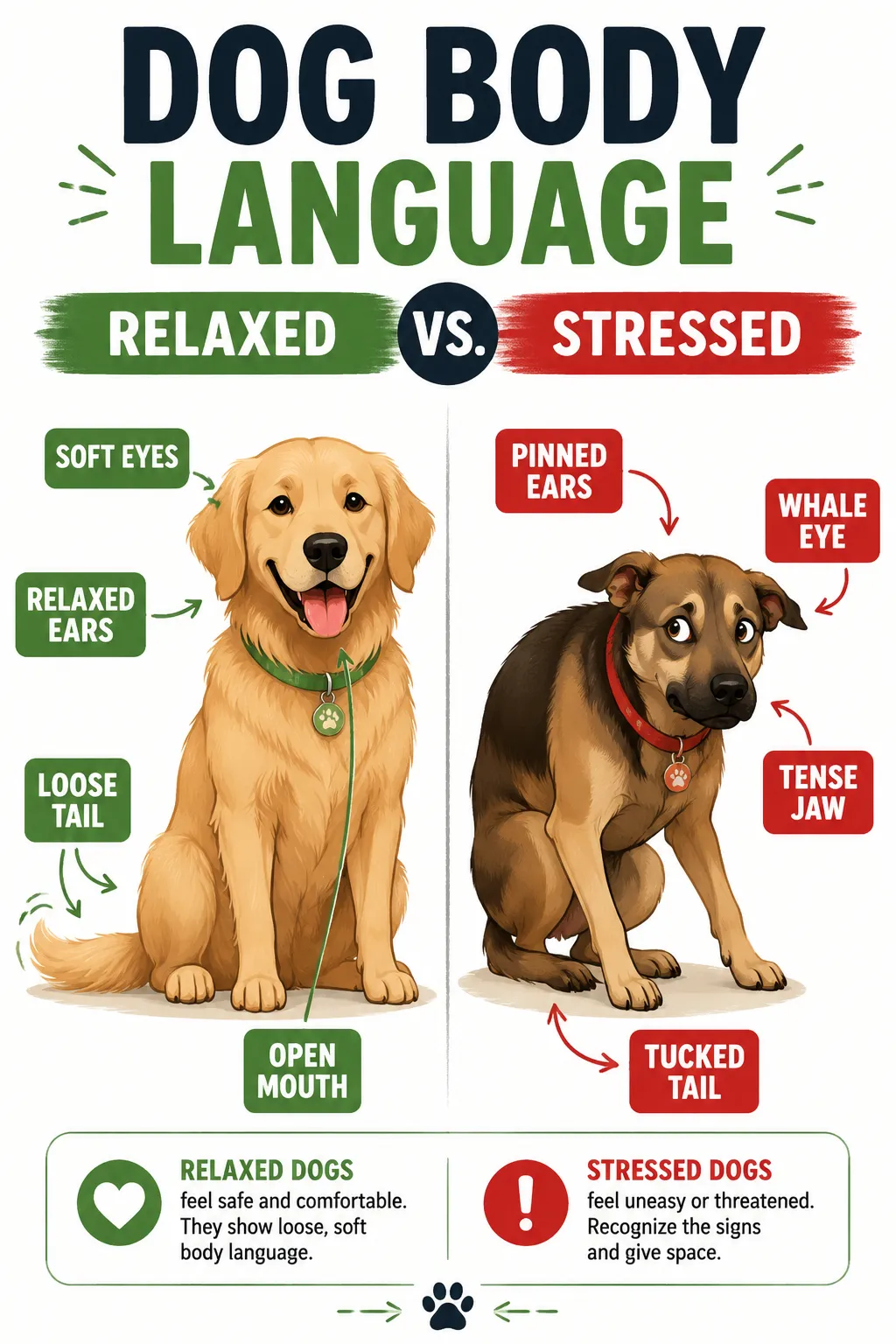
Let’s go body part by body part. This is your foundation for reading your dog’s signals correctly.
Tail Position and Movement
Most people think a wagging tail = a happy dog. That is not always true. The position and speed of the wag tells you much more than the wag itself.
High and stiff wag:
- The tail is held high and wags in short, fast, stiff movements
- This signals alertness or potential aggression
- The dog is aroused and possibly ready to react
Low and fast wag:
- The tail is held low or tucked and wags quickly
- This signals submission or nervousness
- The dog may be anxious or unsure
Relaxed, mid-height wag:
- The tail hangs at a natural height and wags in loose, sweeping movements
- This signals happiness and friendliness ✅
- This is the classic “happy dog” wag
Tucked tail:
- The tail is pulled tight between the hind legs
- This signals fear or extreme submission
- The dog feels threatened or very scared
Slow, stiff tail held high:
- Almost no movement, tail very high
- This is a warning signal, the dog may be about to react aggressively
🔑 Pro Tip: Research from the University of Trento found that dogs wag more to the right when they see something they like, and more to the left when they feel negative emotions. Even the direction of the wag carries meaning!
Ear Position
Ears are one of the fastest-moving parts of a dog’s body. They can shift in a fraction of a second, giving you real-time updates on how your dog feels.
Ears forward and perked:
- The dog is alert and interested
- They heard or saw something that caught their attention
- Could be curiosity or the start of excitement
Ears relaxed and floppy:
- The dog is calm and comfortable
- This is the “all is well” position
Ears pinned flat against the head:
- The dog feels scared, submissive, or very threatened
- Combined with a tucked tail, this is a clear fear signal
Ears slightly back but not flat:
- The dog may be feeling a little uncertain or stressed
- Watch the rest of the body to understand more
⚠️ Note: Ear shapes vary a lot between breeds. A floppy-eared Basset Hound cannot perk their ears the same way a German Shepherd can. Learn what “normal” looks like for your specific dog.
Eye Signals
Eyes are the windows to your dog’s soul, and they are full of information.
Soft, relaxed eyes:
- Slightly squinted, no tension around the eyes
- This means the dog is happy and relaxed 😊
Hard, staring eyes:
- Wide open, fixed stare, no blinking
- This is a challenge or threat signal
- Avoid direct staring contests with an unfamiliar dog
Whale Eye (half-moon eye):
- You can see the whites of the dog’s eyes in a crescent shape
- This is a stress or fear signal
- The dog is uncomfortable and may be about to react
Slow blinking:
- Relaxed, slow blinks
- This signals trust and contentment
- Slow blinking back at your dog is a great bonding gesture
Mouth and Facial Expressions
Relaxed, slightly open mouth:
- The dog looks like they are “smiling”
- Tongue may loll out loosely
- This signals happiness and relaxation ✅
Lips pulled back to show teeth (without growl):
- Sometimes called a “submissive grin”
- Some dogs do this when greeting people they love
- Context matters, look at the rest of the body
Lips pulled back with a growl:
- This is a warning signal
- The dog is saying “back off”
- Never punish a growl, it is your dog’s way of communicating before biting
Tight, closed mouth:
- The dog is tense or stressed
- Lips may look taut or pulled forward slightly
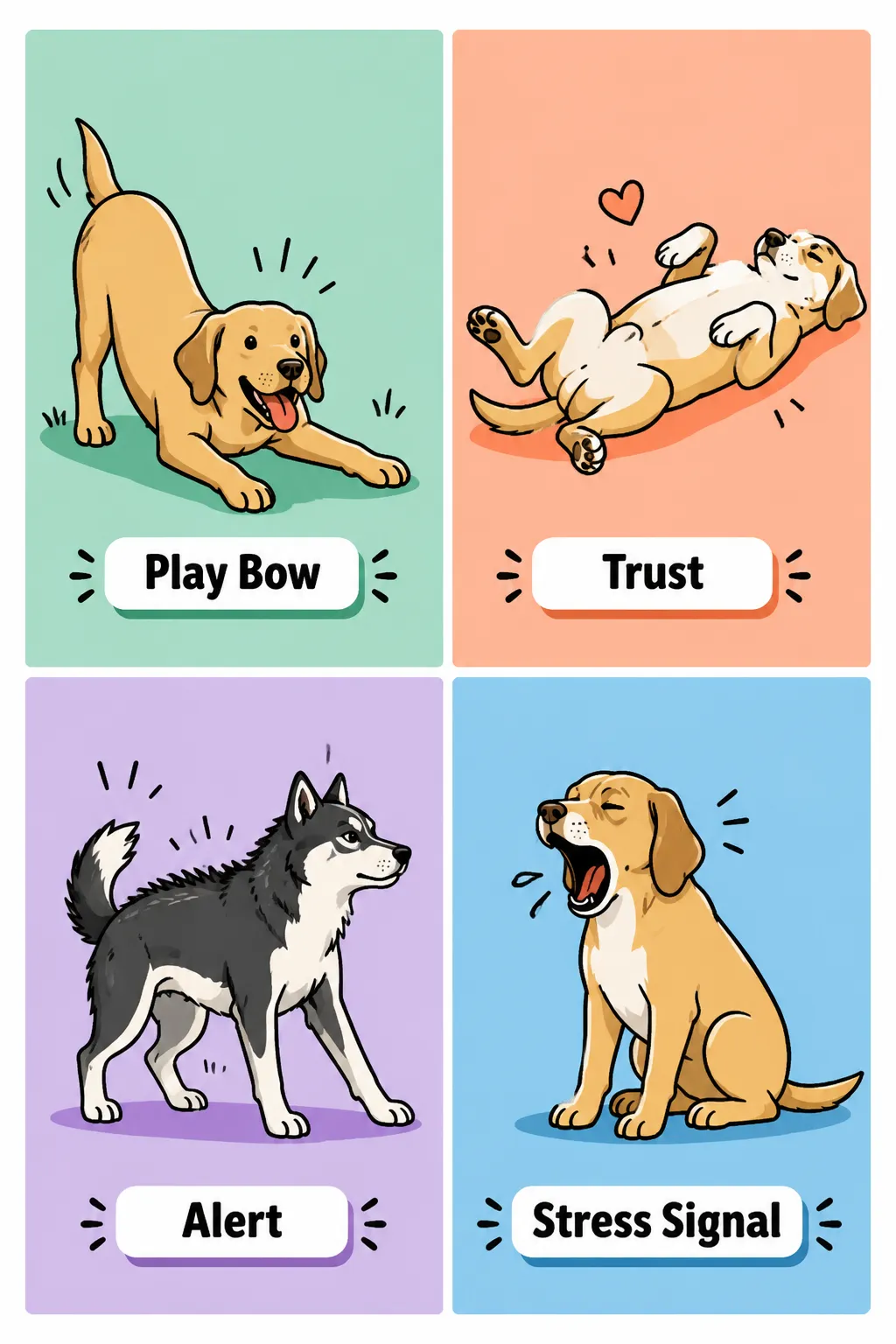
Yawning (when not tired):
- A yawn can be a stress signal or calming signal
- Dogs yawn to calm themselves and to communicate “I am not a threat”
- Watch for yawning during training or in new situations
Lip licking (when not near food):
- Another stress signal
- The dog is feeling uncomfortable or anxious
Body Posture
The way a dog holds their whole body tells a big story.
Loose, wiggly body:
- The dog’s whole body seems to wiggle
- This is pure joy and friendliness 🐶
Tall, stiff, forward-leaning posture:
- Weight shifted forward onto front paws
- This signals confidence, alertness, or potential aggression
Low, crouched posture:
- Weight shifted back or down
- This signals fear or submission
Play bow:
- Front end down, back end up, tail wagging
- This is the universal dog signal for “let’s play!” 🎉
- One of the clearest and most joyful signals a dog can give
Rolling over to show belly:
- Can mean “I trust you completely” (relaxed, wiggly)
- OR “please stop, I am scared” (stiff, tail tucked)
- Look at the whole body, is the dog relaxed or tense?
Hackles (Piloerection)
Hackles are the fur along a dog’s back and neck. When they stand up, it is called piloerection.
- Raised hackles do NOT always mean aggression
- They can signal excitement, arousal, fear, or uncertainty
- Think of it like goosebumps on a human, it is an automatic response to strong emotion
Reading Emotional States: What Your Dog Is Really Feeling
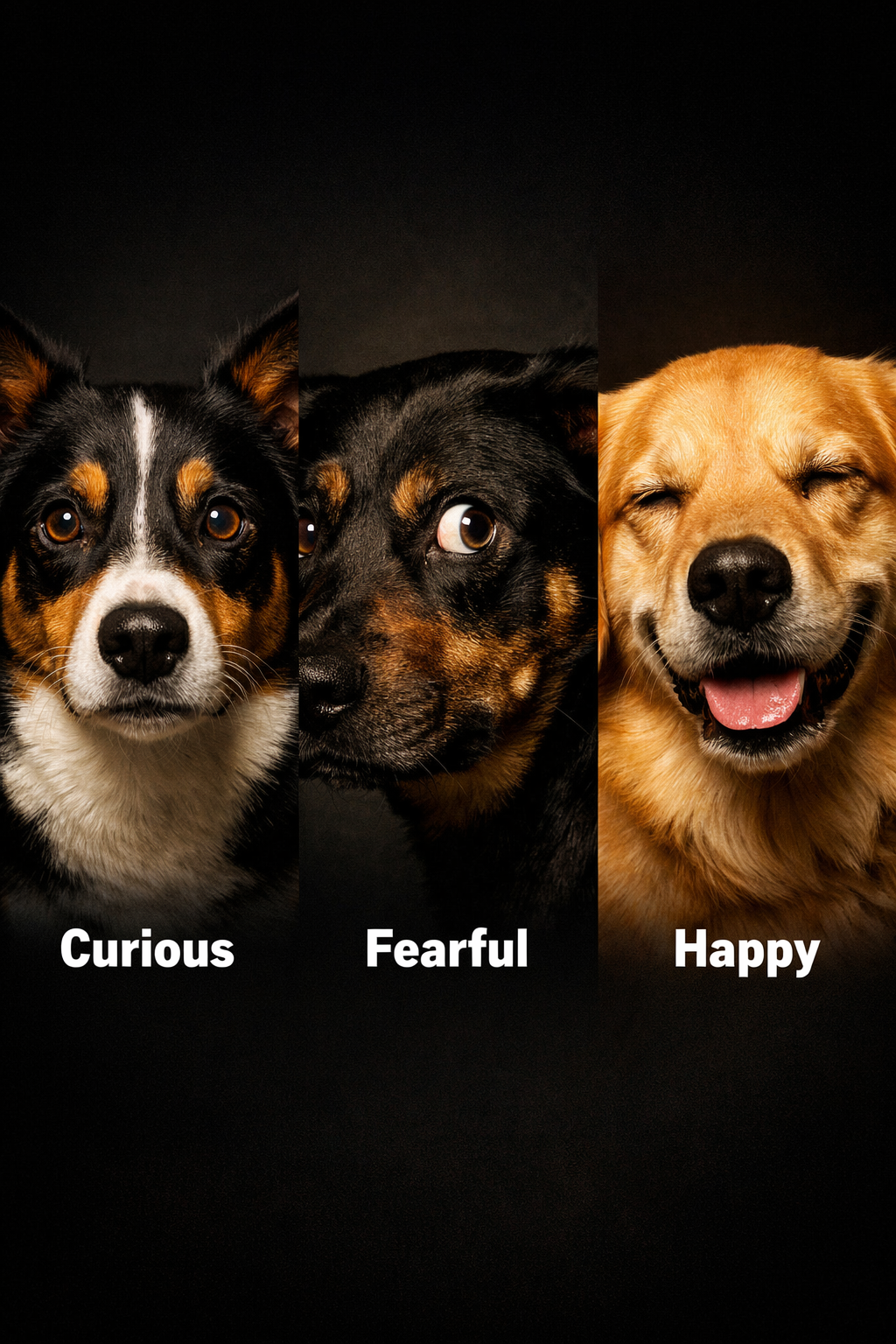
Now that you know the individual signals, let’s put them together to read your dog’s full emotional state.
The Happy, Relaxed Dog 😊
This is the dog you want to see most of the time.
- Tail: Loose, mid-height wag
- Ears: Relaxed, natural position
- Eyes: Soft, slightly squinted, slow blinks
- Mouth: Open, relaxed, tongue lolling
- Body: Loose, wiggly, no tension
- Overall vibe: Easy, comfortable, content
The Fearful Dog 😰
Fear is one of the most important emotional states to recognize. A fearful dog can become a biting dog if they feel trapped.
- Tail: Tucked between legs
- Ears: Pinned flat against head
- Eyes: Wide, whale eye visible
- Mouth: Closed tight, lip licking, yawning
- Body: Crouched low, weight shifted back
- May also: Tremble, shed excessively, try to hide
⚠️ Important: Never force a fearful dog into a situation. Give them space, speak softly, and let them approach on their own terms.
The Stressed Dog 😬
Stress signals are sometimes called “calming signals”, the dog is trying to calm themselves and others down.
Common stress signals include:
- Yawning (when not tired)
- Lip licking (when not near food)
- Sniffing the ground suddenly
- Turning their head or body away
- Scratching themselves (when not itchy)
- Shaking off (like after a bath, but they are dry)
These signals often appear during training, vet visits, or in crowded places. Recognizing them early lets you help your dog before they become overwhelmed.
The Alert/Aroused Dog 👀
- Tail: Held high, may be stiff
- Ears: Perked forward
- Eyes: Wide, hard stare
- Body: Weight forward, muscles tense
- Mouth: Closed
This dog has spotted something interesting, or concerning. It could go either way. Watch closely.
The Aggressive Dog ⚠️
Aggression almost always comes with a build-up of warning signals. Dogs rarely bite without warning, humans just miss the signs.
Warning signals in order (from mild to serious):
- Yawning, lip licking, turning away
- Stiff body, hard stare
- Growling
- Showing teeth (snarl)
- Snapping (a bite that misses on purpose)
- Biting
Never skip past the early signals. If your dog is yawning and turning away, something is bothering them. Address it before it escalates.
💬 “A dog that growls is giving you a gift, they are warning you before they bite. Never punish the growl.”
The Playful Dog 🎉
Play is one of the most joyful things to witness in a dog. Here is how to tell real play from something more serious:
- Play bow (front end down, back end up)
- Bouncy, exaggerated movements
- Loose, wiggly body
- Play face, open mouth, relaxed
- Taking turns chasing and being chased
- Pausing and re-starting (self-handicapping)
Play should look voluntary and mutual. If one dog keeps trying to leave, the play has stopped being fun for them.
How to Read Your Dog’s Body Language During Common Situations
Understanding body language in everyday situations helps you respond the right way at the right time.
Meeting a New Dog
Dog introductions can go smoothly or sideways fast. Here is what to watch for:
✅ Good signs:
- Both dogs have loose, wiggly bodies
- Play bows
- Sniffing with relaxed posture
- Taking turns leading and following
⚠️ Warning signs:
- One dog stiffens up
- Hard, direct stare
- One dog trying to mount the other repeatedly
- Growling or snapping
What to do: Keep the leash loose (tight leashes create tension). Let the dogs sniff briefly, then call them apart. Short, positive interactions are better than long, forced ones.
At the Vet
Most dogs find the vet stressful. Watch for:
- Lip licking and yawning in the waiting room
- Trembling or panting heavily
- Trying to hide behind your legs
- Refusing to move forward
What to do: Bring high-value treats. Let your dog sniff around. Speak in a calm, cheerful voice. Ask your vet about “fear-free” handling techniques.
During Training Sessions
Training is a great time to practice reading body language. Watch for:
- Engaged and happy: Ears forward, eyes bright, tail wagging, quick responses
- Confused: Head tilt, slower responses, looking away
- Stressed or tired: Yawning, sniffing the ground, distracted, shutting down
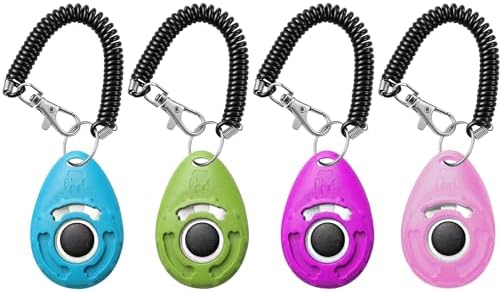
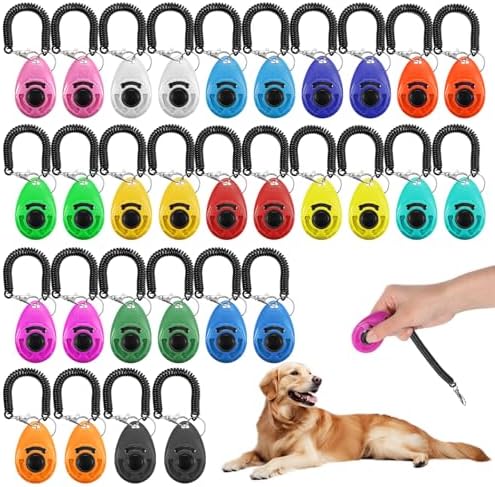
🎯 Training Tip: When your dog looks happy and engaged, that is the perfect moment to use a Training Clicker to mark good behavior instantly. A clicker helps you capture the exact second your dog does something right, making learning faster and clearer.

On Leash Walks
Leash walks are full of body language moments. Your dog is constantly processing the world.
Signs your dog is comfortable:
- Loose leash, relaxed trot
- Sniffing happily
- Checking in with you (glancing back)
- Tail at natural height, wagging loosely
Signs your dog is stressed or reactive:
- Pulling hard toward something
- Freezing and staring
- Hackles raised
- Lunging or barking
What to do: Create distance from the trigger. Use a calm voice. Redirect with a treat or a change of direction.
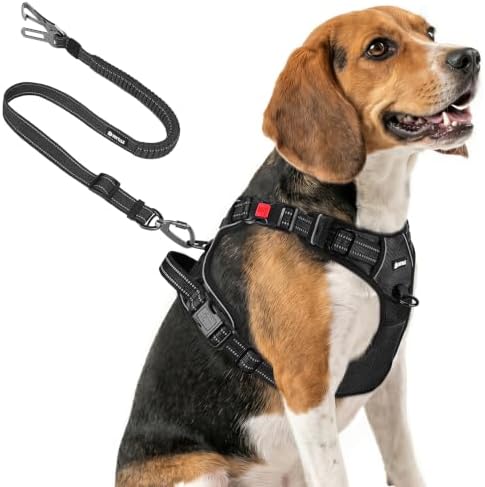
🦮 For dogs that pull, a front-clip Head Halter or No-Pull Harness can be a game-changer. It gives you gentle control without causing discomfort, and it helps your dog stay calmer on walks.


Training Tips: Using Body Language to Train Better
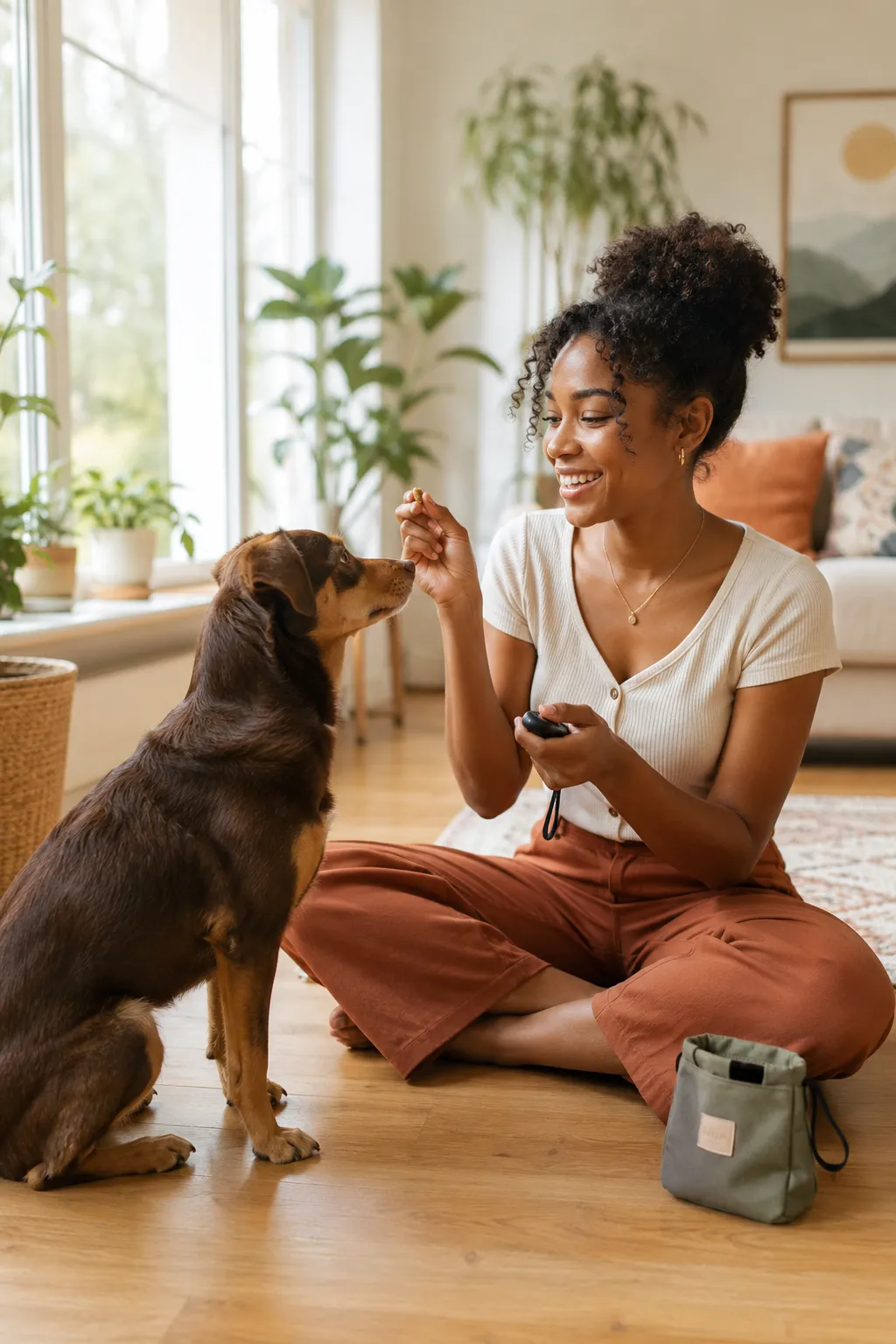
Reading your dog’s body language and training go hand in hand. The better you understand your dog, the more effective your training will be.
Time Your Rewards Perfectly
The secret to great training is timing. You need to mark the exact moment your dog does the right thing.
- A Training Clicker helps you mark good behavior instantly, the click sound is sharp and consistent, telling your dog “yes, THAT is what I want!”
- The click must happen at the exact moment of the good behavior, not a second later
Reward Good Behavior
After the click (or a verbal “yes!”), always follow up with a reward.
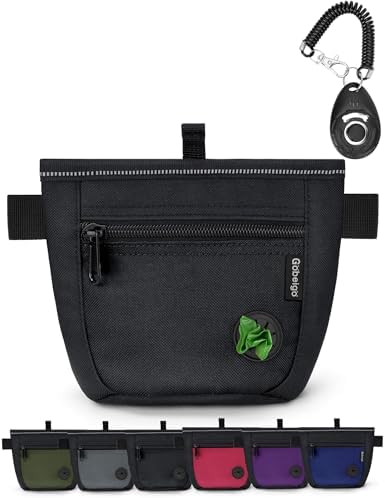
- Keep treats handy with a waist-worn Treat Pouch, it keeps your hands free and treats accessible at all times
- Use Dog Training Treats that are small and soft, small treats mean your dog stays motivated without getting full quickly, and soft treats are fast to eat so training flows smoothly


Best practices for rewarding:
- Reward immediately after the click
- Vary the reward size (sometimes one treat, sometimes a jackpot of several)
- Use praise and petting too, not just food
Read Your Dog’s Readiness
Before starting a training session, check your dog’s body language:
✅ Ready to train:
- Bright eyes, alert ears
- Loose, wiggly body
- Engaged, looking at you
❌ Not ready to train:
- Yawning, lip licking
- Distracted, sniffing everything
- Tired or overstimulated
Short sessions work best. Five to ten minutes of focused training beats one hour of frustrated repetition. Always end on a success.
Recall Training
Teaching your dog to come when called is one of the most important skills, and body language plays a big role.
- When calling your dog, use a happy, high-pitched voice and open, welcoming body language (crouch down, open arms)
- Never call your dog to you for something unpleasant (like a bath or nail trim), this teaches them not to come
- Practice in low-distraction environments first, then gradually add more distractions
📣 A silent Dog Whistle can help with long-distance commands. The consistent sound carries further than your voice and is less affected by wind or noise. Many dogs respond to a whistle more reliably than to a verbal command outdoors.
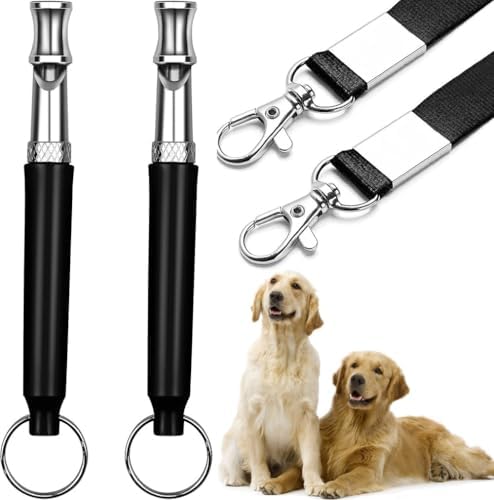
- 【Stop Dog Barking Instantly】Whether it’s your dog or the neighbor’s making noise, this ultrasonic dog whistle helps stop…
- 【Wide Frequency Range for All Dogs】Different dogs respond to different frequencies. This whistle features 3 adjustable c…
- 【Safe and Non-Harmful】Made from food-grade PP material, our dog whistle emits ultrasonic sound that is 100% safe for you…
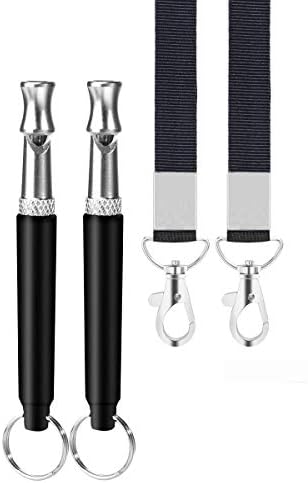
- Adjustable Ultrasonic Frequency for Precise Training Easily adjust the pitch to find the ideal frequency your dog respon…
- Premium Stainless Steel for Durability & Weather Resistance Made of high-grade rustproof stainless steel to withstand da…
- Long Distance Sound Transmission & Silent to Most Humans Delivers clear, stable sound that travels far for off-leash tra…

- 🐶【Safe Dog Whistle to Stop Barking】The ultrasonic dog whistle won’t hurt your dogs’ hearing so you can use silent bark c…
- 🐶【Easy and Multifunctional Dog Training Whistle】Adjustable frequencies of BMHNOONE dog whistle allow you to easily teach…
- 🐶【Anti-loss and Portable】New dual anti loss features with special lock nut & cover with free lanyard.High quality lanyar…
Recognize When to Stop
Your dog will tell you when they are done. Watch for:
- Yawning repeatedly
- Sniffing the ground instead of engaging
- Slow, disinterested responses
- Wandering away
When you see these signals, wrap up with one easy success and end the session. Always leave your dog wanting more.
Special Signals and What They Mean
The Head Tilt 🐶
That adorable head tilt happens when your dog is trying to hear or understand something better. It is a sign of curiosity and engagement. Some dogs tilt their heads when they hear certain words (like “walk” or “treat”).
The Zoomies
Sudden bursts of running in circles, officially called Frenetic Random Activity Periods (FRAPs), are a sign of joy and energy release. Most common after baths, after waking up, or when a dog has been cooped up too long. It is completely normal and usually harmless.
Pawing at You
When your dog puts their paw on you, they are usually seeking attention or affection. It can also be a learned behavior if pawing has been rewarded in the past.
Leaning Against You
A dog that leans their full body weight against you is showing trust and affection. It is a big compliment. 🥰
Showing Their Belly
As mentioned earlier, belly-showing can mean two very different things:
| Relaxed belly show | Stressed belly show |
|---|---|
| Wiggly, loose body | Stiff, tense body |
| Tail wagging loosely | Tail tucked or stiff |
| Soft eyes | Wide eyes, whale eye |
| Inviting touch | Trying to appease a threat |
Always read the full body before reaching in for that belly rub.
Excessive Panting (When Not Hot)
Panting is normal when a dog is hot or has been exercising. But panting when it is cool and calm can signal:
- Stress or anxiety
- Pain
- Excitement
- Nausea
If your dog pants heavily without an obvious reason, check in with your vet.
Sneezing During Play
A sneeze during play is usually a calming signal, the dog is saying “this is still just play, I am not serious.” It is a good sign during rough play.
Common Mistakes People Make When Reading Dog Body Language
Even well-meaning dog lovers make these mistakes. Here is what to watch out for:
Mistake 1: Assuming a Wagging Tail Always Means Happy
As covered earlier, tail position and speed matter enormously. A high, stiff wag can actually signal aggression. Always read the whole body.
Mistake 2: Forcing Greetings
Many people (especially children) rush up to dogs for hugs and face-to-face greetings. Dogs find direct eye contact and hugging threatening or uncomfortable, even from people they love.
Better approach: Turn slightly sideways, crouch down, and let the dog come to you. Scratch under the chin rather than patting the top of the head.
Mistake 3: Punishing Growling
A growl is a warning, not a misbehavior. If you punish growling, you teach your dog to skip the warning and go straight to biting. Instead, figure out what is causing the discomfort and address that.
Mistake 4: Misreading Stress Signals as Stubbornness
When a dog sniffs the ground, yawns, or looks away during training, many owners think the dog is being stubborn or distracted. In reality, the dog is often stressed or confused. Slow down, make the task easier, and reward more generously.
Mistake 5: Projecting Human Emotions
Dogs do not feel guilt the way humans do. That “guilty look”, ears back, head down, avoiding eye contact, is actually a fear response to your tone of voice or body language. The dog is responding to your upset energy, not expressing guilt about what they did.
How to Read Your Dog’s Body Language With Different Breeds
Every dog is an individual, but breed characteristics can affect how body language looks.
Breeds With Docked Tails
Dogs with docked tails (like Rottweilers or some Boxers) have limited tail expression. You have to rely more heavily on body posture, ears, and eyes to understand their emotional state.
Breeds With Heavy Facial Wrinkles
Dogs like Bulldogs or Shar-Peis can be harder to read because their facial wrinkles mask subtle expressions. Focus on posture and tail for these breeds.
Breeds With Floppy Ears
Dogs with naturally floppy ears (Basset Hounds, Cocker Spaniels) cannot perk their ears the same way. Watch for subtle changes in ear position, even a slight shift forward or back carries meaning.
High-Energy Breeds
Some breeds (Border Collies, Jack Russell Terriers) operate at a higher baseline arousal level. What looks “intense” in these dogs may be their normal. Learn your individual dog’s baseline.
Flat-Faced (Brachycephalic) Breeds
Pugs, French Bulldogs, and Boston Terriers have limited facial expressions due to their anatomy. Their panting can also look different. Focus on body posture and tail for these breeds.
Building a Deeper Bond Through Body Language
Understanding your dog’s signals is not just about safety, it is about connection.
When your dog realizes you “get” them, something shifts. They become more confident. They look to you more. They trust you more deeply. That trust is the foundation of everything, training, play, comfort, and love.
Here are some simple daily practices to deepen your bond:
1. Observe before you act. Before approaching your dog, take two seconds to read their body language. Are they relaxed? Tense? Sleepy? Adjust your approach accordingly.
2. Respect their “no.” If your dog turns away, licks their lips, or moves away from something, honor that signal. Do not force interactions.
3. Learn their baseline. Spend time just watching your dog when they are relaxed and happy. That is their “normal.” Any deviation from that baseline is worth noting.
4. Respond, do not react. When your dog shows stress signals, respond calmly and helpfully instead of getting frustrated or anxious yourself. Dogs read our body language too.
5. Celebrate the good moments. When your dog shows happy, relaxed body language, reinforce it with calm praise, gentle petting, or a treat. You are building a positive feedback loop.
💬 “The more you learn to listen to your dog, the more they will ‘talk’ to you.”
Quick Reference: Dog Body Language Cheat Sheet
Here is a handy summary to bookmark and refer back to:
| Signal | What It Usually Means |
|---|---|
| Loose, wiggly body | Happy, friendly |
| Play bow | “Let’s play!” |
| Tail tucked | Fear or submission |
| Tail high and stiff | Alert, possibly aggressive |
| Ears pinned flat | Fear or submission |
| Ears perked forward | Alert, curious |
| Whale eye | Stress, discomfort |
| Soft, squinty eyes | Relaxed, happy |
| Hard stare | Challenge or threat |
| Yawning (not tired) | Stress signal |
| Lip licking (not near food) | Stress signal |
| Growling | Warning, back off |
| Raised hackles | Arousal (fear, excitement, or aggression) |
| Belly up (relaxed) | Trust, wants belly rub |
| Belly up (tense) | Appeasement, fear |
| Sneezing during play | “Still just playing!” |
| Leaning against you | Affection, trust |
Conclusion: Start Listening to Your Dog Today
Learning how to read your dog’s body language is one of the best gifts you can give both yourself and your dog. It takes practice, patience, and a genuine curiosity about your dog’s inner world. But the rewards are enormous.
Start small. Pick one signal, maybe the tail position, and focus on it for a week. Then add ears. Then eyes. Before long, reading your dog will feel as natural as reading a friend’s expression.
Here are your actionable next steps:
- ✅ Watch your dog for 10 minutes today with fresh eyes, just observe, no interaction. What do you notice?
- ✅ Learn your dog’s baseline, what does “normal and relaxed” look like for your specific dog?
- ✅ Practice reading during training, use a Training Clicker and keep Dog Training Treats in a Treat Pouch to reward good moments precisely and quickly.
- ✅ Respect stress signals, when your dog yawns, lip-licks, or turns away, honor that and give them space.
- ✅ Share what you learn, teach kids and visitors the basics so everyone in your dog’s life communicates better with them.
Your dog has been trying to talk to you all along. Now you have the tools to truly listen. 🐾❤️