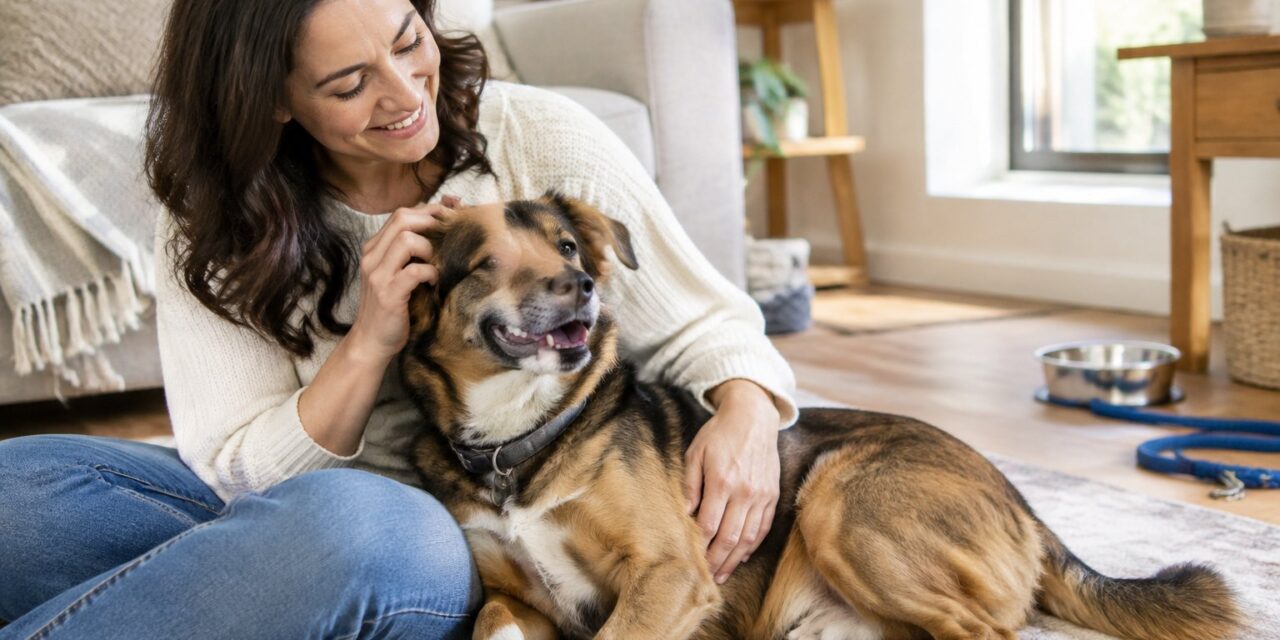
A dog curling up next to you on the couch, or leaning into your hand during a scratch, says something real about how that dog experiences life with you. These small moments reflect comfort and security, built over time through consistent, attentive care.


A dog that chooses to rest near you, checks your face when something feels uncertain, and accepts gentle touch without tensing up is showing signs consistent with trust, according to veterinary behavior resources. None of these behaviors on their own proves you’re doing everything right, and no dog owes you these displays to be loved or cared for well. Some dogs are naturally more reserved, some carry past experiences that shape how they show affection, and some have health conditions that change their body language entirely.
This matters for owners whose dogs are quieter or less openly affectionate. Trust doesn’t always look like a wagging tail and a face full of kisses. Sometimes it looks like a dog who simply doesn’t bother moving away when you sit down next to them.
Does Your Dog Feel Safe Relaxing Beside You?
A dog who relaxes near you, with loose muscles and an easy posture, is likely comfortable in your presence. This kind of physical ease is one of the clearer signals behaviorists look for when assessing how safe a dog feels in their environment, as noted by a pet behavioral scientist.
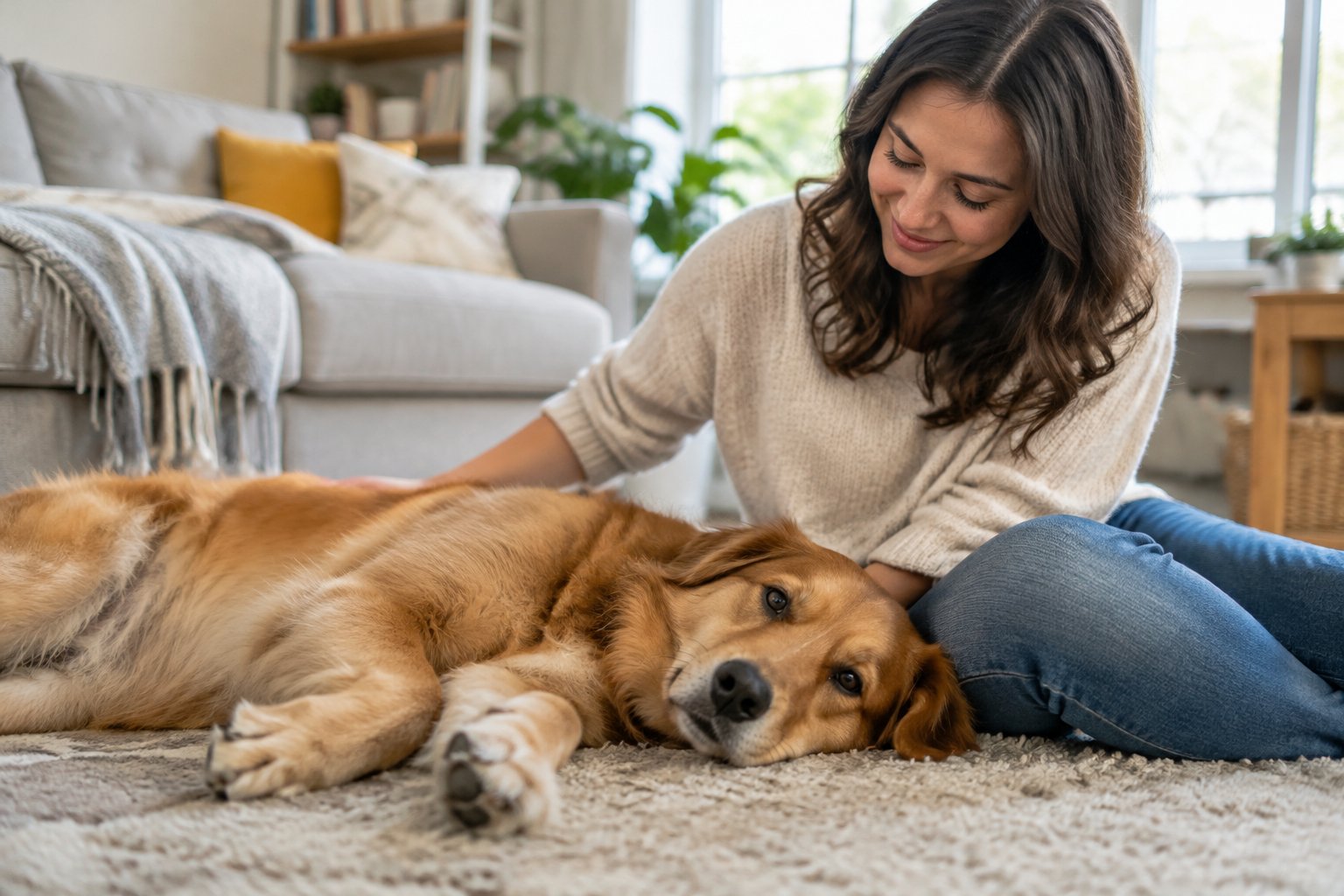
Choosing to Rest or Sleep Near You
Dogs that pick a spot close to you, instead of retreating to another room, are often showing a preference for your company. This is a voluntary choice, which makes it meaningful. A dog that feels unsettled tends to seek distance, not closeness.
Turning Their Back While Staying Loose and Relaxed
A dog who turns away from you but keeps a soft, loose body is displaying a different kind of confidence than a dog who is simply distracted. Turning your back on something is vulnerable. Dogs rarely do it around things or people that worry them.
Recognizing Soft Eyes and Comfortable Body Language
Soft eyes, a relaxed mouth, and loose shoulders point to a dog at ease. A long exhale or sigh while settling down often signals contentment, and dogs frequently do this right before falling asleep, according to signs of comfort described by iHeartDogs. Stiff posture, a tucked tail, or a closed mouth tell a different story, even if the dog isn’t moving away.
Does Your Dog Look to You When Something Feels Uncertain?
A dog that checks your expression before reacting to something new is likely using you as a source of information, a behavior researchers call social referencing. This isn’t about obedience. It’s closer to a child glancing at a parent before deciding whether a new situation is safe.

Checking Your Face Before Responding to Something New
In a frequently cited 2012 study published in PLOS ONE, adult dogs encountered an unfamiliar, slightly unsettling object while their owner or a stranger reacted with either a positive or negative tone. The dogs adjusted their own behavior based on the emotional cues they received, which suggests dogs genuinely read human expressions as part of their decision-making process in uncertain moments.
This doesn’t mean a dog needs you to approve of every leaf blowing across the yard. It means that in genuinely new or ambiguous situations, a glance back at you can be a dog gathering information, not asking permission.
Seeking Reassurance Without Being Forced Closer
A dog that moves toward you on its own after something startling happens is showing a different pattern than one that’s picked up and held against its will. The difference is choice. A dog that approaches freely, sniffs your hand, or leans lightly against your leg is doing so because it wants proximity, not because it has no other option.
How Do Dogs Invite Play and Affection?
Dogs invite connection through specific, recognizable gestures: dropping a toy at your feet, leaning into physical contact, or using their mouth gently during play. Each of these carries a different meaning depending on the context around it.
Bringing a toy to a person is widely viewed as a form of social invitation rather than a simple request to play fetch. Dogs don’t hand over a favorite toy to just anyone, and the gesture often comes packaged with a soft, wiggly body and an expectant pause, which iHeartDogs describes as an offering, not just a request.
Bringing You a Toy or Inviting You to Play
A play bow, toy drop, or exaggerated bounce toward you are all invitations. These gestures typically come with loose, bouncy movement, which separates genuine play invitations from anxious or defensive behavior.
Choosing Gentle Physical Contact
Leaning against your leg, resting a head on your lap, or nudging your hand for more petting are all signs a dog is seeking contact on its own terms. The key detail is that the dog initiates it. Contact that a dog tolerates is different from contact a dog actively seeks out.
What Gentle Nibbling Can Mean in Context
Soft, controlled mouthing during play can be a normal part of how some dogs interact, especially with people they know well. Context matters here: a relaxed body, a wagging tail, and a soft mouth point to play, while stiffening, growling, or a hard stare change the meaning entirely. Dogs showing signs of stress while mouthing need space, not encouragement to continue.
Can These Behaviors Prove You Are a Good Owner?
These behaviors are useful signals, not a scorecard. A dog that doesn’t sleep pressed against you or doesn’t bring toys over isn’t necessarily less bonded to you, and treating these signs as a checklist can create unnecessary worry for owners whose dogs express comfort differently.
Why No Single Behavior Proves Trust or Good Care
One relaxed nap or one toy drop doesn’t confirm a deep bond, and one missed display doesn’t suggest a weak one. Trust shows up as a pattern across many small moments, not a single dramatic gesture.
How Personality, Health, and Past Experiences Affect Affection
A dog’s breed, individual temperament, and history all shape how affection gets expressed. A dog adopted from a difficult situation may take longer to show the kind of open body language a lifelong family pet shows at six months old. Pain or illness can also mute normal affectionate behavior, even toward a trusted owner.
When Clinginess, Freezing, or Mouthing May Signal Discomfort
Constant shadowing, freezing in place, or mouthing that escalates can sometimes point to anxiety rather than affection. A dog that won’t settle unless physically touching you at all times, or one that goes still and quiet under stress, may be coping with discomfort instead of expressing contentment. These patterns are worth mentioning to a veterinarian or a qualified trainer, especially if they appear suddenly.
How Can You Build Your Dog’s Trust Every Day?
Trust builds through predictable routines, choices your dog gets to make, and care that responds to their actual needs. None of this requires special equipment or a dramatic gesture; it comes from showing up the same way, day after day.
Keep Care Predictable and Use Reward-Based Training
Feeding, walks, and training sessions that happen on a consistent schedule help a dog feel secure, since dogs thrive on predictability and a steady routine reduces anxiety over time. Reward-based training, where good choices earn treats or praise instead of corrections, also builds a clearer and calmer line of communication between you and your dog.
Respect Your Dog’s Choice to Approach or Move Away
Letting a dog choose whether to come closer, rather than reaching for them or picking them up uninvited, respects their autonomy. A dog that can walk away and knows that walking away is allowed tends to approach more freely later, because the interaction isn’t forced.
Meet Their Physical Needs and Seek Help for Sudden Changes
Regular exercise, mental stimulation, and prompt veterinary care all support a dog’s sense of security. A sudden shift in behavior, like new clinginess, avoidance, or irritability, is worth a veterinary visit, since physical discomfort often shows up first as a behavior change rather than an obvious symptom.
Trust Grows Through Consistent, Respectful Care
A dog that rests near you, checks in during uncertain moments, and seeks out gentle contact is showing signs that align with comfort and security in your presence. These signals are worth noticing, but they aren’t a certificate of good ownership, and their absence isn’t a mark against you either.
Every dog carries its own temperament, history, and health status into how it expresses affection. A quieter dog can be just as bonded as an openly affectionate one.
The most reliable way to support that bond is through predictable routines, reward-based training, and attentiveness to changes in behavior or health. Consistency, patience, and respect for a dog’s choices build trust steadily, long before any single gesture confirms it.