Here’s a fun mix-up: “chow chow” is also the name of a spicy vegetable relish popular in Southern and Caribbean cooking. So when someone types “can dogs eat chow chow” into Google, they might mean the relish, or they might mean the fluffy, lion-maned dog breed. Both questions matter, and this guide answers both. We’ll cover whether that jar of relish is safe for your pup, plus everything you need to know if you’re considering a Chow Chow as your next furry family member.

Let’s clear up the confusion and dig into the real paw-some details. 🐾
Key Takeaways
- Chow-chow relish is generally not toxic, but onions, garlic, and high sodium levels in many recipes make it risky for dogs.
- Chow Chow dogs are independent, cat-like, and aloof, not your typical cuddly companion.
- They need experienced owners who understand early socialization and firm, gentle leadership.
- Their thick double coat demands serious grooming commitment, especially in warm climates.
- Chow Chows face real health risks, including hip dysplasia, eye disorders, and autoimmune conditions, which can drive up lifetime vet costs.
Can Dogs Eat Chow Chow Relish? The Food Question Answered
If your dog snuck a bite of chow-chow relish off the counter, don’t panic, but don’t make it a habit either. Traditional chow-chow relish is a tangy blend of chopped cabbage, green tomatoes, peppers, onions, and vinegar, often loaded with sugar and salt.
The real danger ingredients are onions and garlic. Both are toxic to dogs and can damage red blood cells, even in small amounts [1]. Many chow-chow recipes also pack in heavy salt and sugar, which aren’t great for canine digestion.
Bottom line: A tiny lick probably won’t hurt. But intentionally feeding your dog chow-chow relish is a no-go. Stick to dog-safe treats instead, and always double-check ingredient lists before sharing human food.
Can Dogs Eat Chow Chow? What Owners Need to Know About Temperament, Grooming, and Health of the Breed
Now let’s talk about the other Chow Chow, the fluffy, bear-like dog breed with the famous blue-black tongue. This is where things get really interesting for prospective owners.
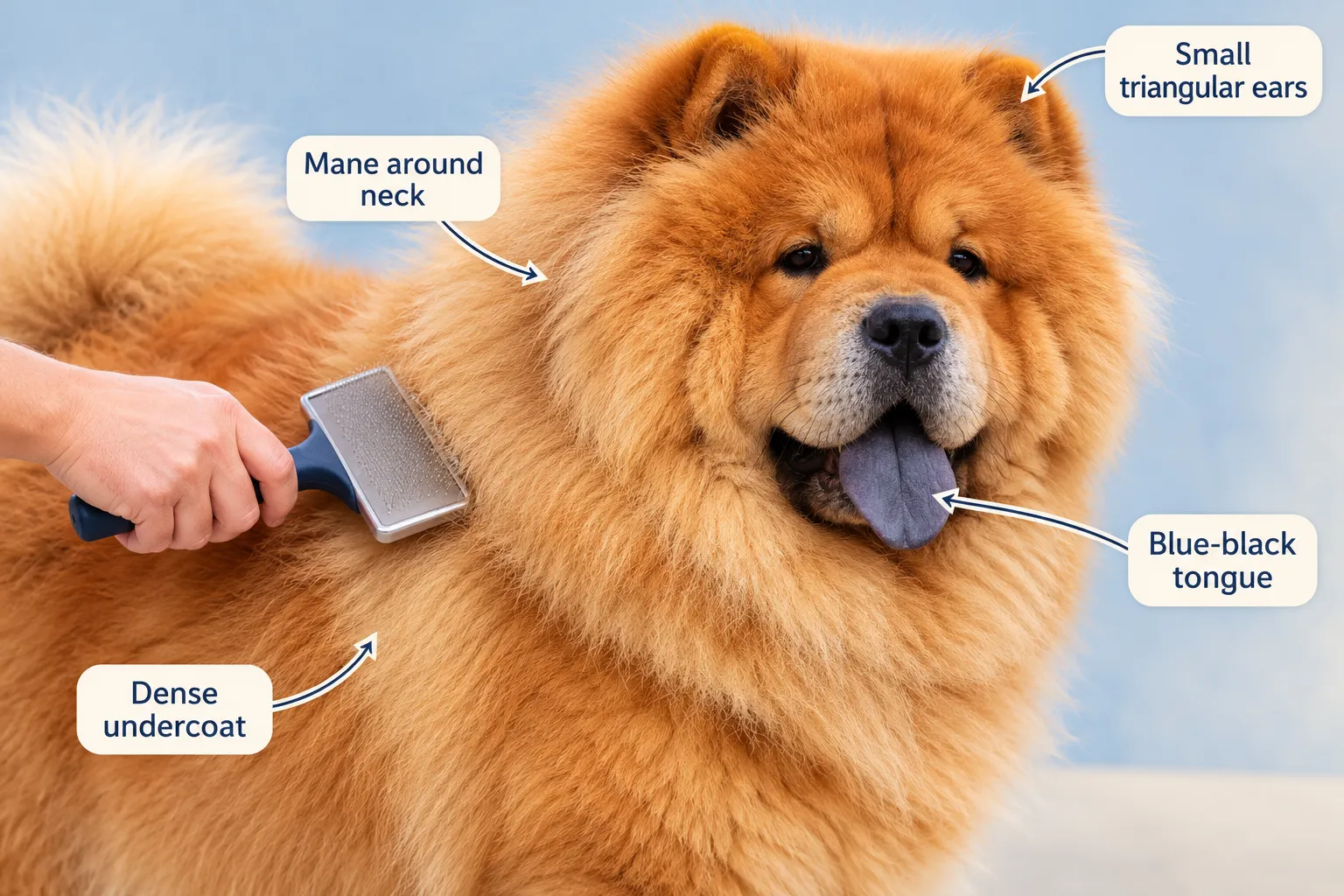
Chow Chows are often described as “cat-like.” That’s not a cute exaggeration, it’s accurate. These dogs are fiercely independent, reserved with strangers, and not big on cuddles [2]. They bond deeply with their chosen person but may keep everyone else at a polite distance.
Temperament: Dignified, Not Cuddly
Chow Chows were originally bred in China for guarding, hunting, and pulling, jobs that required confidence and self-reliance, not neediness [1]. That history still shows up in modern Chow Chow personalities:
- Aloof with strangers, they won’t greet every visitor like a golden retriever would
- Loyal to their family, but in a quiet, watchful way
- Low tolerance for rough handling, kids need to be taught gentle respect
- Territorial instincts, many Chow Chows take guarding seriously
“Chow Chows don’t ask for your approval. They give loyalty on their own terms.” That’s the honest truth about this breed’s personality [3].
Aggression Risk and Socialization Needs
Here’s the important part: Chow Chows carry a documented aggression risk if they’re not properly socialized early and consistently [4]. This isn’t a breed you can skip training with and hope for the best.
What proactive socialization looks like:
- Exposing puppies to new people, sounds, and environments before 16 weeks
- Positive, reward-based training, never harsh corrections
- Supervised interactions with children and other pets
- Ongoing exposure throughout adulthood, not just puppyhood
Owners who’ve succeeded with independent, strong-willed breeds often find value in training philosophies similar to those used for the Shiba Inu, another breed known for feline-like independence. If you’re new to dog ownership, this probably isn’t the best starter breed, check out guides on best dogs for beginners for gentler options first.
Grooming: The Coat That Demands Commitment
If you love the Chow Chow’s fluffy lion mane, you need to love brushing too. This breed’s coat isn’t just for show, it’s a genuine grooming project.
Coat Type and Shedding
Chow Chows have a double coat: a rough, straight outer layer and a dense, woolly undercoat [5]. This combination gives them that iconic puffy appearance but also means:
- Heavy, seasonal “coat blow” shedding twice a year
- Year-round moderate shedding in between
- A real risk of matting if brushing is skipped
Grooming checklist for Chow Chow owners:
| Task | Frequency |
|---|---|
| Brushing | 3-4 times per week minimum |
| Bathing | Every 4-6 weeks |
| Ear cleaning | Weekly check |
| Nail trimming | Every 3-4 weeks |
| Professional grooming | Every 6-8 weeks |
Heat Sensitivity and Climate
That thick double coat was built for cold climates, not sweltering summers. Chow Chows are prone to overheating in hot, humid weather [6]. Owners in warm regions need to:
- Provide constant access to shade and water
- Avoid exercise during peak heat hours
- Watch for excessive panting or lethargy
- Consider cooling mats or indoor AC time
Skin issues often connect directly to coat care. Poor grooming traps moisture against the skin, leading to hot spots and irritation, one more reason brushing isn’t optional with this breed.
Health Issues Every Chow Chow Owner Should Know
This is the section that deserves your full attention. Chow Chows are, unfortunately, predisposed to several serious health conditions, and recent data paints a clear picture of what owners should expect.

Orthopedic Problems
Hip and elbow dysplasia show up frequently in this breed. OFA data tracking hip and joint health has documented elevated dysplasia rates in Chow Chows compared to many other breeds [6][7]. Signs to watch for include:
- Stiffness after rest
- Reluctance to jump or climb stairs
- Visible limping, especially in rear legs
Eye Conditions
Chow Chows are prone to entropion, a condition where the eyelid rolls inward and irritates the eye [7][8]. Left untreated, this can cause chronic discomfort and corneal damage. Many Chow Chows require surgical correction early in life.
Autoimmune and Thyroid Disorders
VetCompass research and breed-specific health data have flagged Chow Chows for elevated rates of autoimmune conditions, including thyroid dysfunction [4][6]. Regular bloodwork helps catch these issues before they become serious.
The Financial Reality
Here’s the part many prospective owners overlook: these health predispositions add up. As of late 2026, Chow Chows rank among breeds with higher-than-average lifetime veterinary costs, driven by orthopedic surgeries, eye procedures, and ongoing management of chronic conditions [4][9]. Pet insurance and an emergency vet fund aren’t optional extras, they’re essentials.
Daily Care, Feeding, and Exercise
Chow Chows aren’t high-energy athletes, but they still need structure.
Exercise needs:
- Moderate daily walks (20-30 minutes, twice a day)
- Mental stimulation through puzzle toys
- Caution with intense exercise in heat
Feeding patterns:
- Two measured meals per day works well for most adults
- Weight management matters, excess pounds stress already vulnerable joints
- High-quality food supporting joint and skin health is worth the investment
Owners researching structured feeding routines for large or sturdy breeds might find useful parallels in guides like feeding schedules for Cane Corso dogs, which emphasize consistency and portion control.
Is a Chow Chow Right for Your Home?
Before falling for those adorable puffy cheeks, be honest about your lifestyle.
Chow Chows tend to thrive with:
- Experienced dog owners who understand independent breeds
- Households without very young children (or older kids who respect boundaries)
- Owners committed to a consistent grooming schedule
- Moderate climates or homes with reliable air conditioning
Chow Chows may struggle in:
- First-time owner households
- Multi-dog homes without careful introductions
- Very hot regions without climate control
- Busy households that can’t commit to daily brushing
If you’re drawn to independent, dignified dogs but want to compare options, breeds featured in companion dogs collections or best lap dogs lists might offer a different kind of connection. And if allergies are a concern in your home, know that the Chow Chow’s heavy shedding makes it a poor fit, check best dogs for allergies for better-suited breeds.
Expert Outlook: Trends Heading Into Late 2026
Breed-specific health screening has become more accessible, and more breeders are using OFA hip, elbow, and eye certifications before breeding [6][7]. This is a genuinely positive trend for the breed’s future. Veterinary professionals increasingly recommend:
- Early and ongoing socialization programs tailored to independent breeds
- Routine thyroid and autoimmune screening starting in early adulthood
- Climate-conscious care plans, especially as summers trend hotter
- Insurance enrollment while dogs are young and healthy, before conditions develop
This shift reflects a broader movement in responsible ownership, treating dogs not as property, but as family members deserving proactive, preventive care.
Conclusion: Your Next Steps
Whether you landed here wondering about a relish jar or a real-life Chow Chow puppy, here’s the tail-wagging truth: both deserve careful consideration before they enter your dog’s life.
If it’s the food: Skip sharing chow-chow relish with your pup. Onions, garlic, and heavy seasoning just aren’t worth the risk.
If it’s the breed: Chow Chows are loyal, dignified, and undeniably beautiful, but they’re not a low-maintenance choice. They need experienced owners, committed grooming routines, and proactive health monitoring.
Your action plan:
- Talk to a vet about breed-specific health screening before adopting
- Research reputable breeders who provide OFA health clearances
- Build a grooming routine before bringing your Chow Chow home
- Set aside budget (or get pet insurance) for potential orthopedic and eye care
Every dog, fluffy, independent, or otherwise, deserves a home that understands exactly what they need to thrive. Do your research, and you’ll be ready to give a Chow Chow the paw-some life they deserve.
References
- Chow Chow. britannica.com.
- Chow Chow. livingwithchowchows.com.
- Personality. atlas.vetexplains.com.
- Chow Chow. breedrisk.com.
- Chow Chow. worlddeer.org.
- Health. dogfluence.com.
- Chow Chow Health Issues. insuranceopedia.com.
- Chow Chow. petmd.com.
- Chow Chow. realvetcost.com.
chow chow dog breed, chow chow relish, dog food safety, chow chow temperament, chow chow grooming, chow chow health issues, double coat dogs, hip dysplasia dogs, independent dog breeds, dog breed guide, pet insurance costs, canine socialization