Training a Pitbull can be a rewarding experience, but it takes patience and smart strategies to get the best results. Your dog wants to learn and please you, but knowing the right tricks can make the process smoother and more enjoyable for both of you.

These 15 genius training hacks will help you teach your Pitbull good behavior while saving time and effort. With the right approach, your dog can become calm, well-behaved, and happy in any situation.
1) Start leash training early to control your strong Pitbull outdoors
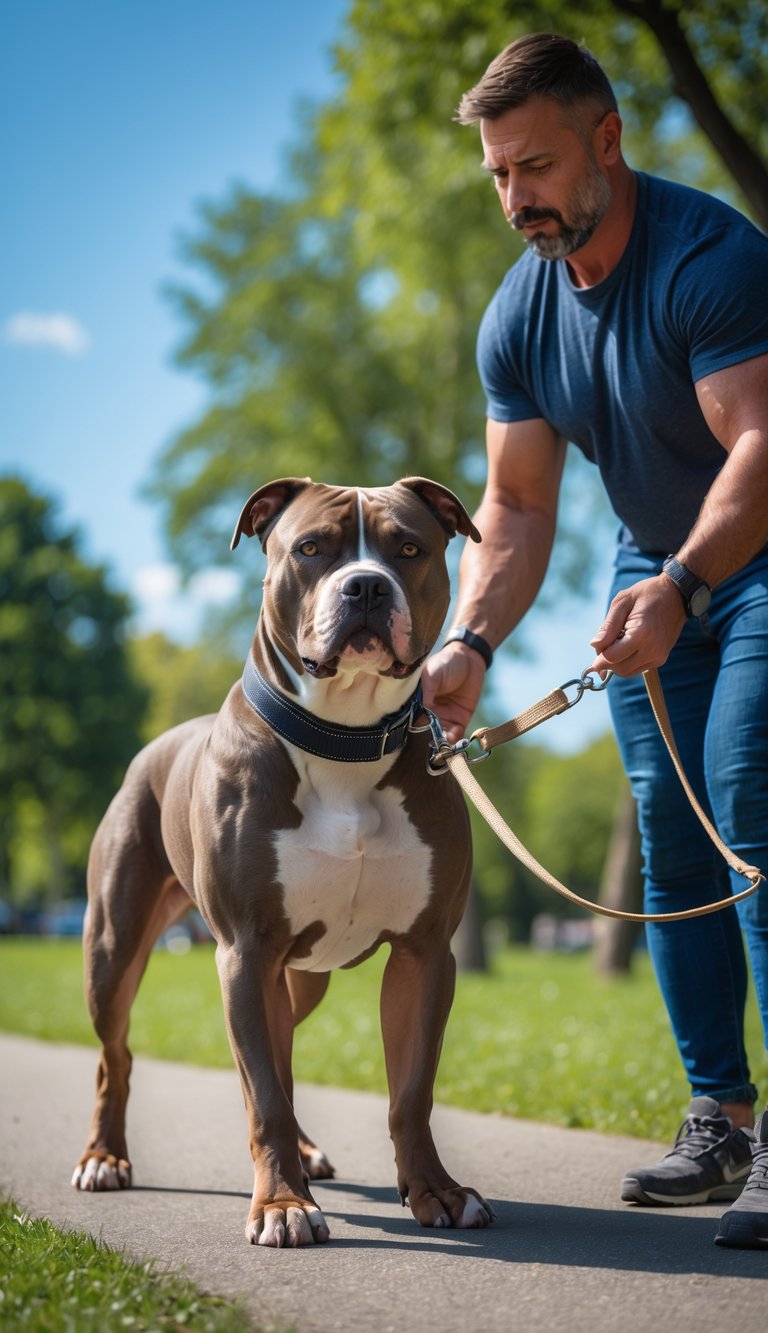
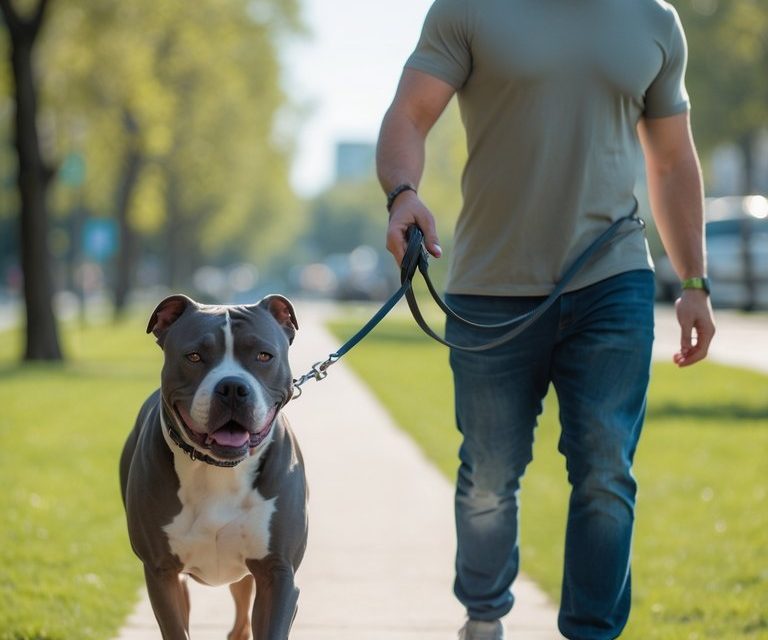
Your Pitbull is strong, so teaching leash manners early is important. Begin training in a quiet, distraction-free area. This helps your dog focus on you.
When your Pitbull pulls, stop walking right away. Stay still until the leash is loose again. This simple step shows your dog that pulling won’t get them anywhere.
Use treats or praise when your dog walks calmly by your side. Rewarding good behavior helps your Pitbull learn faster and enjoy leash time with you.
Starting early sets the tone for good outdoor behavior as your Pitbull grows. This way, walks become safer and more enjoyable for both of you.
2) Use positive reinforcement with treats and praise to encourage good behavior
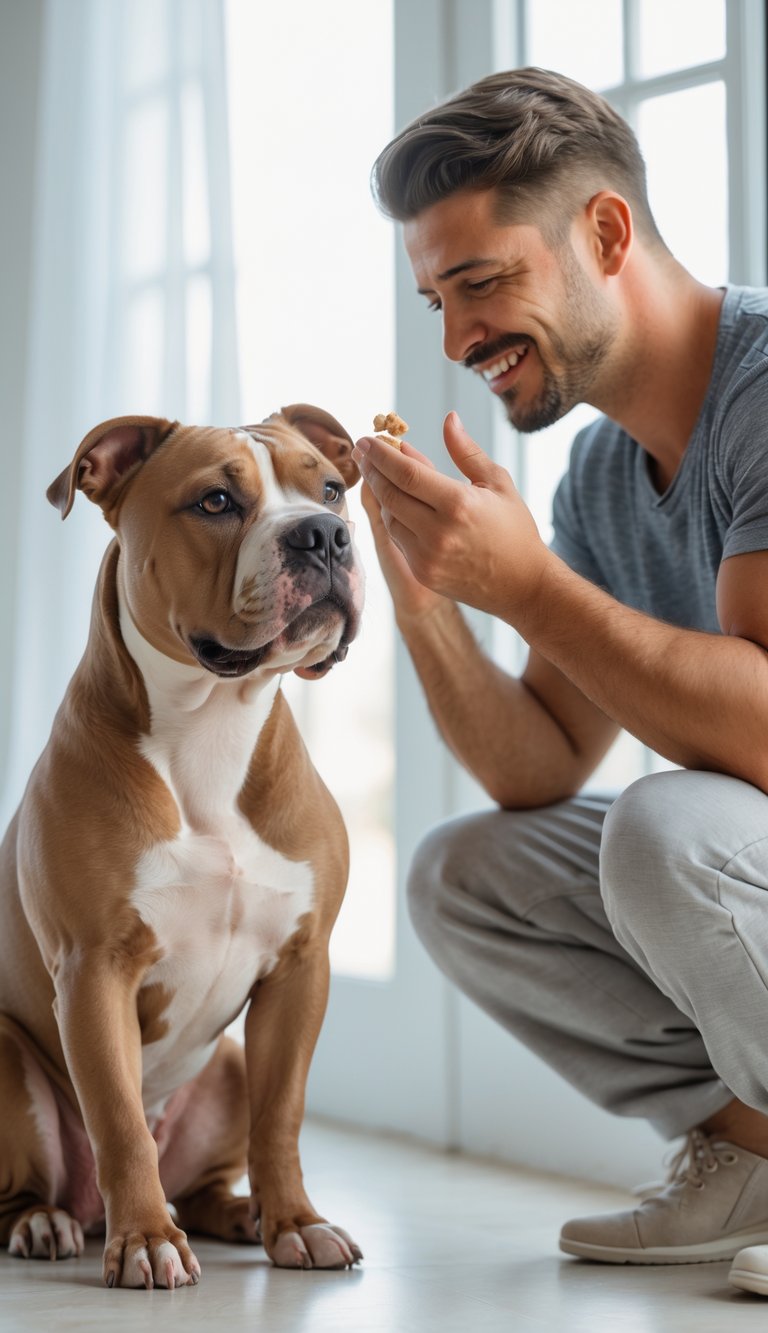
You can train your Pitbull better by rewarding the good things they do. When your dog listens or follows a command, give them a treat or say something nice. This helps your dog connect the good behavior with a reward.
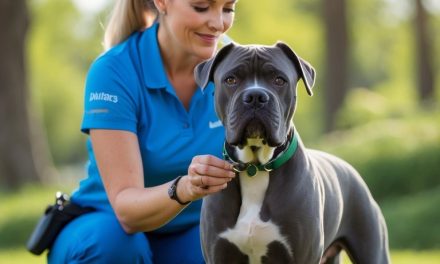
Treats should be small and easy to eat quickly. Use treats your Pitbull really likes to keep them interested during training.
Don’t forget to praise your dog with kind words or petting. Sometimes your voice and touch mean as much as treats. Be consistent by always rewarding good actions and ignoring bad ones. This makes learning clearer and faster for your dog.
3) Teach a rock-solid recall cue for safety and reliable response
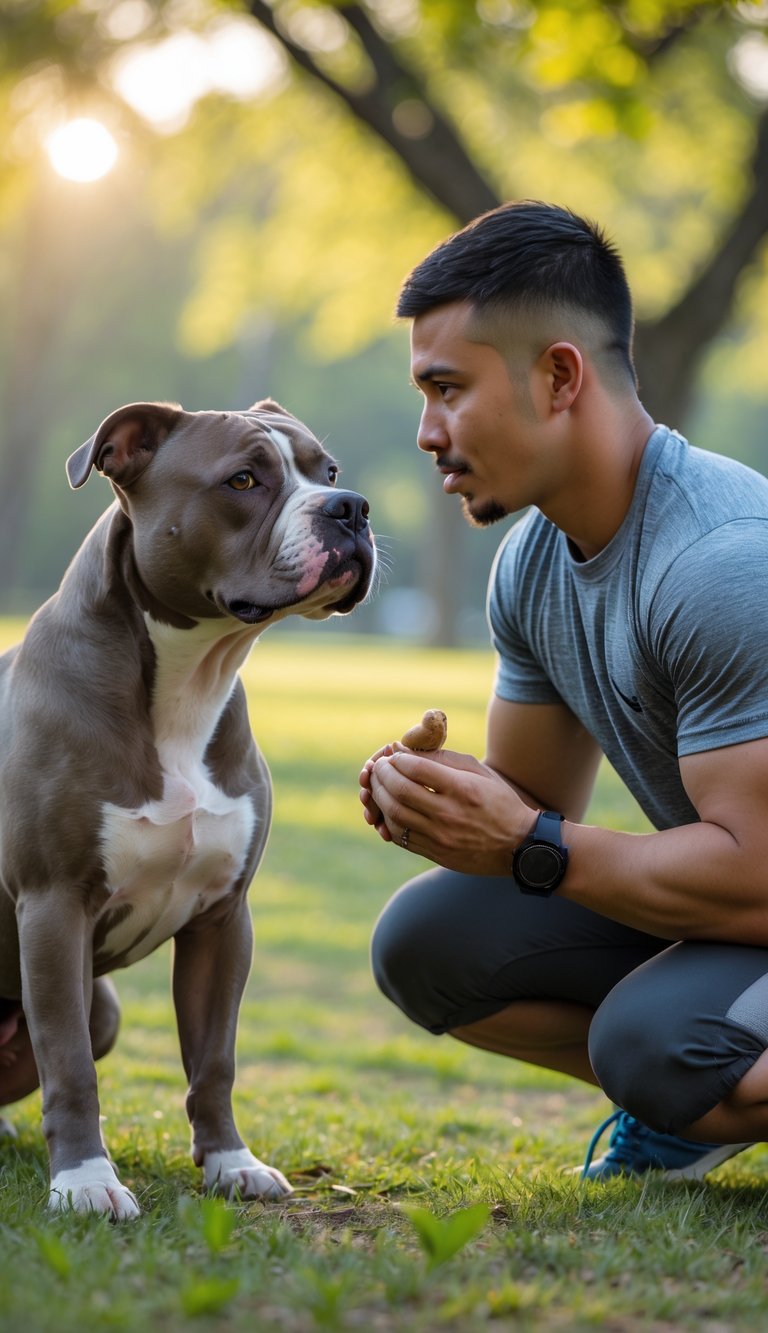
You want your pitbull to come to you every time you call. This skill can keep them safe in many situations. Start training indoors where there are fewer distractions.
Use lots of praise and tasty treats when your dog responds. Make coming to you the best thing they can do. Keep training sessions short and fun to keep your dog interested.
Once your dog is reliable inside, practice outside. Increase the distance and add distractions slowly. Ask friends to help by calling your dog from different spots.
Never call your dog to punish them. Always make coming to you a happy event. This will build trust and a strong recall you can count on.
4) Create individual “zones” during multi-dog training to reduce tension
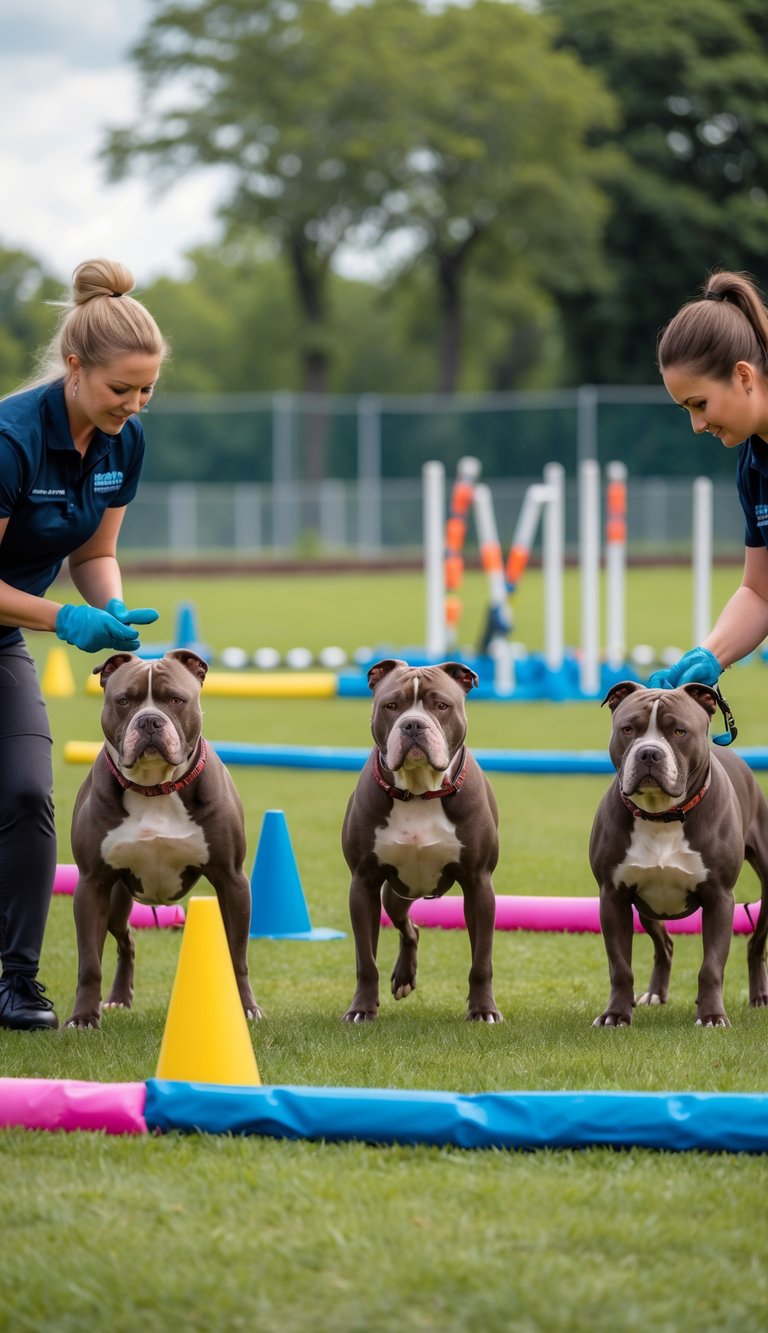
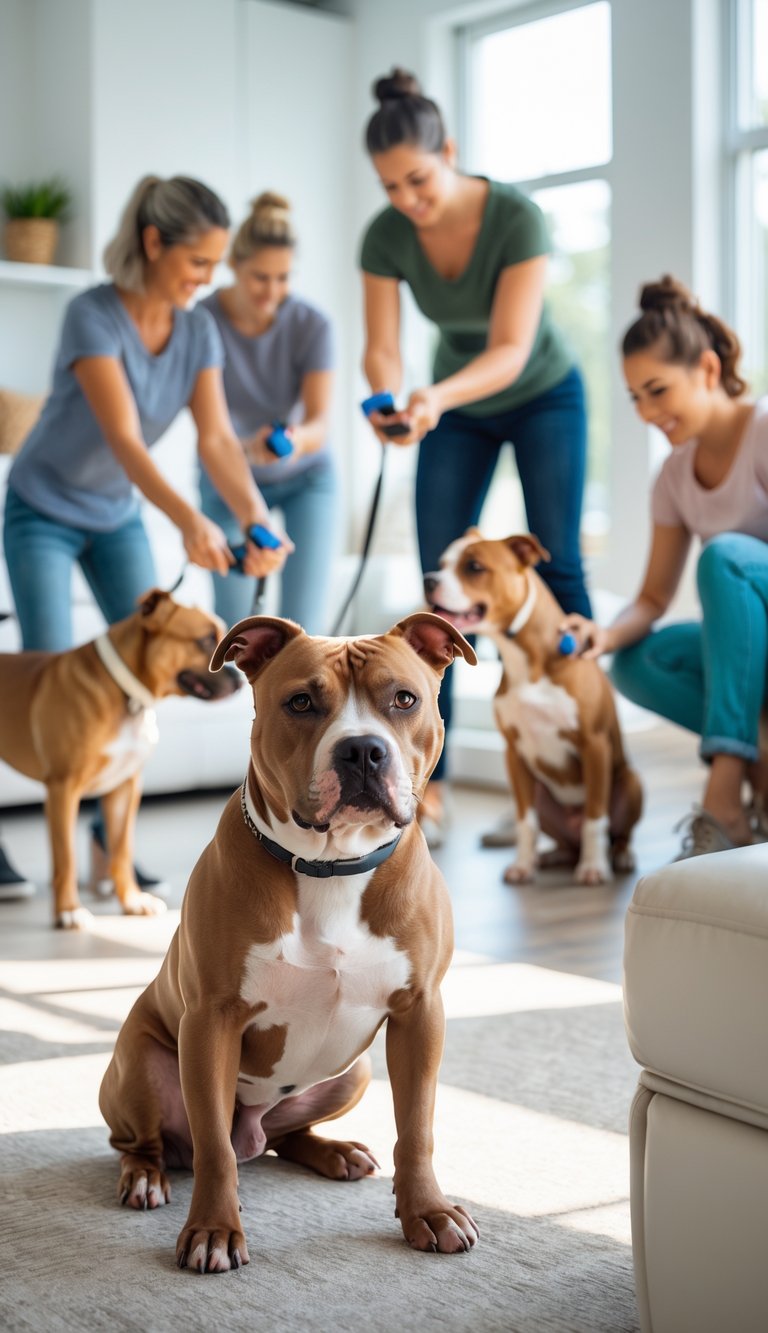
When you train more than one dog, it’s smart to create separate zones for each. This helps keep things calm and stops your pitbulls from feeling stressed or competitive. You can use mats, crates, or marked areas as their personal spaces.
Each zone lets your dogs focus on training without distractions from each other. It also helps prevent fights or overexcitement. Make sure each zone feels safe and comfortable for your pitbull.
Introducing scent swapping or calm signals before training can help your dogs get used to each other. This makes it easier to keep peace while working on commands or tricks together. Your patience will pay off!
5) Focus on calm and polite behavior around other dogs
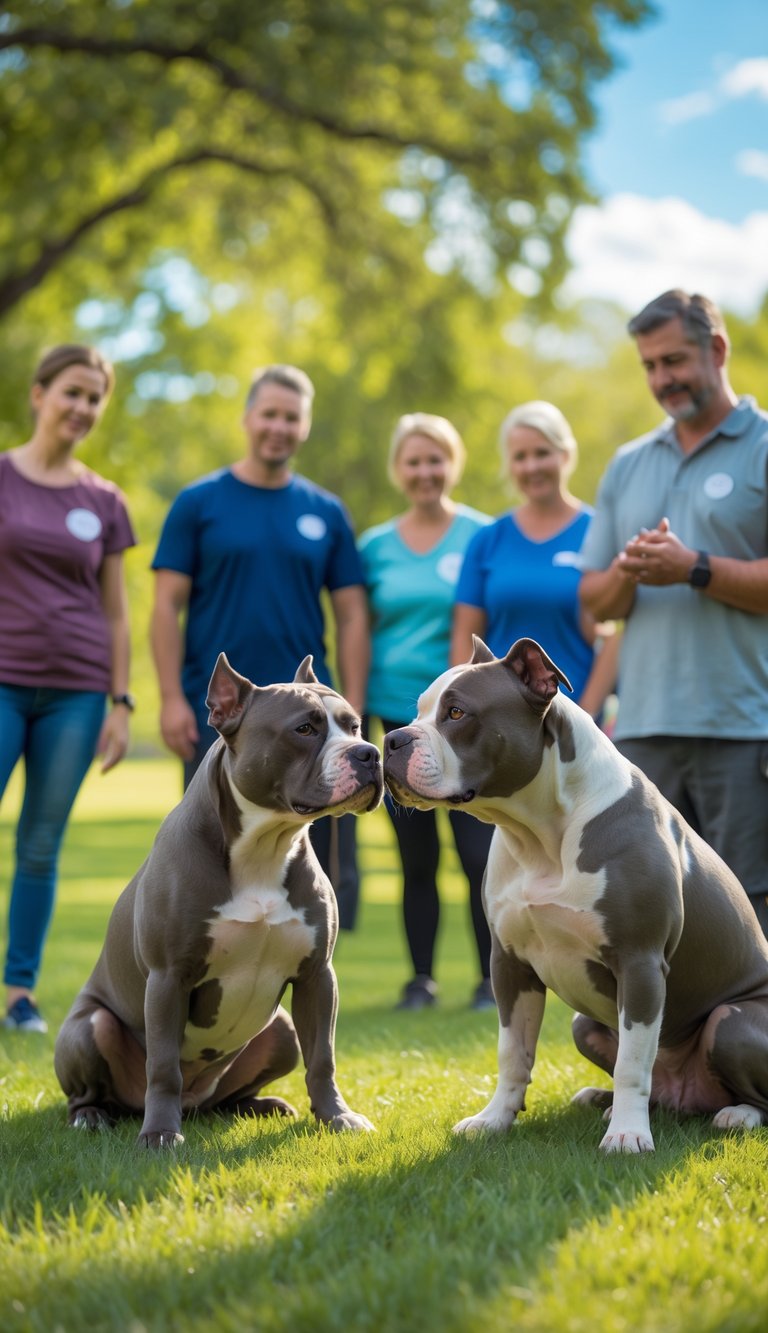
You want your Pitbull to stay calm when meeting other dogs. Teaching commands like “sit-stay” can help your dog remain composed. This control prevents your Pitbull from rushing or acting overly excited.
Introduce your dog to new dogs slowly and in a low-stress way. This helps your Pitbull get used to other dogs without feeling threatened.
When your dog starts to get too excited, gently guide their attention back to you. Staying calm yourself will help your dog feel relaxed and follow your lead.
Polite behavior keeps your Pitbull safe and makes walks and visits with other dogs much easier for you and everyone around.
6) Use a mat or place command to give your Pitbull a designated resting spot
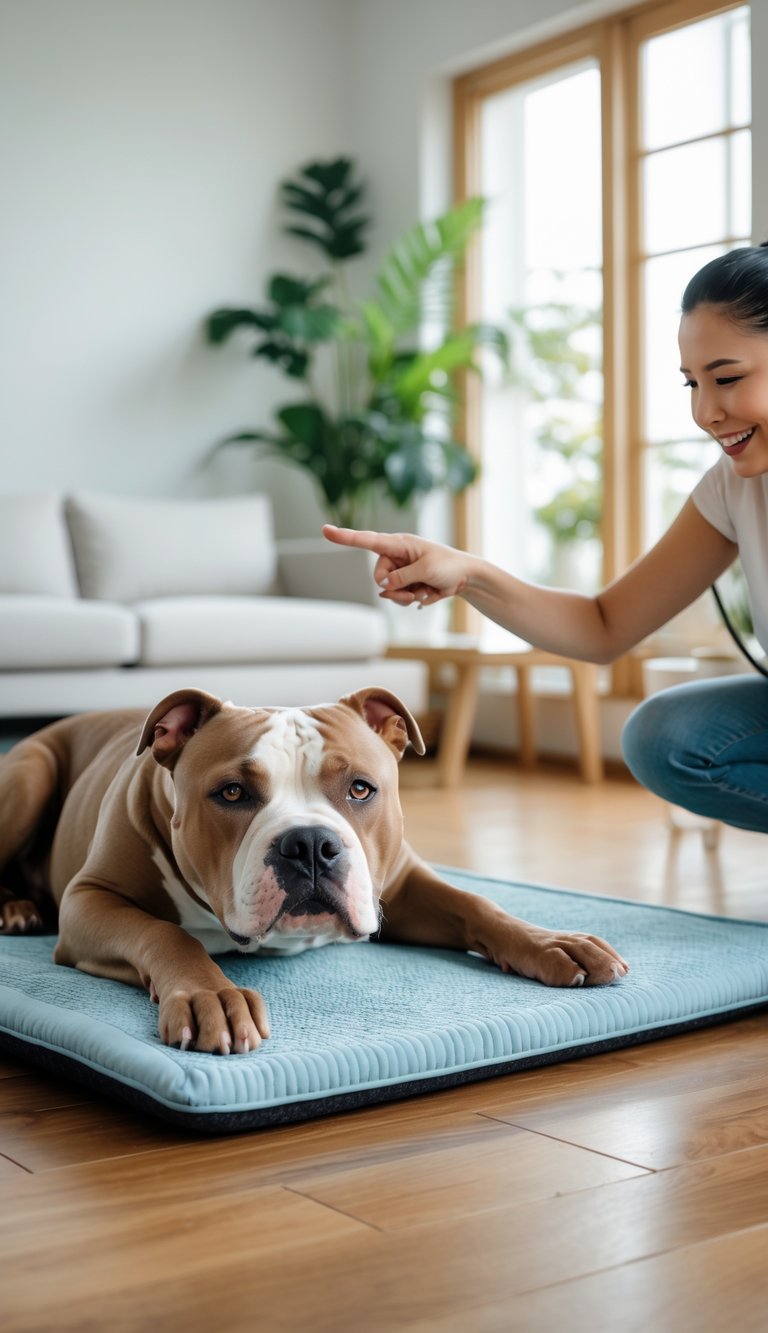
You can teach your Pitbull to go to a specific mat or spot on command. This gives your dog a clear, safe place to relax. Start by picking a small mat or bed and choosing a word like “Place.”
Lead your dog to the mat and reward them when all four paws are on it. Use treats or praise to encourage them at first. Practice this often, especially before meals or when guests arrive.
With time, your Pitbull will learn to stay on their spot until you release them. This helps reduce jumping and makes your home calmer. It’s a simple way to build good manners and give your dog a cozy place they can call their own.
7) Avoid daily over-exercising to keep training sessions positive and focused
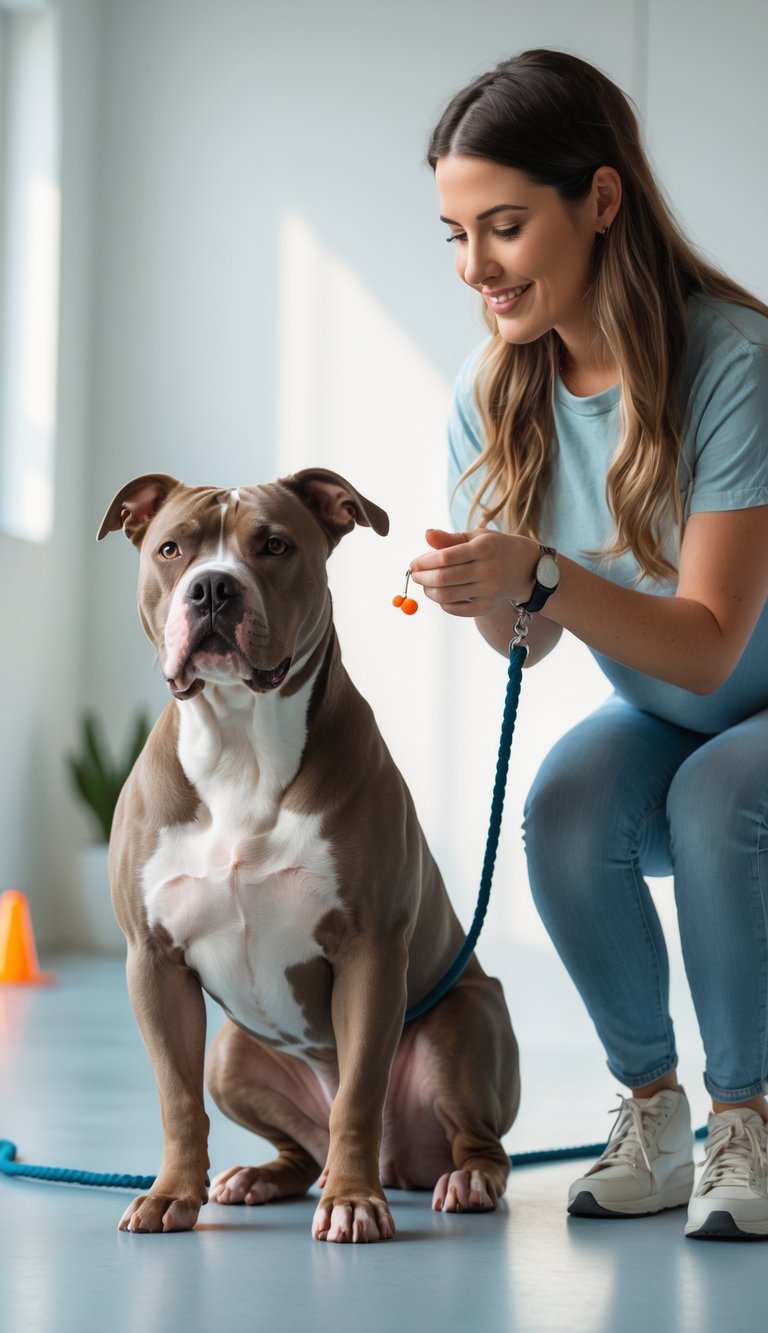
If you work your Pitbull too much every day, they can get tired or stressed. This can make training harder and less fun for both of you. Aim to give your dog rest days to recover and stay excited.
Keep training sessions short, around 30 to 60 minutes, to avoid wearing your dog out. Overdoing it can lead to frustration and slow progress.
Try mixing active days with lighter activities or breaks. This helps your Pitbull stay energetic and ready to learn. Remember, a happy and rested dog learns better.
8) Train bite inhibition to reduce natural aggressive tendencies
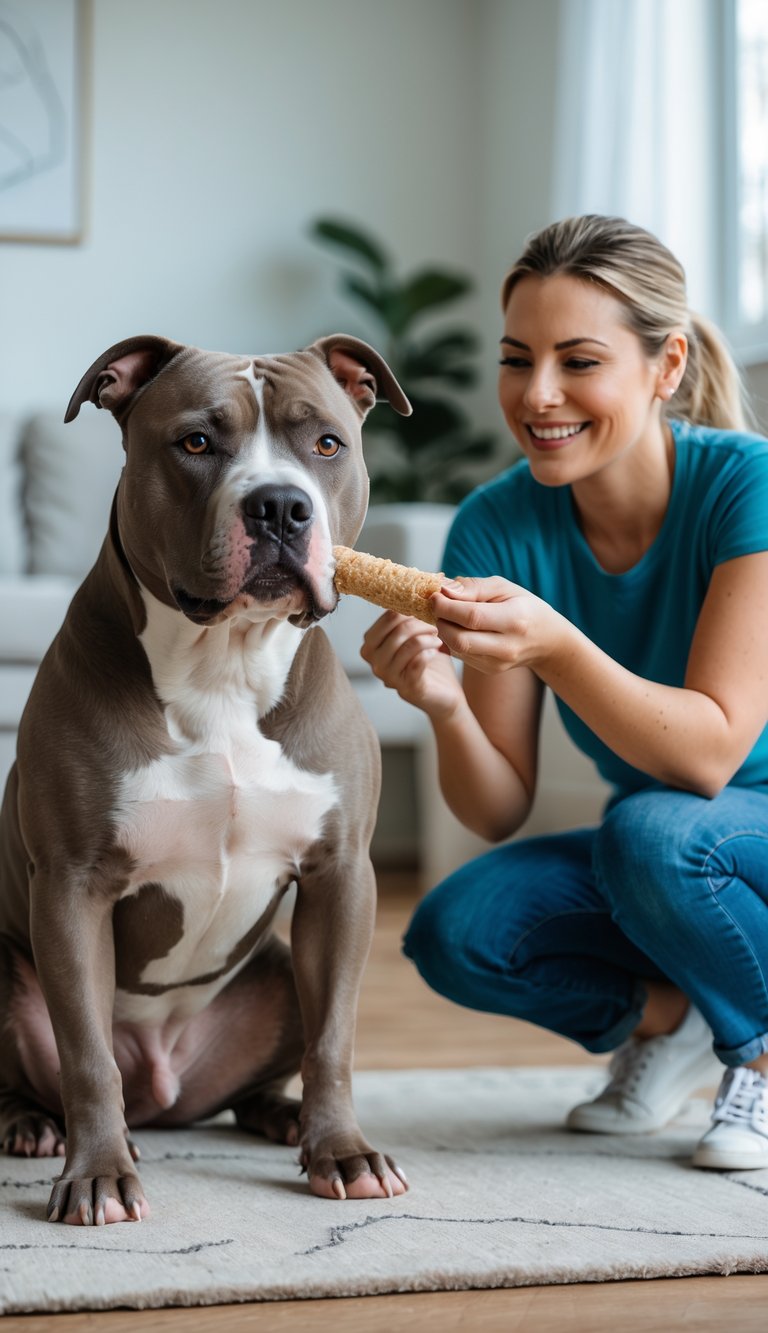
You can teach your Pitbull how to control the strength of their bite. This skill is called bite inhibition. It helps your dog learn not to bite too hard during play or other situations.
Start by letting your puppy mouth your hand gently. If they bite too hard, stop playing and give a short, clear yelp. This shows them that biting hard ends the fun.
Be consistent with this every time your puppy bites too hard. Over time, your dog will learn to be more careful with their mouth. This reduces the chance of accidental bites growing into a bigger issue.
Training bite inhibition takes patience but improves your bond and helps your Pitbull behave well around people and other dogs.
9) Introduce advanced obedience commands as your Pitbull matures
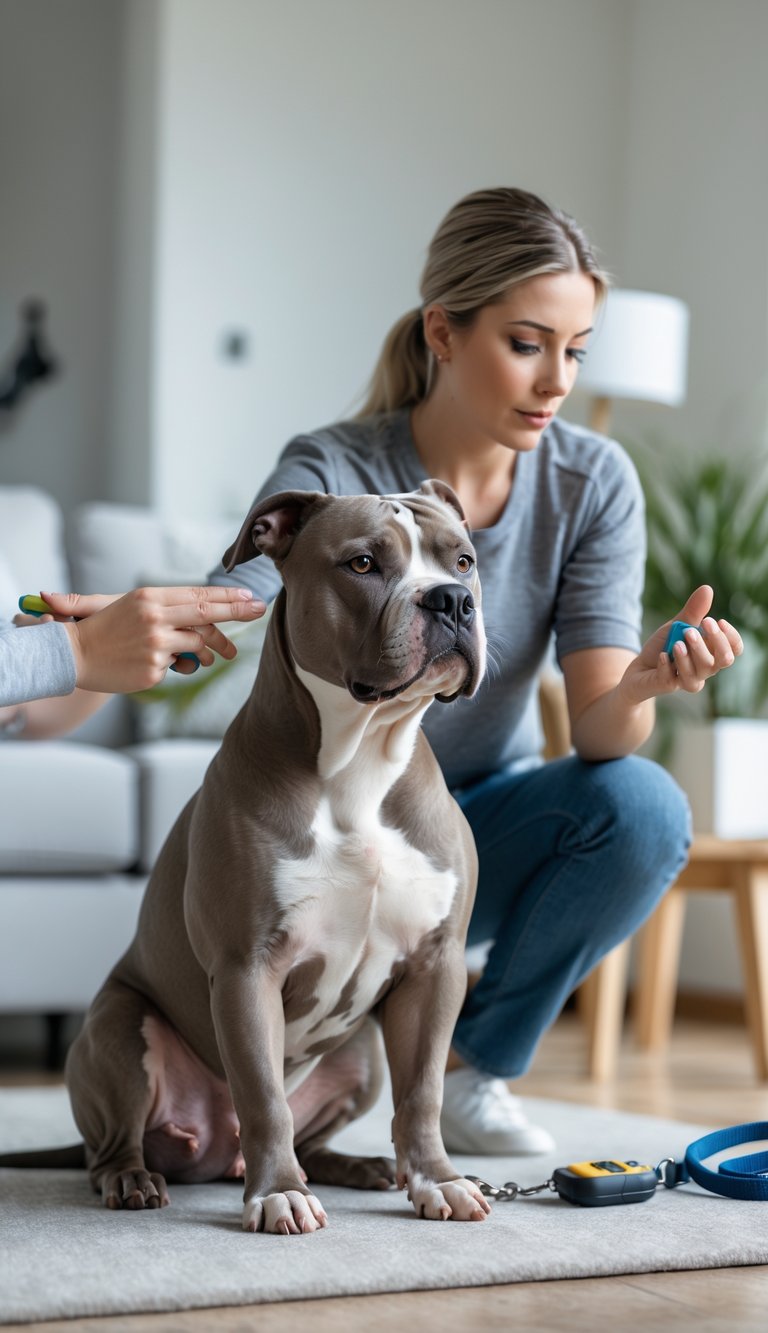
As your Pitbull gets older, you can start teaching more advanced commands. These help improve their focus and make handling them easier in different situations.
Try commands that work from a distance. This will teach your dog to obey even when you’re not close by. It takes patience, but it helps build trust.
You can also explore dog sports or activities like agility. These bond you and your Pitbull while reinforcing good behavior. Keep training fun and consistent to see the best results.
10) Consistently reward your Pitbull immediately after good behavior
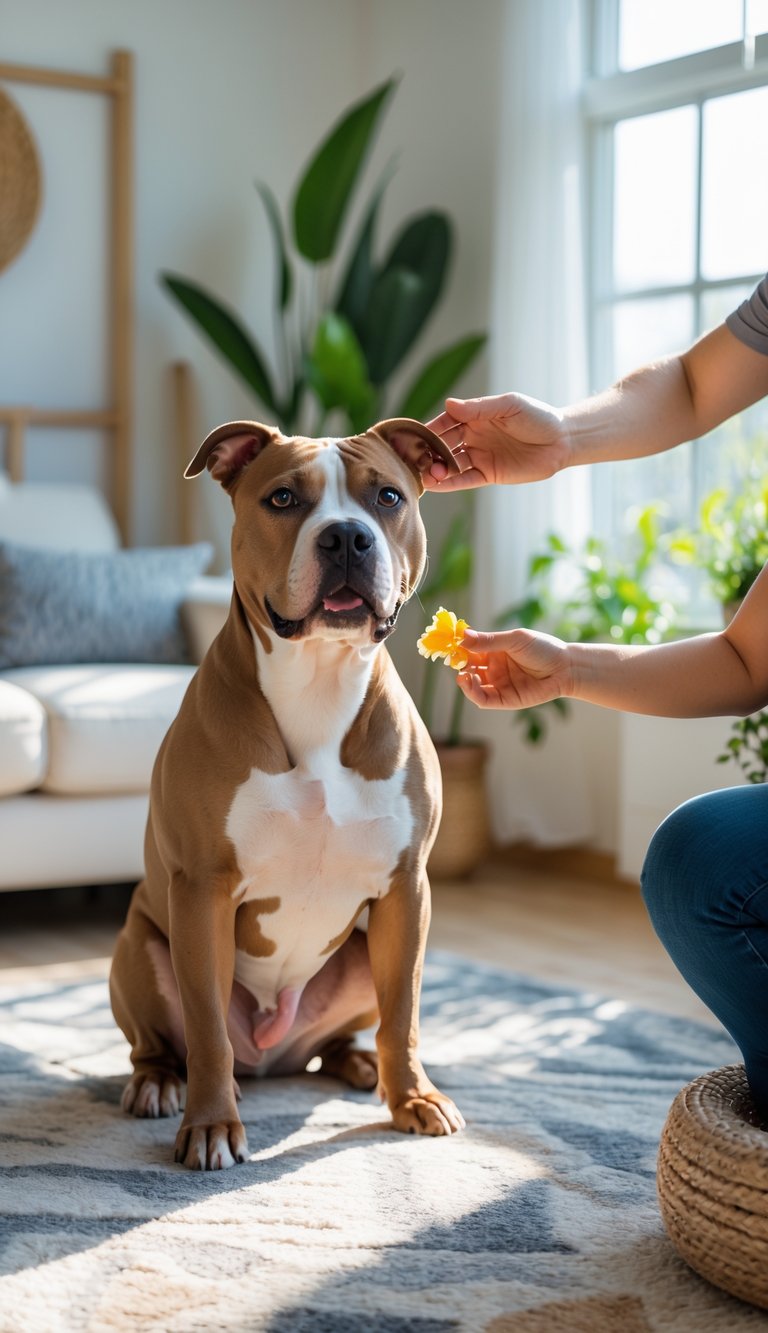
When your Pitbull does something right, give them a reward right away. This helps your dog understand exactly which action earned the treat or praise.
If you wait too long, your Pitbull might get confused and not connect the reward with the behavior.
Try to reward every time your dog follows a command at first. This builds a clear link between good behavior and positive outcomes.
Using treats, toys, or kind words works well. Keep it consistent so your Pitbull stays motivated to behave well each time.
11) Avoid repetitive drills that bore your Pitbull and cause disinterest
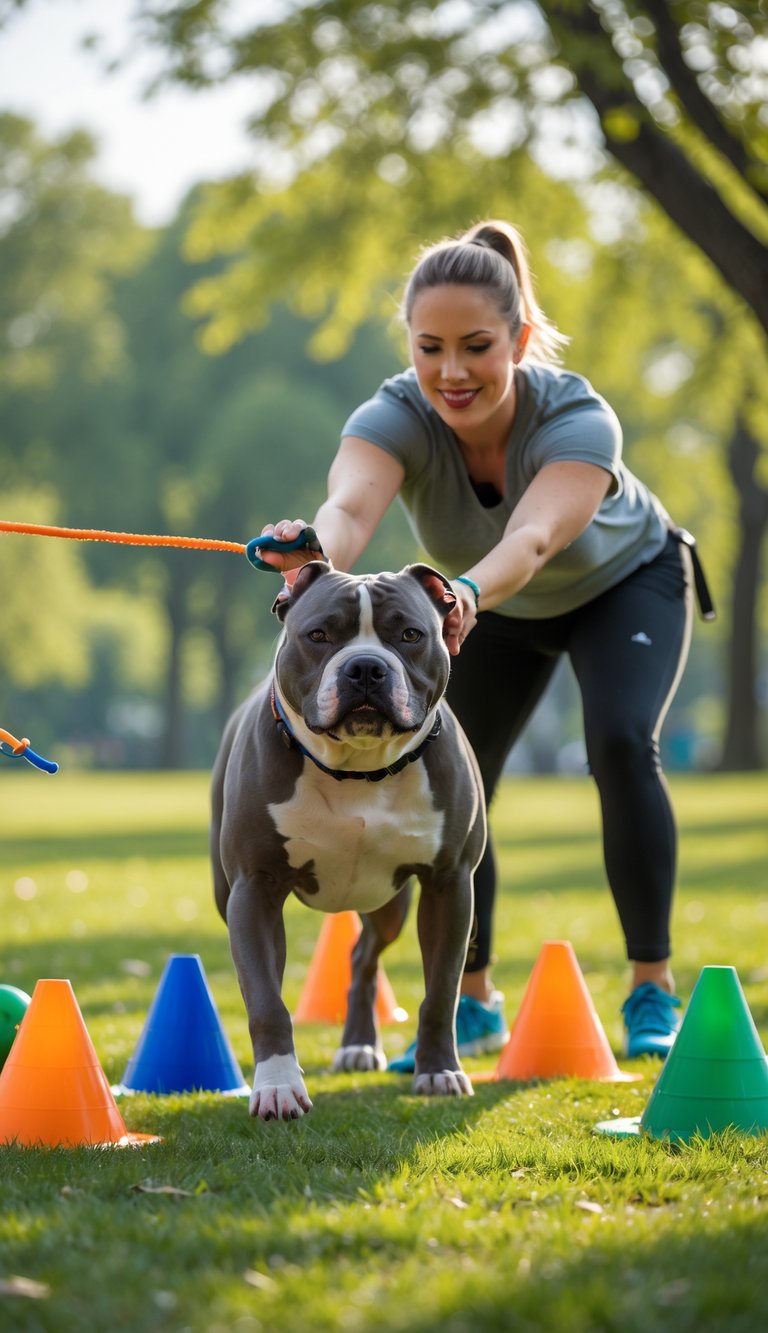
If you keep doing the same training drills over and over, your Pitbull can get bored quickly. When your dog loses interest, it’s harder to get good results.
Try changing up the exercises and adding new challenges. This keeps your Pitbull engaged and excited to learn.
You can use different rewards, move to new locations, or mix fun games with training. This variety will help your dog stay focused and enjoy the process.
Remember, training should be fun for both you and your Pitbull. If either of you feels frustrated or bored, it’s time to switch things up.
12) Socialize your Pitbull widely to build confidence and friendliness
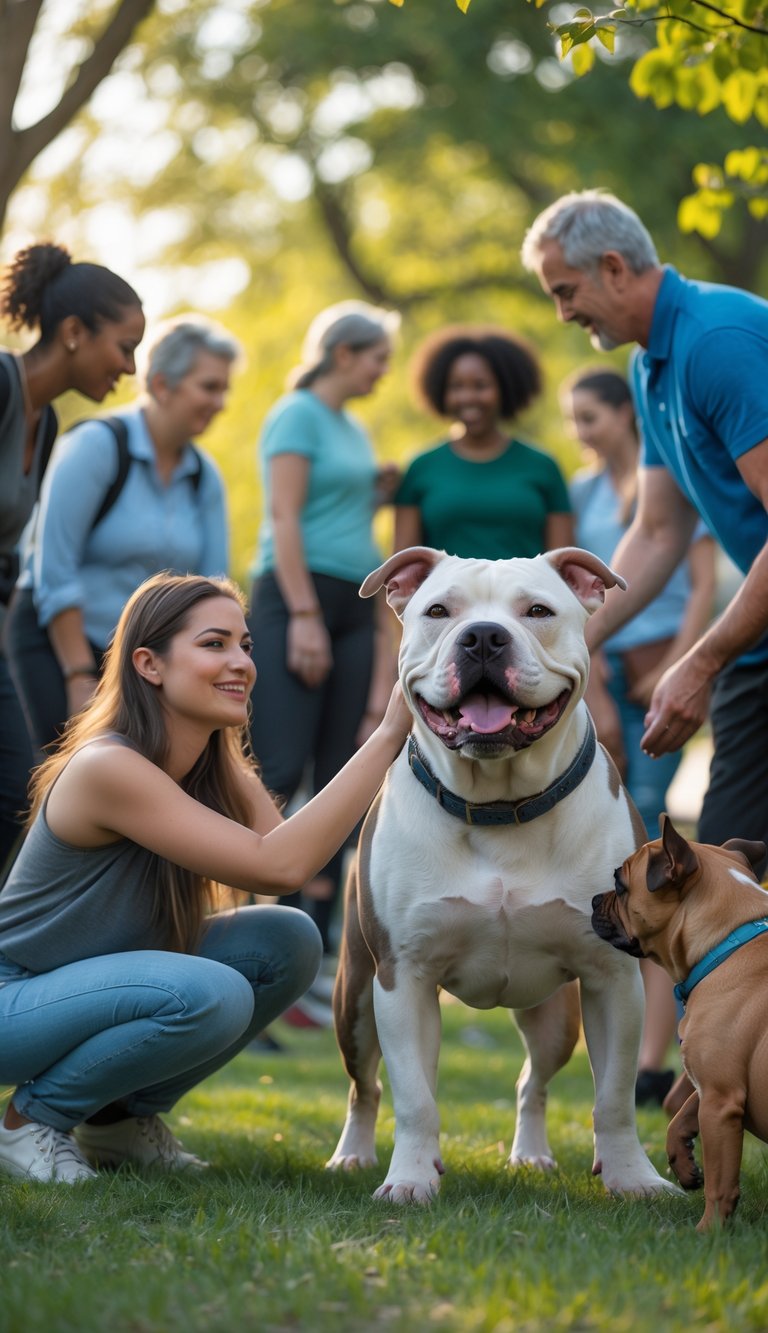
You should start socializing your Pitbull early, ideally between 3 and 14 weeks old. This helps your dog learn to feel comfortable around new people and other dogs.
Expose your Pitbull to different places, sounds, and situations slowly. This builds their confidence and reduces fear.
Joining obedience classes can help your dog learn good behavior in a social setting. It also makes you the clear leader, helping your Pitbull follow your commands better.
Use treats and praise to reward calm and friendly behavior. Positive reinforcement encourages your dog to act in ways you want.
Consistent, short sessions work best. Keep socializing fun for your Pitbull, and they will grow into a happy and friendly companion.
13) Use clicker training for precise communication and faster learning
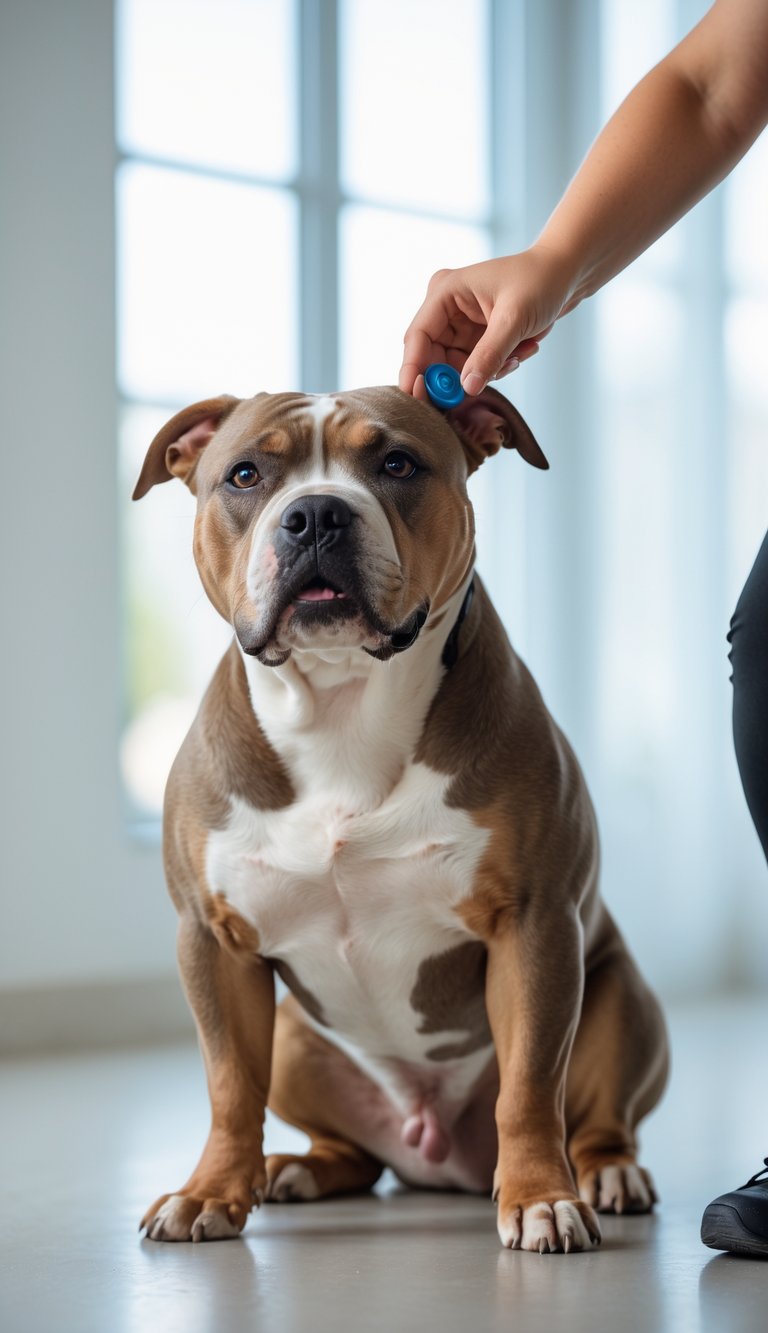
When you use a clicker, your pitbull gets a clear and consistent signal every time they do something right. This makes it easier for your dog to understand exactly which behavior you want.
The sharp sound of the clicker helps your pitbull learn faster because they don’t have to guess what earned the reward. It also helps you mark the exact moment when your dog follows a command.
Clicker training can be especially helpful when teaching new tricks or fixing bad habits. It keeps communication between you and your dog simple and clear, which builds a stronger bond.
Using a clicker regularly helps your pitbull connect commands to actions quicker. This can make training less frustrating and more enjoyable for both of you.
14) Incorporate short, frequent training sessions to maintain attention
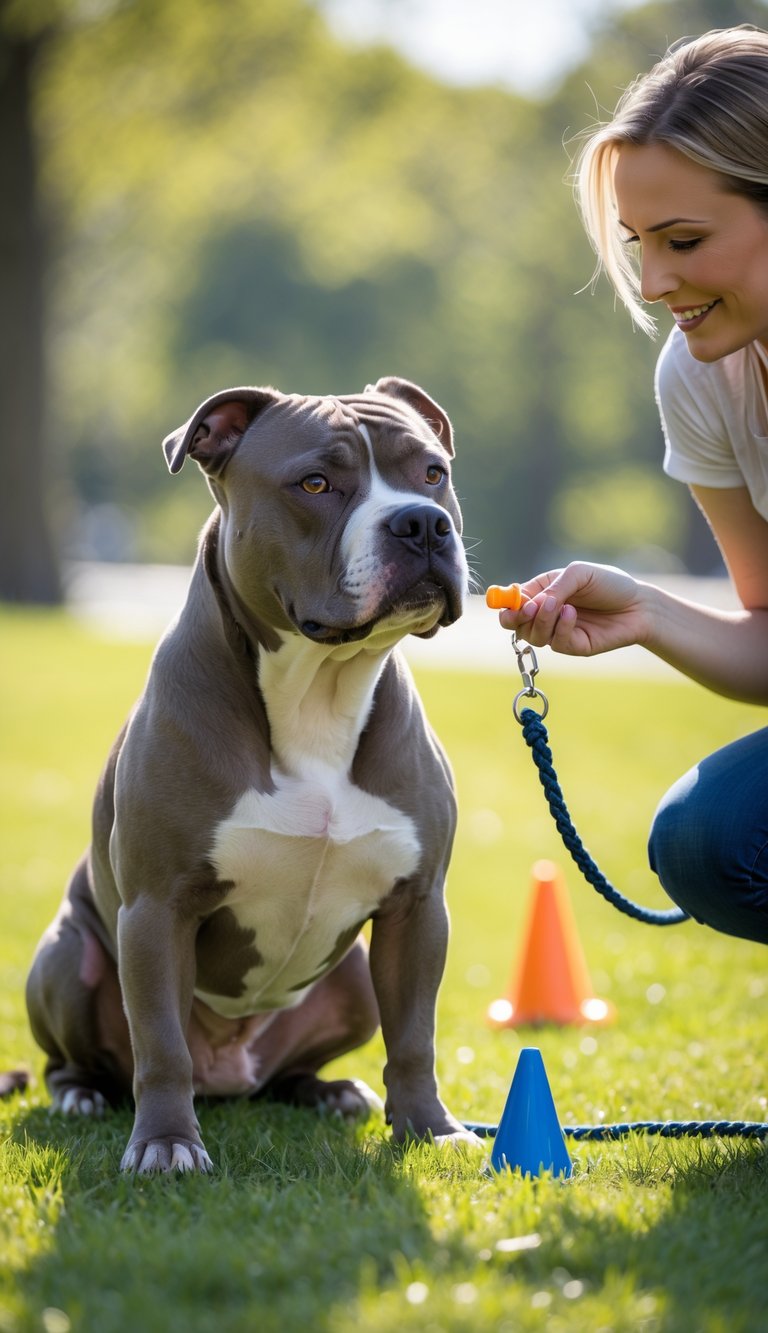
You’ll get the best results when you keep training sessions short and sweet. Pitbulls can lose focus if the training lasts too long. Aim for 5 to 10 minutes at a time to keep your dog interested.
Try doing several short sessions throughout the day instead of one long practice. This helps your Pitbull stay sharp and ready to learn.
Frequent, brief sessions also make training less tiring for your dog. Your Pitbull is more likely to listen and react well when you keep things quick and consistent.
15) Work on heeling early to prevent pulling on leash walks
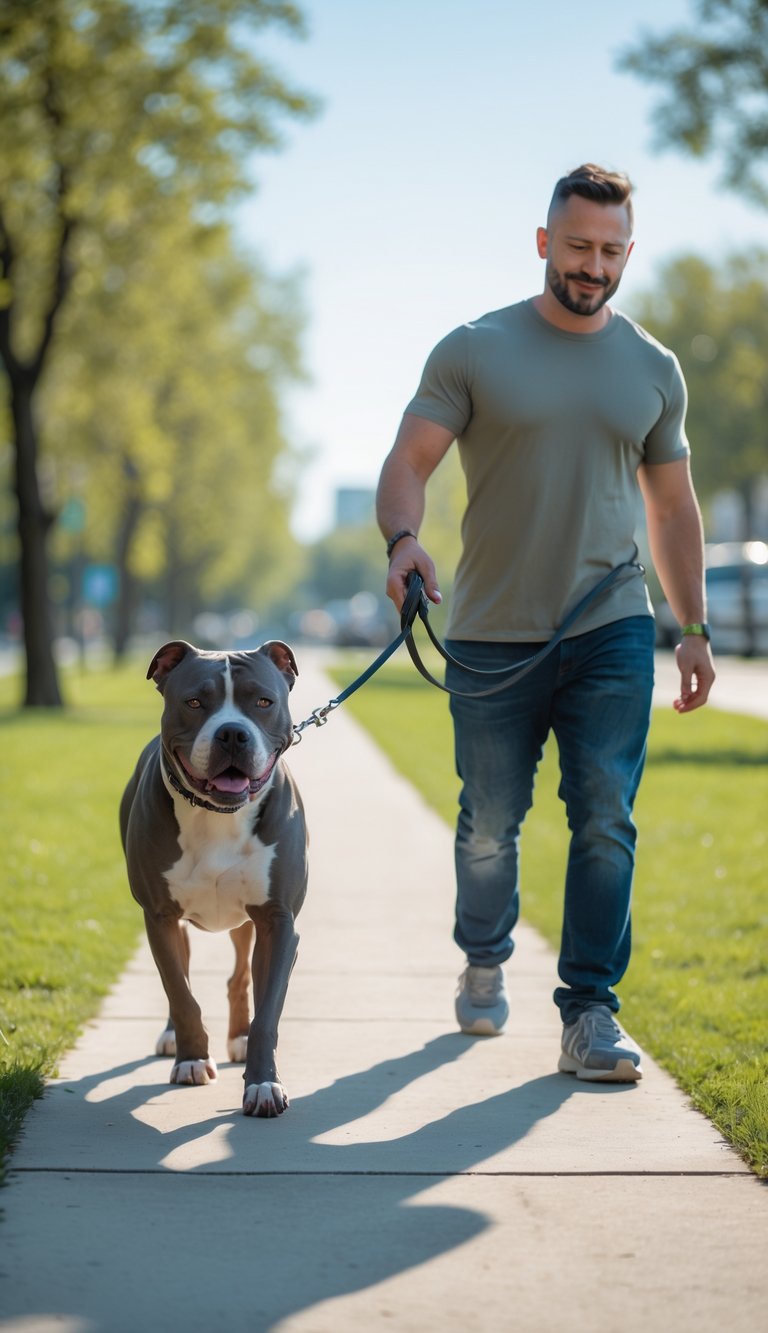
Teaching your pitbull to heel from the start helps stop leash pulling. When your dog walks close to you, it makes walks calm and safe.
Begin training in a quiet place with few distractions. Use treats to reward your dog when they stay by your side.
If your pitbull pulls, stop walking and only move again when they return to your side. This shows them pulling won’t get them where they want.
Practice short sessions daily. Over time, your dog will learn that staying close means fun and treats, making walks more enjoyable for both of you.