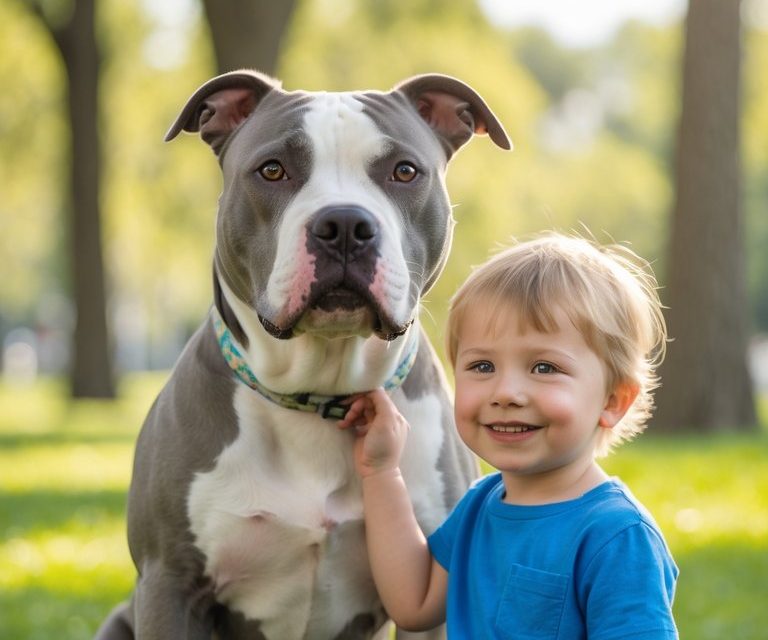
You’ve probably heard a lot about pit bulls, but not all of it is true. Many people believe things about this breed that come from old stories or misinformation. This can make it hard to understand what pit bulls are really like.


This article helps you separate fact from fiction by sharing expert opinions that clear up 22 harmful myths about pit bulls. Knowing the truth can change how you see these dogs and help you make better decisions if you ever meet one or think of bringing one into your life.
1) Pit Bulls have a locking jaw mechanism – Myth debunked

You might have heard that pit bulls have jaws that lock when they bite. This is not true. Pit bulls’ jaws work the same way as any other dog’s jaw.
The idea comes from their history when they were used for bull-baiting, where they needed to hold on tightly. But their jaw doesn’t physically lock.
This myth is often used to make pit bulls seem more dangerous than they really are. Knowing the facts helps you see pit bulls as just dogs, not scary animals with a special bite.
2) Pit Bulls are inherently aggressive toward humans

You might have heard that pit bulls are naturally aggressive. But this is not true. Like any dog, a pit bull’s behavior depends on training and environment, not just breed.
Most pit bulls are friendly and loving when treated well. Experts say that aggression usually comes from poor care or abuse, not from the breed itself.
If you meet a pit bull, don’t assume they will be mean. Get to know their personality and how they behave around people.
It’s important to remember that many pit bulls are great family pets. You should judge a dog by its actions, not by its breed.
3) Pit Bulls are unsuitable family pets

You might hear that pit bulls are too dangerous or aggressive for families. That’s not true. Many pit bulls are loving, gentle, and great with kids.
Like any dog, pit bulls need proper training and socialization. When raised in a caring home, they can be loyal and protective family members.
You should always meet and get to know any dog before bringing it home. If you give pit bulls a chance, you might find they make wonderful pets for your entire family.
4) Pit Bulls are dangerous to children
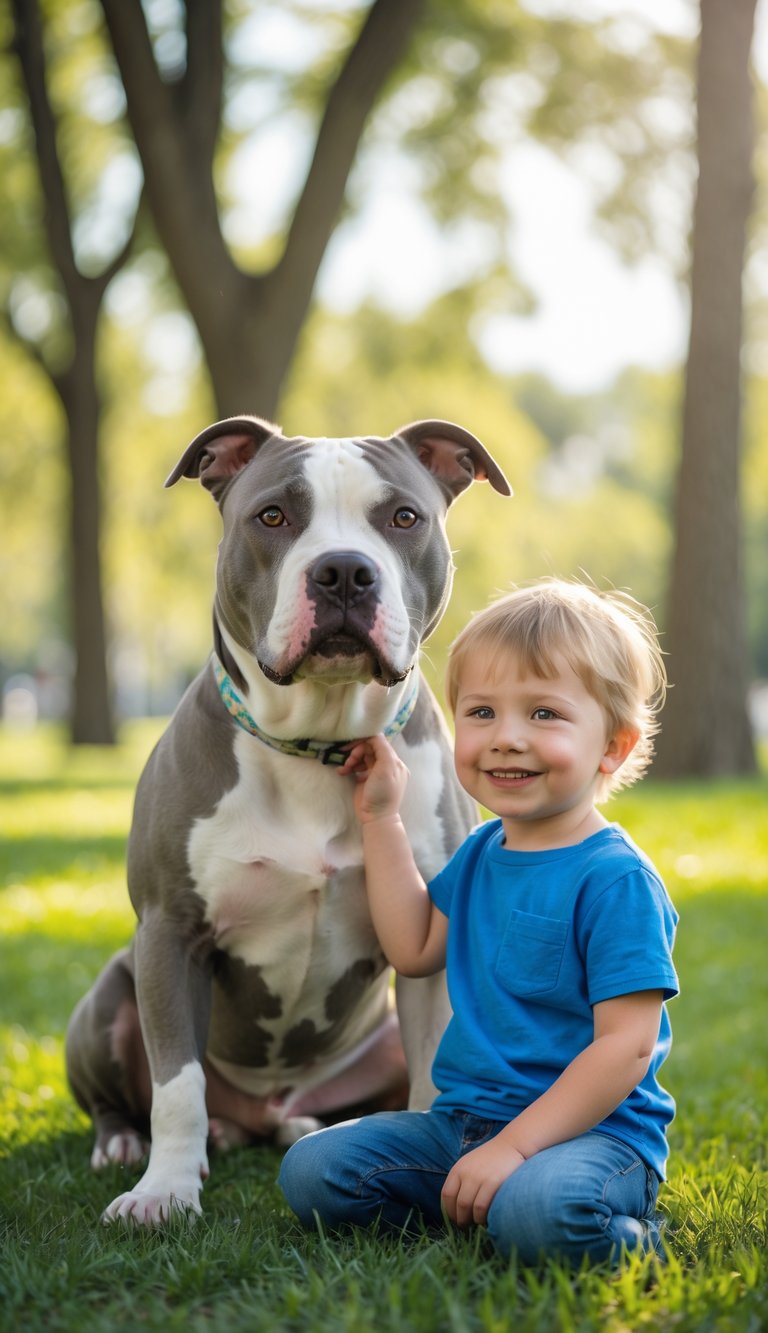
You might hear that pit bulls are unsafe around kids. This is a common belief but not always true. Like any dog, a pit bull’s behavior depends on how it is raised and trained.
If you teach your pit bull good manners and supervise around children, they can be gentle and loving. Pit bulls are often very protective and loyal to their family, including kids.
It’s important to introduce your dog to children carefully. Make sure your kids know how to respect the dog’s space and handle it kindly. Proper socialization helps your pit bull feel calm and friendly with everyone.
5) Pit Bulls were bred solely for fighting

You might have heard that pit bulls were made only for fighting, but that’s not the whole story. Yes, in the past, some pit bull type dogs were used in fighting because of their strength and courage.
However, pit bulls were also bred for traits like high pain tolerance and strong work ethic. This means they were meant to be hardworking and loyal, not just fighters.
Today, many pit bulls are friendly pets and loving family members. Their history doesn’t define who they are now. You should see them as individuals, not just by old myths.
6) All Pit Bulls look the same

You might think all pit bulls look alike, but that’s not true. There are actually four different breeds often called pit bulls. Each breed has its own size, color, and shape.
Even within a single breed, pit bulls can have many different looks. Their fur can be short or long, and colors can range from black to brown, red, or even spotted.
So, when you see a pit bull, don’t assume you know exactly what it looks like. They are a diverse group of dogs with many different appearances.
7) Pit Bulls don’t feel pain like other dogs

You might have heard that pit bulls don’t feel pain the same way as other dogs. This is not true. Pit bulls feel pain just like any other dog breed.
What makes them different is something called “gameness.” It means they can ignore pain during tough moments, but that doesn’t mean they don’t feel it at all. They still need care and love when they are hurt or sick.
If you have a pit bull, you should watch for signs of injury or discomfort. Treating their pain quickly helps them stay healthy and happy.
8) Pit Bulls are unpredictable with strangers

You might think pit bulls suddenly act aggressive around people they don’t know. But this isn’t true. Like any dog, a pit bull’s behavior depends on how they are raised and trained.
If you meet a well-socialized pit bull, they can be friendly and calm. They often enjoy meeting new people and don’t usually act out without reason.
It’s important to read a dog’s body language, no matter the breed. Most pit bulls are predictable when they feel safe and treated kindly. So, don’t assume they will be sudden or dangerous around strangers just because of the breed.
9) Breed determines a dog’s behavior exclusively

You might think a dog’s breed tells the full story of how it will act. Many people believe pit bulls are naturally aggressive because of their breed alone. That’s not true.
A dog’s behavior depends on many things like training, socialization, and environment. How you raise and treat your dog matters more than its breed.
Even experts say you can’t judge a dog’s personality just by looking at its breed. Dogs of the same breed can have very different behaviors.
So, don’t assume a pit bull will behave a certain way just because of its breed. Your actions and care shape your dog’s true nature.
10) Pit Bulls have a higher bite force than other breeds

You might have heard that Pit Bulls have the strongest bite force of all dogs. This isn’t true. Their bite force is strong, but not the highest compared to other breeds.
For example, the Kangal dog has a bite force much stronger than a Pit Bull’s. Pit Bulls’ bite force is often exaggerated in stories and media.
Knowing this helps you understand that bite force alone doesn’t make a dog dangerous. How a dog is raised and treated has a bigger impact on its behavior than its bite strength.
11) Pit Bulls are naturally attacking when they bark

When your Pit Bull barks, it doesn’t mean they are about to attack. Barking can be their way of saying hello, warning you about something, or just getting your attention.
Pit Bulls, like any dog, use barking to communicate. It is important to watch their body language, not just the sound, to understand how they feel.
Your Pit Bull is not born to attack when they bark. A well-trained and cared-for dog will use barking as a normal way to speak, not as a sign of aggression.
12) Pit Bulls can’t be trusted off-leash

You might hear people say pit bulls can’t be trusted off-leash, but that’s not true for every dog. Like any breed, a pit bull needs proper training and socialization to behave well without a leash.
If you teach your pit bull good manners and practice recall commands, they can be safe off-leash. Trust depends on how well you raise and train them, not their breed.
It’s important to always know your dog’s personality. Some pit bulls may need more supervision, but many enjoy off-leash time without problems when given the chance.
So, don’t assume all pit bulls are unsafe off-leash. Your care and training make the biggest difference.
13) Pit Bulls require harsh training methods

You don’t need to use tough or strict training to teach a Pit Bull. Like any dog, they learn best with patience and positive rewards. Harsh methods can actually make them fearful or aggressive.
Your Pit Bull responds well to kindness, clear rules, and consistency. Building trust helps your dog listen and behave better.
If you focus on teaching in a calm, friendly way, your Pit Bull can become well-behaved and happy. You don’t have to be tough to raise a good dog.
14) Pit Bulls are more likely to attack other dogs

You might have heard that pit bulls are more likely to attack other dogs. This is a common belief, but it’s not completely true. Like any dog, how a pit bull behaves with other dogs depends a lot on training and socialization.
If a pit bull has poor social skills or bad experiences, it might act aggressively. But that can happen with any breed, not just pit bulls. Many pit bulls get along well with other dogs when their owners help them learn good manners.
Your dog’s environment and how you raise it play the biggest roles. Treating pit bulls differently because of this myth can be unfair. Instead, focus on responsible care and training.
15) Pit Bulls can’t be good therapy or service dogs

You might have heard that pit bulls can’t be good therapy or service dogs. That’s not true. Like any breed, pit bulls can be tested for their temperament. Some are calm, friendly, and focused enough to help people.
Pit bulls have even been trained as therapy dogs, bringing comfort to hospitals and schools. They can also assist with tasks for people with disabilities if they have the right personality.
Your dog’s behavior and training matter more than the breed. If a pit bull is well-trained and socialized, it can be just as helpful as any other service or therapy dog. Don’t let myths stop you from seeing their true potential.
16) Pit Bulls are bad guard dogs

You might hear people say pit bulls make bad guard dogs. That’s not true. Pit bulls are very loyal and protective of their homes and families.
They can be alert and watchful, letting you know if something is wrong. Their strong build and bravery can help them guard effectively.
But guard dog skills depend on training and socialization, not just breed. If you train your pit bull well, they can be great protectors without being aggressive.
Remember, pit bulls care about their family first. With your care and training, they can be both friendly and watchful at the same time.
17) Pit Bulls are poorly socialized by nature

You might hear people say that pit bulls are naturally poorly socialized. But this isn’t true. Like any dog, their behavior depends a lot on how they are raised and treated.
If you give a pit bull good training and expose them to different situations early, they can be friendly and well-behaved. Many studies show pit bulls often do better on temperament tests than other breeds.
Poor socialization happens when dogs don’t get enough attention or training, not because of their breed. So, it’s up to you to help your pit bull learn how to get along with people and other animals.
18) Pit Bulls don’t bond with owners

You might hear people say pit bulls don’t form strong bonds with their owners. This is not true. Pit bulls often become very loyal and loving companions.
These dogs are known to be affectionate and enjoy close connections with the people they trust. When you spend time with a pit bull, you can see how much they want to be part of your family.
If you give your pit bull kindness and care, they will return it with loyalty. Like any dog, bonding takes time and patience, but pit bulls are just as capable of love as any other breed.
19) Pit Bulls don’t make affectionate pets

You might have heard that pit bulls aren’t loving dogs, but that’s not true. Many pit bulls are very sweet and enjoy spending time with their families. They can be just as affectionate as any other dog.
If you give a pit bull love and care, they often return it with lots of cuddles and loyalty. They can be great companions who want to be close to you.
Just like any dog, their personality depends on how they are raised and treated. Many pit bulls thrive in loving homes and show lots of warmth to their owners.
20) Breed-specific legislation effectively reduces attacks

You might think that banning certain breeds like pit bulls would make your community safer. But breed-specific laws often don’t cut down on dog attacks the way people expect.
These laws focus only on the breed, not the real reasons dogs can be aggressive. Things like training, socialization, and how the dog is cared for matter more.
If you want fewer attacks, it’s better to focus on responsible ownership. Teaching all dog owners to train and care for their pets helps more than just banning a certain type.
So, while breed bans seem simple, they often miss the bigger picture of keeping everyone safe.
21) Pit Bulls have no place in a home with kids

You might have heard that pit bulls should never be around children. This idea comes from fear and some bad stories, but it isn’t true for every dog.
Pit bulls can be loving and gentle if they are trained and socialized well. Like any dog, they need attention, care, and proper supervision when around kids.
Remember, the way you raise and treat your pit bull matters more than the breed itself. If you give your dog love and training, they can be a safe and loyal companion for your family.
22) All Pit Bulls are rescue dogs from fighting rings

You might hear that all pit bulls come from dog fighting rings, but that’s not true. While some pit bulls have been rescued from cruel situations, many live happily as family pets.
Not every pit bull has a past linked to fighting. Most are loving dogs raised in homes or shelters.
Thinking every pit bull is a rescue can make people unfairly judge them. When you meet a pit bull, remember they are individuals, not all the same.
Many pit bulls are adopted because people see how sweet and loyal they can be. You should give each dog a chance based on who they are, not where they come from.