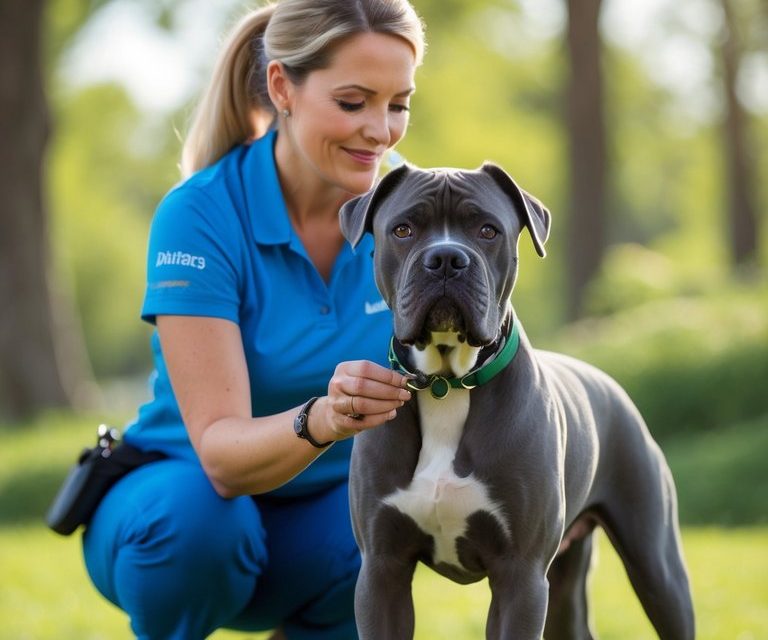
Cane Corsos are strong, loyal dogs with a lot of personality. Like any breed, they can have behavior problems that make life harder for you and your pet.

Understanding these challenges is important if you want to build a happy relationship with your Cane Corso.

This article will help you recognize 24 common behavioral issues in Cane Corsos and show you how to handle them effectively. With the right knowledge and approach, you can keep your dog well-behaved and create a safe, loving home for both of you.
1) Early socialization to reduce fear and aggression

You want your Cane Corso to be calm and confident. Early socialization helps your puppy get used to different people, places, and other animals.
This reduces fear and stops aggressive behavior before it starts. Expose your Cane Corso puppy to new sounds, sights, and experiences gently and often.
This helps them feel safe in unfamiliar situations. If you meet new dogs or strangers, keep things positive with treats and praise.
This builds good feelings around new experiences. Starting socialization early gives your dog a better chance at being friendly and well-behaved as an adult.
2) Consistent obedience training with positive reinforcement

To help your Cane Corso behave well, you need to train them regularly. Consistency is key.
Practicing commands every day makes it easier for your dog to learn and follow rules. Use positive reinforcement, like treats or praise, when your dog listens.
This encourages them to repeat good behavior. Avoid harsh punishments, as they can cause fear or aggression.
Start training early and keep sessions short and fun. This keeps your Cane Corso interested and willing to learn.
3) Proper leash training to manage reactivity
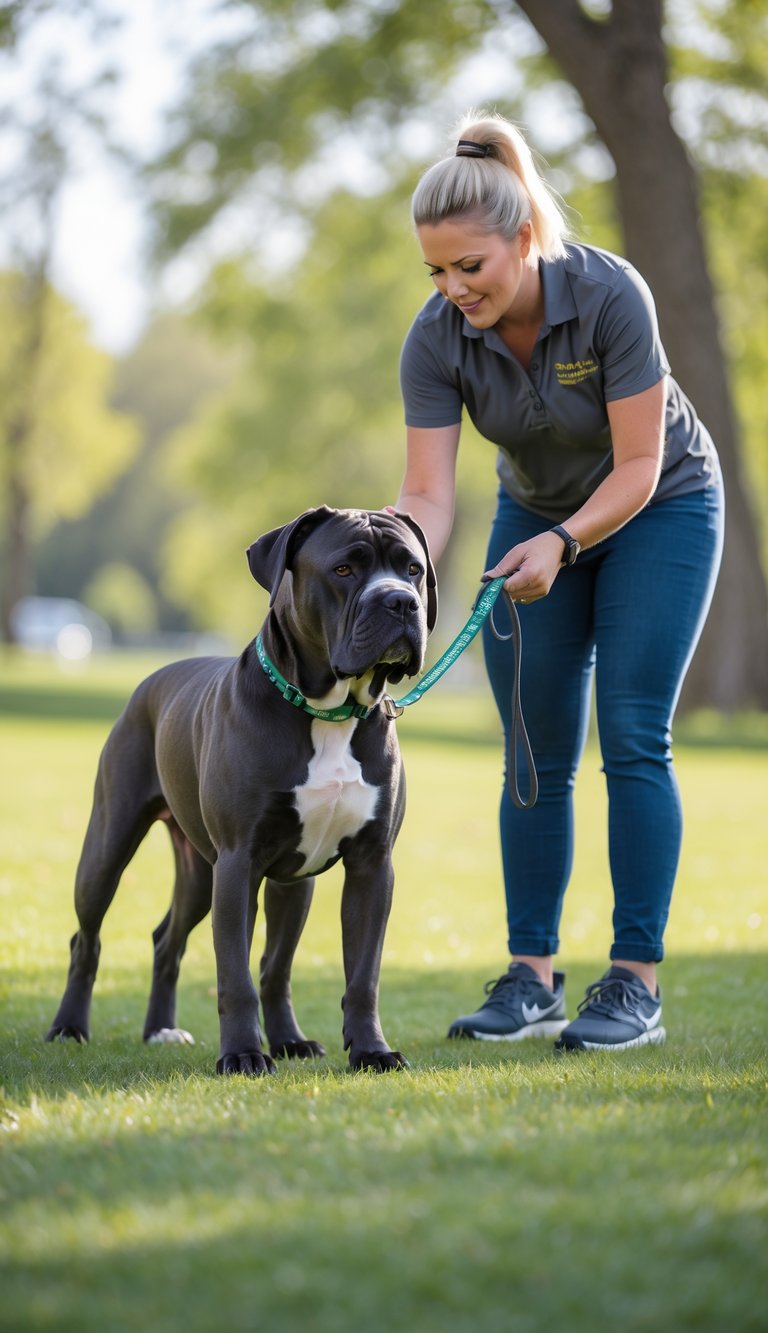
If your Cane Corso gets tense or barks while on the leash, you can help calm them with steady training. Start by keeping distance from other dogs or distractions.
This helps your dog feel less anxious. Use treats or praise when your dog stays calm on walks.
This encourages good behavior. Avoid pulling or yelling, as it can make reactivity worse.
Practice short, frequent walks to build your dog’s confidence. If your dog gets reactive, try to redirect their attention to you with a command or toy.
4) Preventing resource guarding through controlled feeding routines

You can stop resource guarding by using controlled feeding times. This means you watch your Cane Corso while they eat without hovering too closely.
Standing nearby helps you see if your dog feels nervous or protective about their food. You can then calmly remind them that you are not a threat.
Let your dog eat without rushing them. This helps them feel safe and less likely to guard their bowl.
Try adding treats to their bowl while they eat. This creates a positive link between your presence and good things happening.
Controlled feeding helps your dog learn to trust you around their food. It can lower aggression and make mealtime peaceful for everyone.
5) Addressing separation anxiety with gradual alone time

You can help your Cane Corso feel better when alone by starting with short alone times. Begin by stepping away for just a few seconds.
Slowly increase this time each day so your dog gets used to being alone. Keep the departures low-key.
Avoid long goodbyes or excited hellos because this can make your dog more anxious. Give your dog a toy or treat before you leave.
This can help distract and comfort them while you are gone. Practice regular exercise and mental games to tire your dog out.
A tired dog often feels calmer when left alone. Be patient.
6) Redirecting destructive chewing with chew toys

If your Cane Corso is chewing on things they shouldn’t, giving them the right chew toys helps a lot. You want to make sure the toys are safe and strong enough for their powerful jaws.
When you catch your dog chewing on something bad, gently take the item away and offer a chew toy instead. Praise your dog when they use the toy to encourage good behavior.
Keep a variety of chew toys around to keep things interesting. Rotate them often so your dog doesn’t get bored.
Chew toys also help your dog spend energy in a positive way. This can reduce chewing out of stress or boredom.
7) Managing stubbornness with varied training exercises

If your Cane Corso seems stubborn, changing up training exercises can help keep their interest. Using different games, commands, and rewards makes training more fun and less repetitive for your dog.
Try mixing short training sessions with mental challenges like puzzle toys or scent work. This keeps your dog’s mind active and helps reduce stubborn behavior by giving them something new to focus on.
Being consistent but flexible is key. If one method isn’t working, try another approach.
8) Recognizing signs of stress to prevent behavioral escalation

You need to watch for signs when your Cane Corso feels stressed. These can include pacing, whining, or licking their lips.
Early signs help you step in before your dog’s behavior gets worse. Your dog might also show changes in body language, like tense muscles or avoiding eye contact.
These signals tell you they are feeling uneasy. By noticing stress early, you can give your dog a break, a calm space, or a favorite toy.
This helps prevent bigger problems, like barking or aggression. Staying calm yourself helps your Cane Corso feel safe.
9) Regular physical exercise to reduce pent-up energy
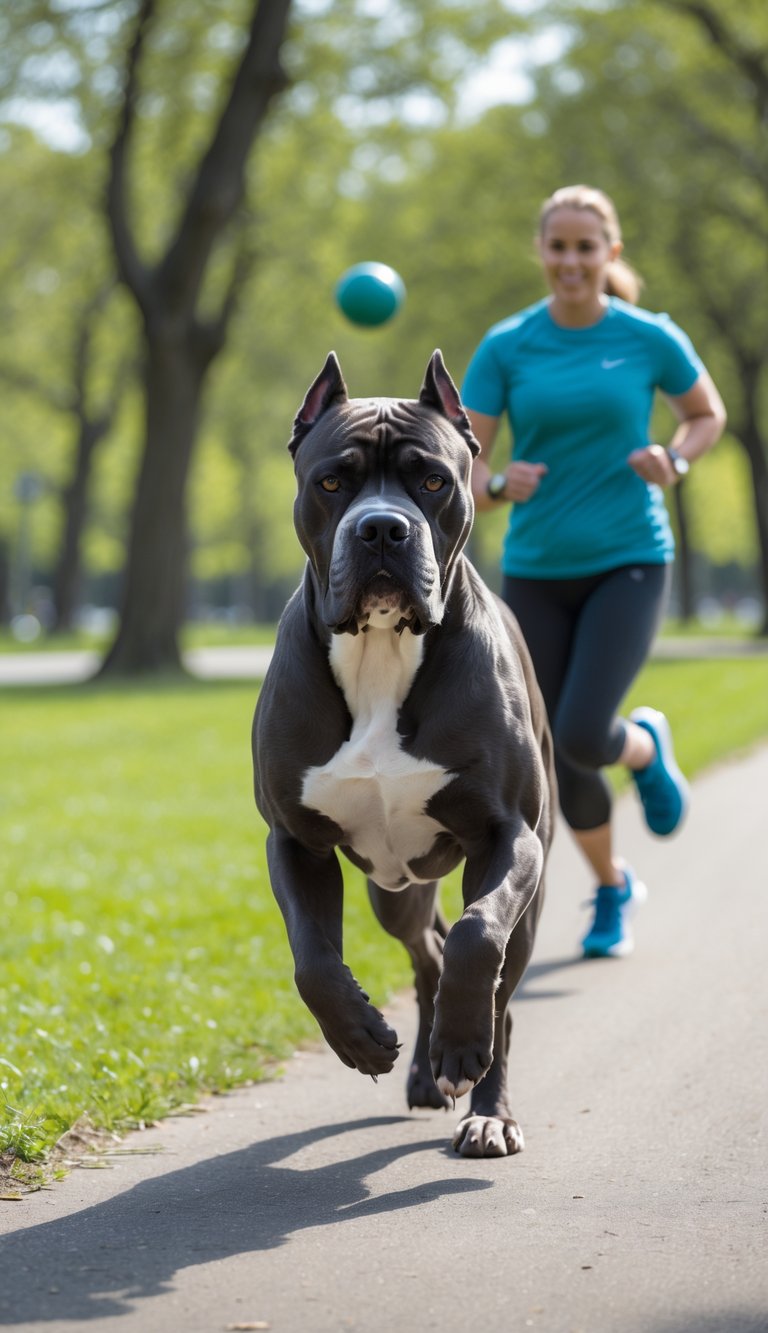
If your Cane Corso seems restless or acts out, chances are they need more exercise. Giving your dog at least 45 to 60 minutes of physical activity each day helps use up extra energy.
Exercise isn’t just about tiring them out. It also keeps their mind busy, which can stop behaviors like chewing, barking, or digging.
Try mixing muscle-building activities with fun games like fetch or walks. Your dog will feel happier and calmer when they get enough movement every day.
10) Mental stimulation games to prevent boredom

You can keep your Cane Corso happy by playing mental games that challenge their brain. Simple tricks like hide and seek with treats or teaching new commands help them stay focused.
Puzzle toys are a great way to make your dog think and work to get rewards. These games stop boredom and can reduce unwanted behaviors caused by restlessness.
Try mixing training sessions with fun activities like scent games or problem-solving tasks. This keeps your dog’s mind busy and strengthens your bond at the same time.
11) Avoiding harsh punishment to build trust

When you train your Cane Corso, it’s important to avoid harsh punishment. Using punishment can make your dog scared or anxious.
This can lead to more behavior problems, not less. Instead, focus on positive reinforcement.
Reward good behavior with treats, praise, or play. This helps your dog feel safe and understand what you want.
Building trust makes training easier. Your Cane Corso will listen better when they know you are kind and fair.
12) Introducing controlled interactions with other dogs
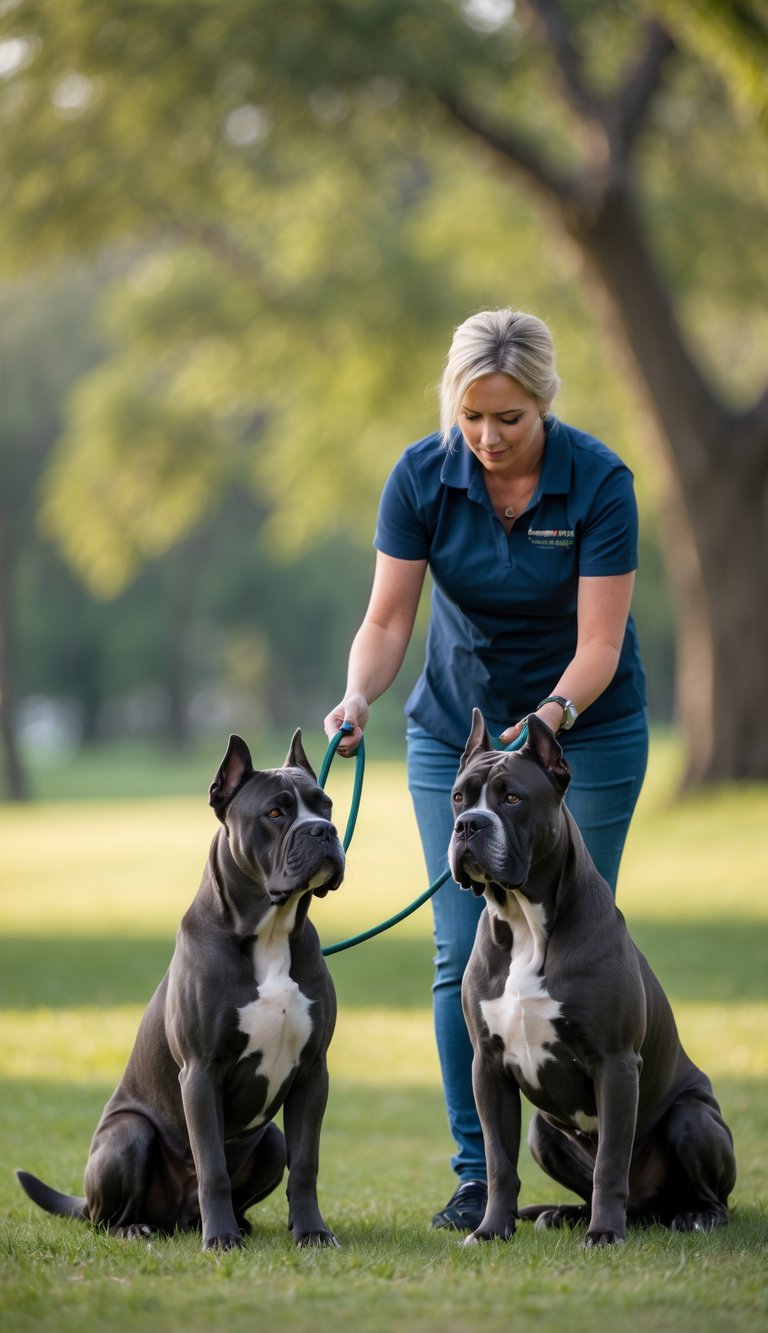
When you bring your Cane Corso to meet other dogs, start slowly and watch their behavior closely. Controlled introductions help your dog learn good manners without feeling overwhelmed.
Choose a calm, neutral place for the first meeting. Keep your Cane Corso on a leash and let the dogs see each other from a distance at first.
Praise your dog for calm behavior and step in if you notice signs of stress or aggression. Patience is key.
Regular, controlled social time helps your Cane Corso become more confident and friendly. It also reduces the chance of problems later.
13) Monitoring diet to rule out food-related behavior changes

If your Cane Corso is acting differently, what they eat might be a factor. Some foods can affect your dog’s mood or energy levels.
Pay close attention to any new treats or snacks you’ve added. Cutting out certain ingredients could help calm sudden behavior changes.
Try keeping a simple food diary to spot patterns. If your dog shows signs of restlessness or aggression after eating, you might want to check for allergies or sensitivities.
Changing your dog’s diet might improve behavior without extra training. Always talk to your vet before making big changes.
14) Handling adolescent hormonal surges calmly
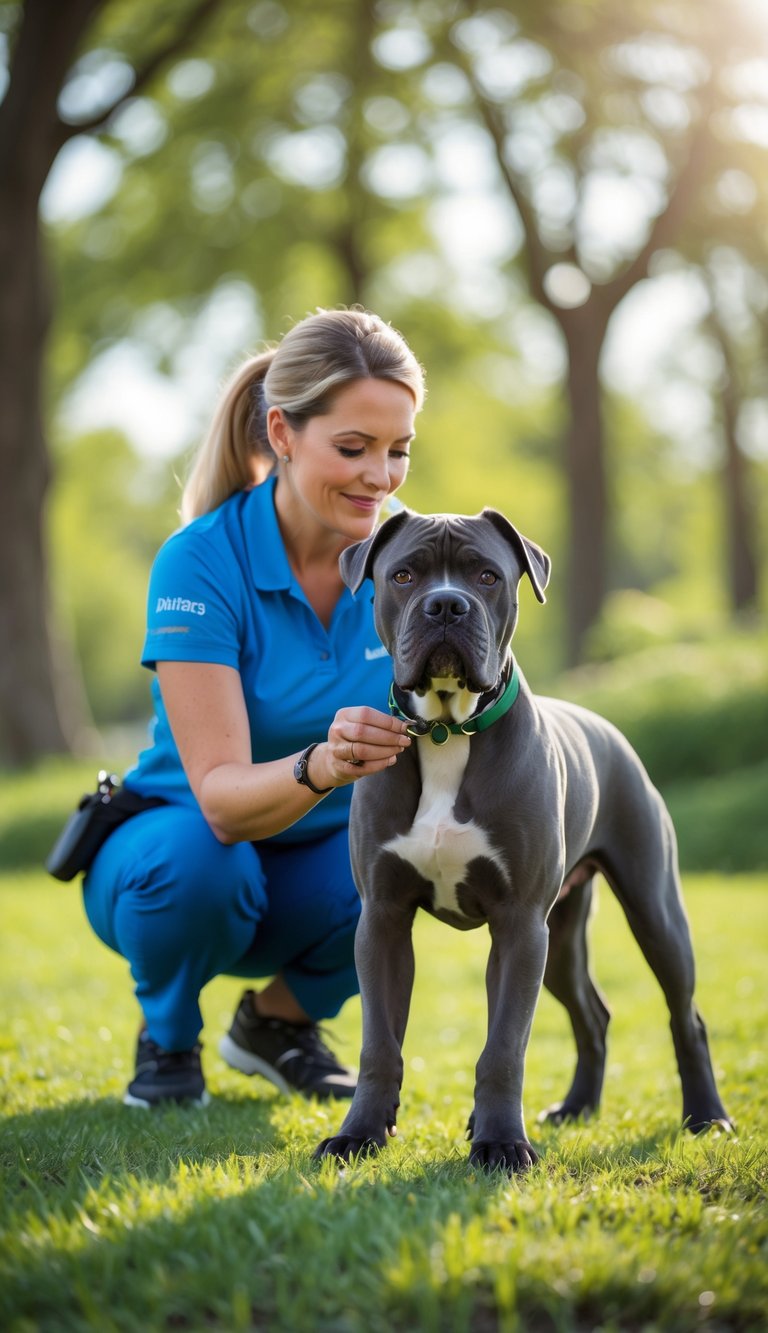
Your Cane Corso will go through a tough phase during adolescence. Hormonal changes can make them more curious, excited, or even stubborn.
You might notice new behaviors like sniffing more or marking places indoors. Stay calm when your dog acts out.
Reacting with anger can make things worse. Use patience and gentle training to guide them.
Keep a routine for walks and playtime. This helps your dog release energy and reduce stress.
If you stay consistent, your Cane Corso will learn what’s okay and what’s not.
15) Providing safe spaces to reduce anxiety

Your Cane Corso needs a place it can call its own. A safe space helps your dog feel calm when things get stressful.
Set up a quiet corner with their bed and favorite toys. This spot should be away from loud noises and busy areas.
When your dog feels worried, encourage them to go to this space. It gives them a chance to relax and feel secure.
You can also use blankets or crates to create a cozy, den-like area. This helps reduce anxiety and makes your dog feel protected.
16) Teaching bite inhibition during puppyhood

If your Cane Corso puppy bites too hard, it’s important to teach them bite inhibition early. This helps your pup learn to use their mouth gently, which keeps play safe for everyone.
When your puppy bites, respond with a firm “ouch” or stop playing for a moment. This teaches them that biting hurts and playtime ends if they bite too hard.
Offer plenty of chew toys to redirect their biting. Praise your puppy when they bite softly or use toys instead of your hands.
Consistent training now helps prevent hard biting as your Cane Corso grows bigger and stronger.
17) Avoiding long periods of isolation
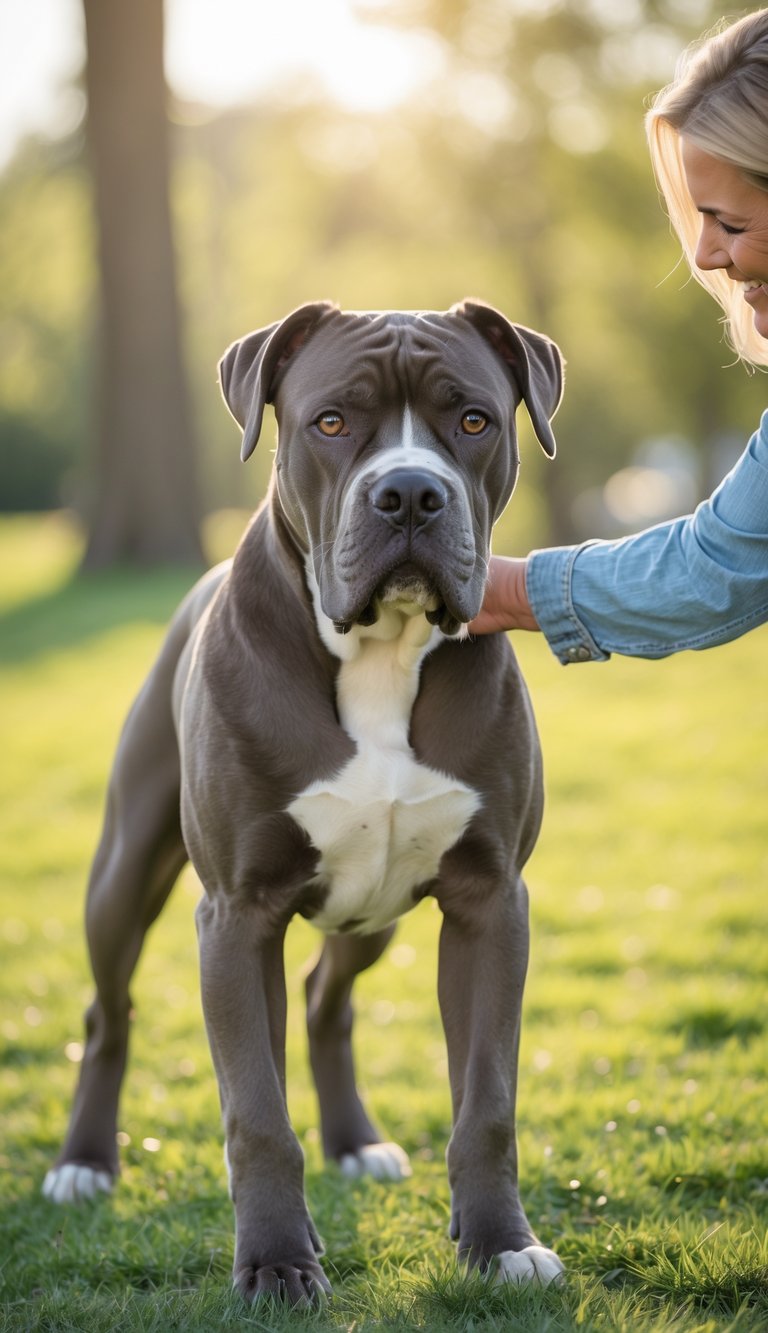
Your Cane Corso needs company and attention. Leaving them alone for long times can make them anxious and unhappy.
When your dog feels lonely, they might act out. This can lead to chewing, barking, or other behavior problems.
Try to spend regular time with your dog. If you must be away, consider hiring a dog walker or asking a friend to check in.
Giving your Cane Corso plenty of exercise and mental stimulation also helps. This keeps them tired and calm when alone.
18) Using calming techniques during fear periods

When your Cane Corso feels scared, staying calm yourself helps a lot. Your dog looks to you for comfort, so use a soft voice and gentle touch.
Try slow, deep breathing around your dog. This shows them there’s no danger.
You can also offer a favorite toy or treat to distract them. Desensitizing your dog to the fear trigger bit by bit works well.
For example, if leaving the house causes anxiety, practice short, calm departures often.
19) Early puppy classes for social skills development

Signing your Cane Corso puppy up for early socialization classes is one of the best things you can do. These classes help your pup learn how to interact with other dogs and people safely.
In these classes, your puppy meets different dogs and humans in controlled settings. This helps reduce fear and anxiety later in life.
You’ll also learn useful tips on how to encourage good behavior. Starting social skills training early makes your Cane Corso more confident and well-behaved as they grow.
20) Avoiding overprotective behavior through balanced attention

If you give your Cane Corso too much attention in certain situations, it might start acting overprotective. This can make your dog stressed or anxious.
Try to spend time with your dog in many different ways, not just when they feel the need to guard you. Make sure your dog meets lots of new people and animals.
This helps them get used to different situations and lowers the chance of overprotectiveness. Use a leash when you are out, so you can gently guide your dog if they get too protective.
21) Using crate training to create a secure environment

You can use crate training to help your Cane Corso feel safe and calm. A crate becomes their own little space where they can relax without feeling stressed.
When done right, the crate is not a punishment but a cozy retreat. This helps with anxiety, especially if your dog gets nervous when alone.
Be patient and make the crate a positive place. Use treats or toys to encourage your dog to enjoy being inside.
22) Recognizing unusual behavior as potential illness

If your Cane Corso starts acting differently, it might not just be a behavior problem. Sometimes, changes in energy, appetite, or mood can mean your dog is feeling sick.
Watch for signs like excessive tiredness, vomiting, or sudden aggression. These could be clues that your dog needs a vet checkup.
Don’t ignore behaviors that seem odd or out of character. Early treatment can help your dog recover faster and prevent serious health problems.
When in doubt, a quick visit to the vet is better than waiting and guessing.
23) Routine veterinary checks to rule out medical causes

If your Cane Corso shows sudden or unusual behavior, the first step is to take them to a vet. Sometimes health problems can cause changes in how your dog acts.
Your vet will check for issues like pain, infections, or hormonal imbalances that might explain the behavior. For example, a dog acting restless or aggressive might be feeling sick.
By ruling out medical causes, you can focus on training and behavior work that really helps. Regular vet visits keep your dog healthy and make it easier to spot problems early.
24) Training to minimize excessive barking

If your Cane Corso barks too much, start by understanding why. They may bark to protect, alert, or out of boredom.
Knowing the cause helps you choose the right training. Use clear commands like “quiet” and reward your dog when they stop barking.
Consistency is key. You must practice these commands regularly.
Give your dog plenty of exercise and mental stimulation. A tired Cane Corso is less likely to bark out of restlessness.
Avoid yelling, as this can make barking worse. Instead, stay calm and patient.