Caring for a Cane Corso means more than just love and attention. Like all breeds, they can face certain health challenges that might affect their quality of life. Knowing what to watch for can help you keep your dog happy and strong.

This article will help you understand the 10 most common health problems in Cane Corsos and what signs to look out for. Being aware of these issues makes it easier to catch problems early and get your dog the care they need.
1) Hip Dysplasia causing joint pain and mobility issues

Hip dysplasia is a common problem in Cane Corsos. It happens when the hip joint doesn’t develop the right way. This can cause pain and make it hard for your dog to move comfortably.
You might notice your dog limping, having stiff back legs, or struggling to get up. Sometimes, they may avoid jumping or playing because of discomfort.
Keeping your Cane Corso at a healthy weight helps reduce the stress on their hips. Starting joint supplements around 12-18 months can also support their joints and slow down problems.
If you see signs of hip discomfort, talk to your vet early. They can help you manage the pain and improve your dog’s quality of life.
2) Bloat (Gastric Dilatation-Volvulus) leading to life-threatening stomach twists
Bloat is a serious problem that can happen suddenly in Cane Corsos. It occurs when your dog’s stomach fills with gas or food and then twists. This twist blocks blood flow and traps gas, which can quickly become life-threatening.
You might notice a swollen belly, restlessness, or your dog trying to vomit but unable to. If you see these signs, you need to get your dog to the vet immediately.
Large, deep-chested dogs like Cane Corsos are more at risk. Acting fast can save your dog’s life because bloat can cause severe damage in just a few hours.
3) Heart Conditions like dilated cardiomyopathy affecting heart function
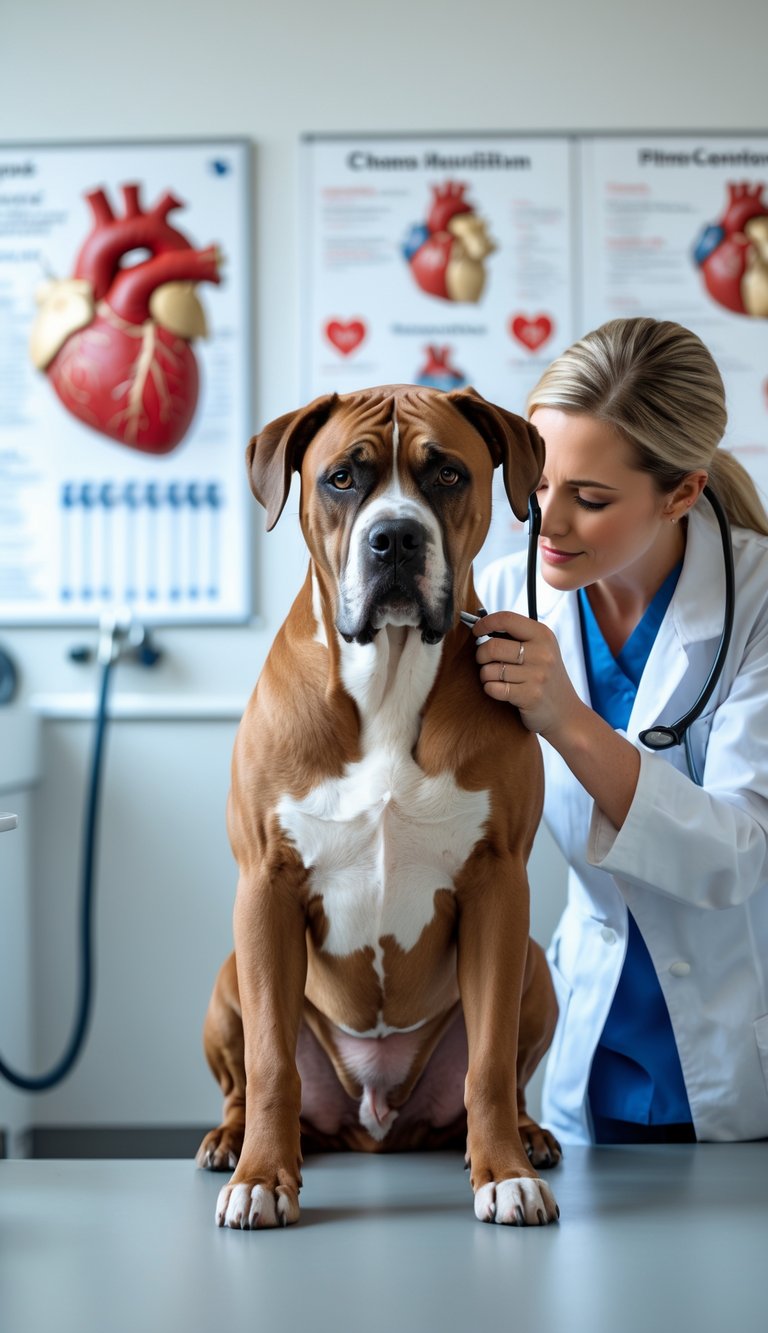
You should watch for signs of heart problems like dilated cardiomyopathy (DCM) in your Cane Corso. This condition makes the heart muscle weak and causes the heart chambers to enlarge. When this happens, the heart can’t pump blood well.
Your dog might seem tired more than usual or have trouble breathing. Swelling in legs or belly can also happen. These symptoms show the heart is struggling.
DCM can be caused by genetics or unknown reasons. It’s serious but sometimes manageable with the right care. Regular vet checkups can catch it early and help your dog live more comfortably.
4) Idiopathic Epilepsy causing seizures without known cause
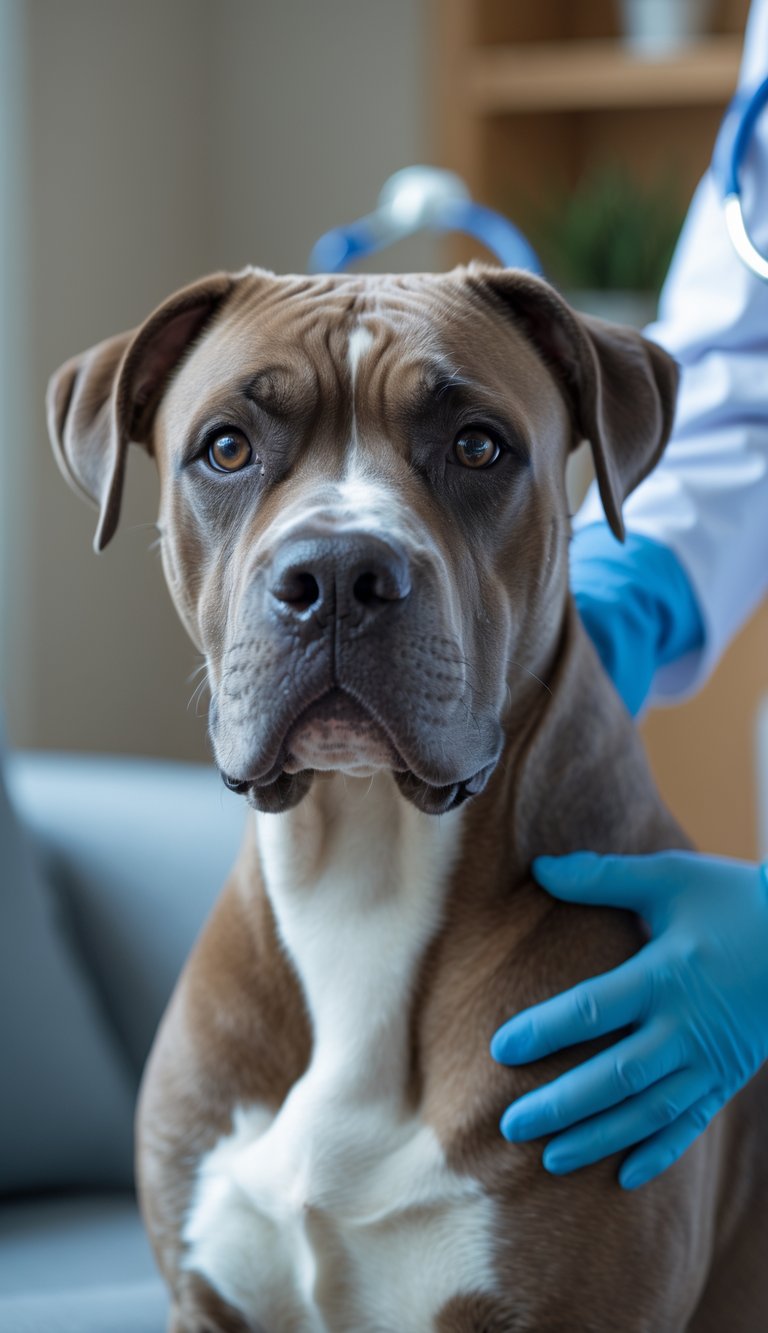
If your Cane Corso suddenly has seizures, idiopathic epilepsy might be the reason. This condition causes seizures with no clear cause, often linked to genetics. The exact cause is still unknown, but it usually starts between 1 and 5 years old.
Seizures can look like shaking, staring spells, or loss of control. You might see your dog confused or disoriented before or after a seizure. Early treatment helps manage symptoms and improves your dog’s quality of life.
Watching for seizures and talking to your vet is important. They can help find the best way to keep your Cane Corso safe and comfortable.
5) Obesity increasing strain on joints and health risks

If your Cane Corso becomes overweight, it can put extra pressure on their joints. This added strain can lead to pain and make movement harder for your dog.
Obesity also raises the risk of common joint problems like arthritis. You might notice your dog walking slower or having trouble climbing stairs.
Carrying extra weight can affect your dog’s overall health too. It increases the chance of other issues like heart problems and makes injuries more likely.
Keeping your Cane Corso at a healthy weight helps protect their joints and supports a longer, happier life. Regular exercise and balanced meals are key to avoiding obesity.
6) Skin Allergies resulting in itching, redness, and discomfort
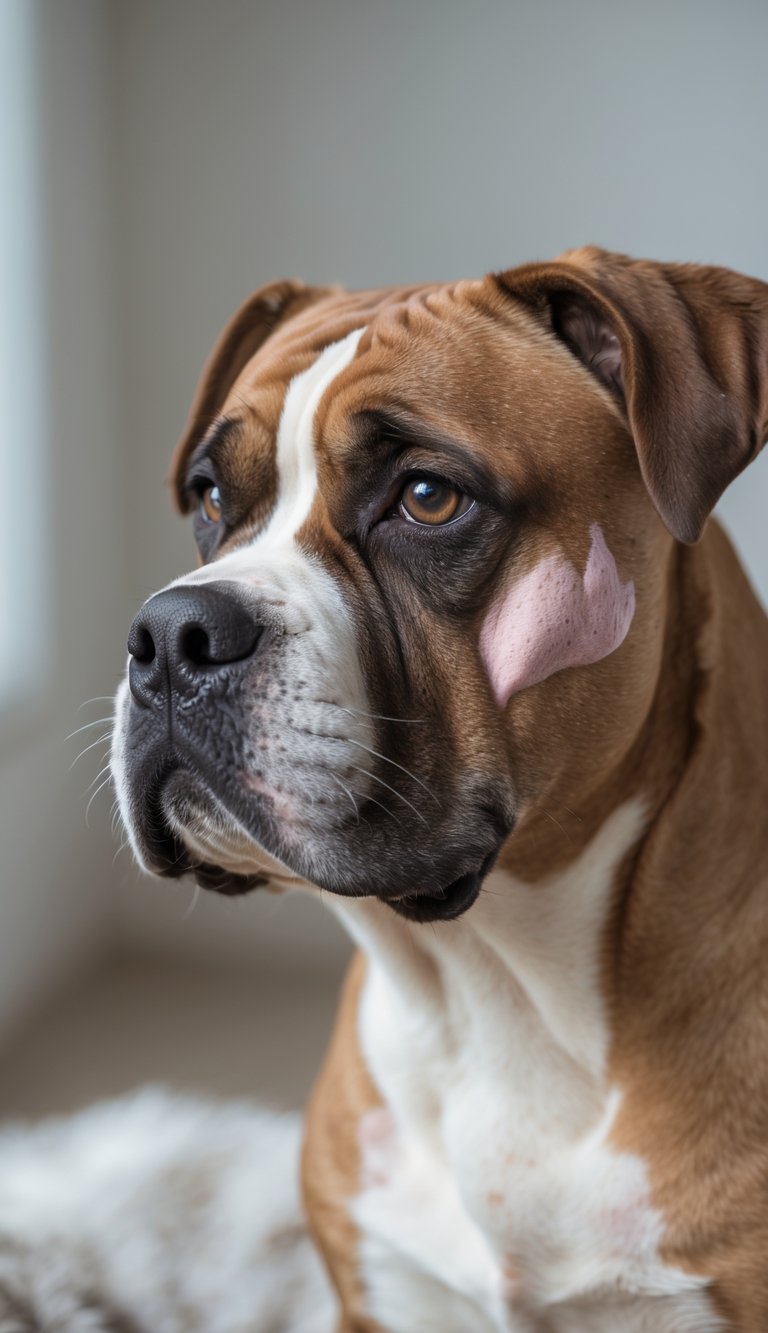
You might notice your Cane Corso scratching more than usual. Skin allergies can cause itching, redness, and irritation. These symptoms make your dog uncomfortable and can lead to more serious skin problems if left untreated.
Allergies can come from many sources like pollen, food, or even certain shampoos. Sometimes the skin gets red, swollen, or even bumpy. It’s important to watch for these signs early.
If your dog has constant itching or red patches, talk to your vet. They can help figure out the cause and recommend treatments. Managing allergies keeps your Cane Corso happy and healthy.
7) Elbow Dysplasia affecting elbow joints and causing lameness
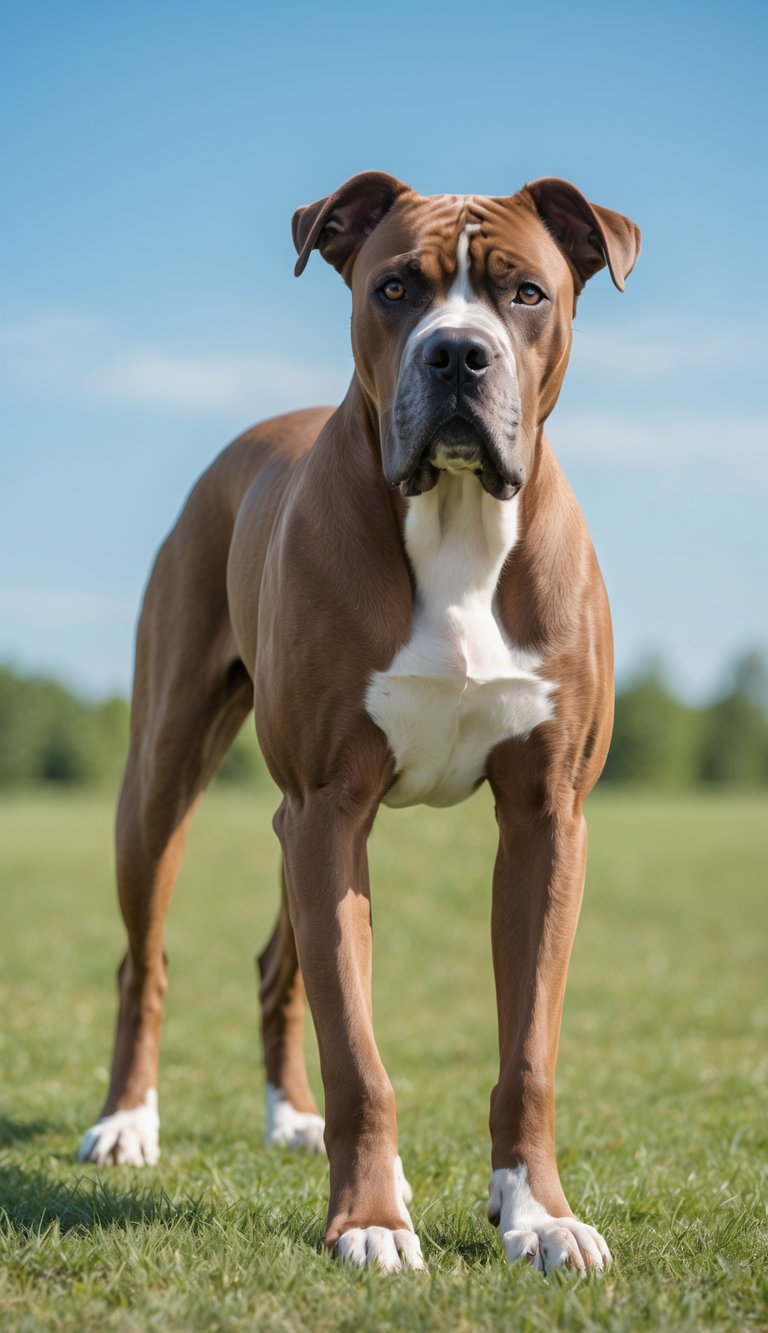
If your Cane Corso starts limping or showing trouble moving its front legs, elbow dysplasia might be the cause. This condition happens when the elbow joint doesn’t develop properly. It can cause pain, swelling, and reduced movement.
Elbow dysplasia is common in large breeds like yours. It usually shows up in puppies between 4 to 10 months old. You may notice your dog resting more or acting stiff after exercise.
The problem can get worse over time, leading to arthritis if not treated. Early vet visits are important if you see signs of lameness. Your vet can help with treatments to ease your dog’s pain and keep the joint working as well as possible.
8) Entropion where eyelids roll inward irritating the eye
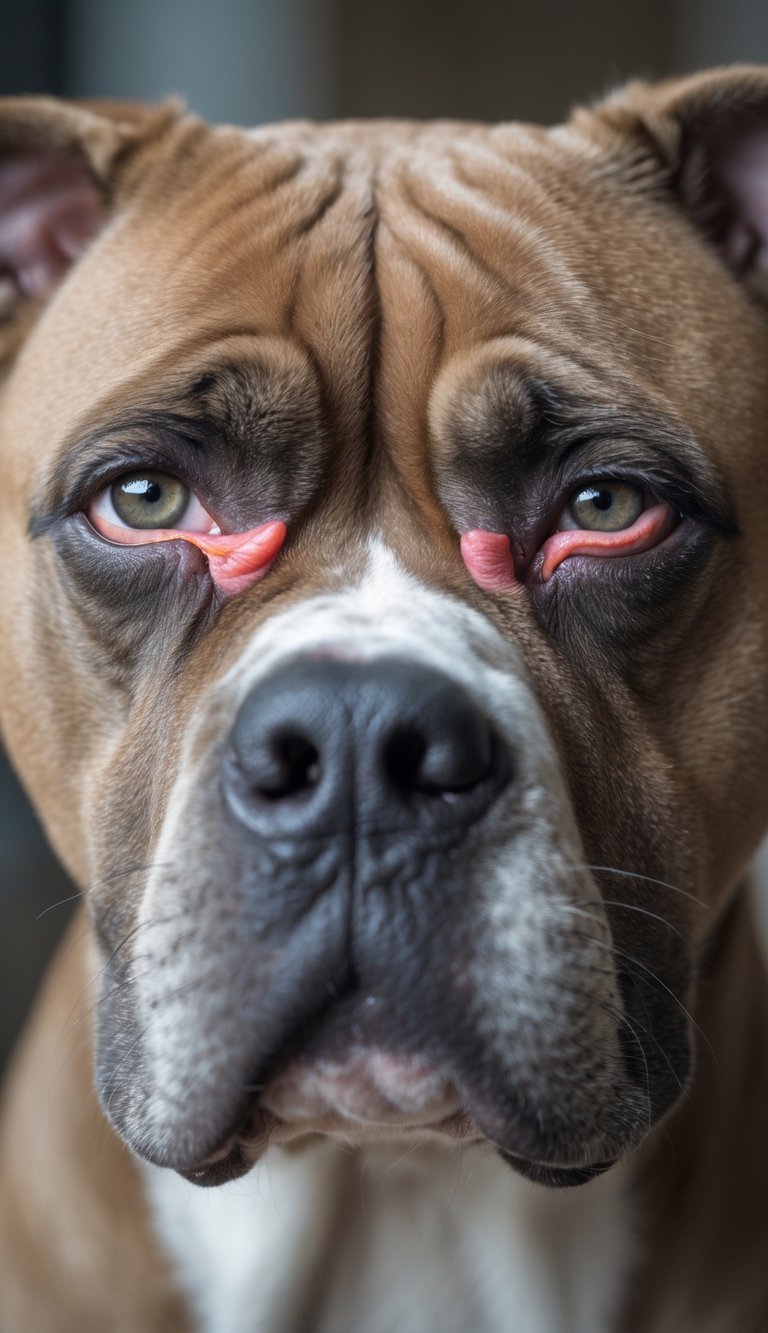
Entropion happens when your Cane Corso’s eyelids roll inward. This causes the eyelashes and skin to rub against the eye’s surface. It can make your dog uncomfortable and cause irritation.
You might notice your dog blinking a lot, squinting, or rubbing its eyes. Sometimes, the eye can look red or have discharge.
If left untreated, entropion can lead to more serious problems like corneal scratches or infections. A vet can check your dog’s eyes and suggest treatments. Surgery is often needed to fix this condition.
Keep an eye on any signs of eye discomfort to help your dog stay happy and healthy.
9) Hypothyroidism causing weight gain and lethargy

If you notice your Cane Corso is gaining weight without eating more, hypothyroidism could be the cause. This condition means your dog’s thyroid gland is not making enough hormones.
Your dog may also seem very tired or less active than usual. These signs develop slowly, so it might be easy to miss them.
Hypothyroidism can make it hard for your dog to stay energetic. If you see these changes, a visit to the vet can help confirm the problem and start treatment.
10) Cherry Eye involving prolapsed third eyelid gland
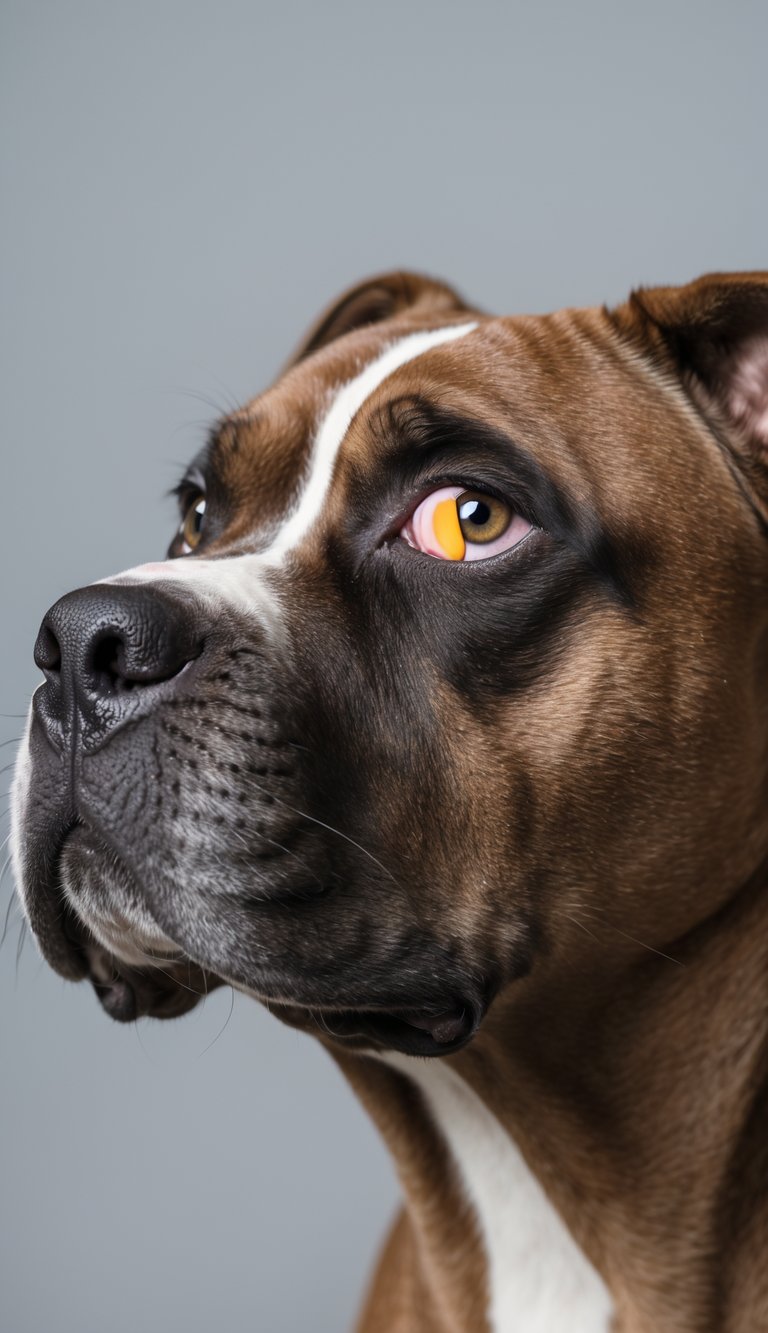
If you notice a red, swollen bump in the corner of your Cane Corso’s eye, it could be cherry eye. This happens when the third eyelid gland pops out of place. The gland helps produce about 30% of your dog’s tears, so it’s important.
Cherry eye is common in young dogs and certain breeds, including Cane Corsos. If left untreated, your dog could develop dry eye or infections.
Surgery is usually needed to put the gland back where it belongs. Treating cherry eye quickly helps protect your dog’s eyes and keeps them comfortable. Keep an eye out for any unusual eye changes to catch this problem early.