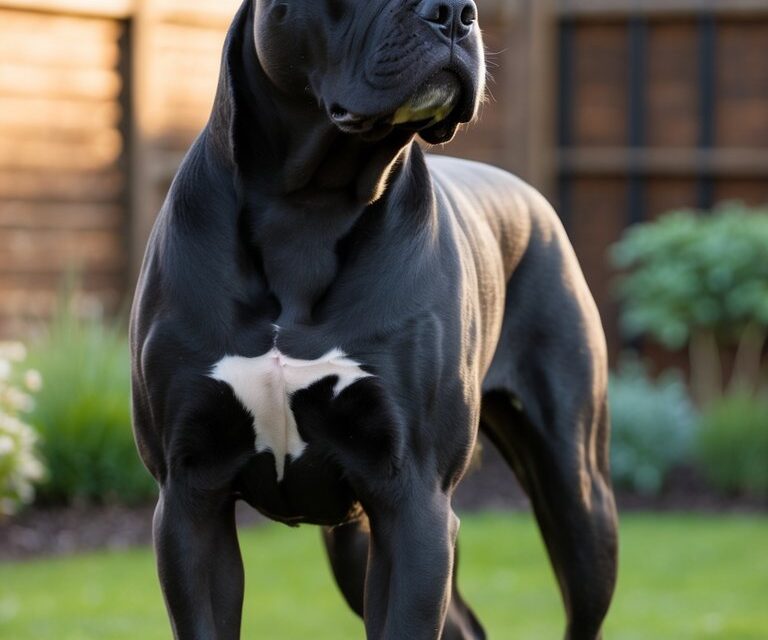
You’re about to dive into 25 fascinating facts that show why the Cane Corso stands out as a powerful protector and a devoted companion. You’ll learn what makes them great guard dogs, how their history shaped their temperament, and what caring for one really involves.

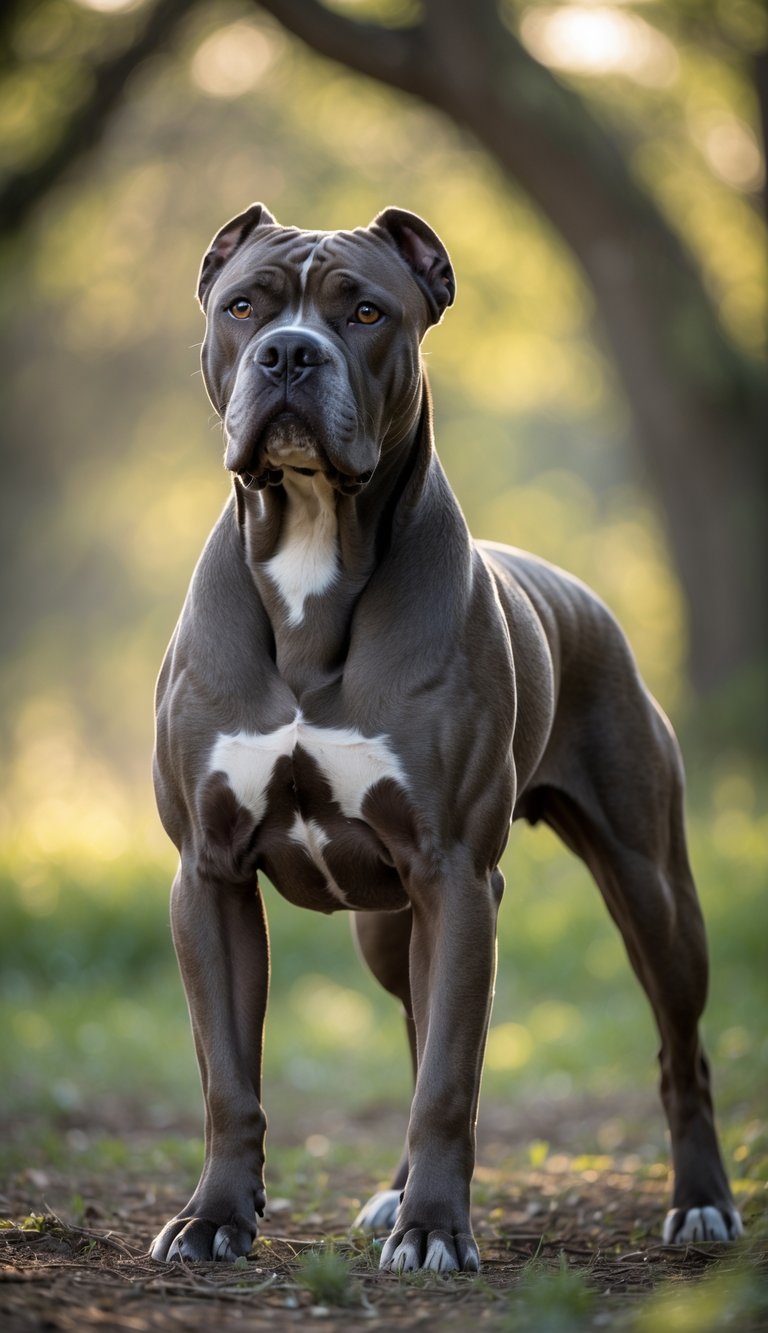
Expect clear, practical insights on their size, training needs, health, and behavior so you can decide if this noble, strong breed fits your life. The article will also cover grooming, exercise, socialization, and the key things experienced owners do to raise a balanced Cane Corso.
1) The Cane Corso originates from ancient Italy, bred as a guard dog and hunter.
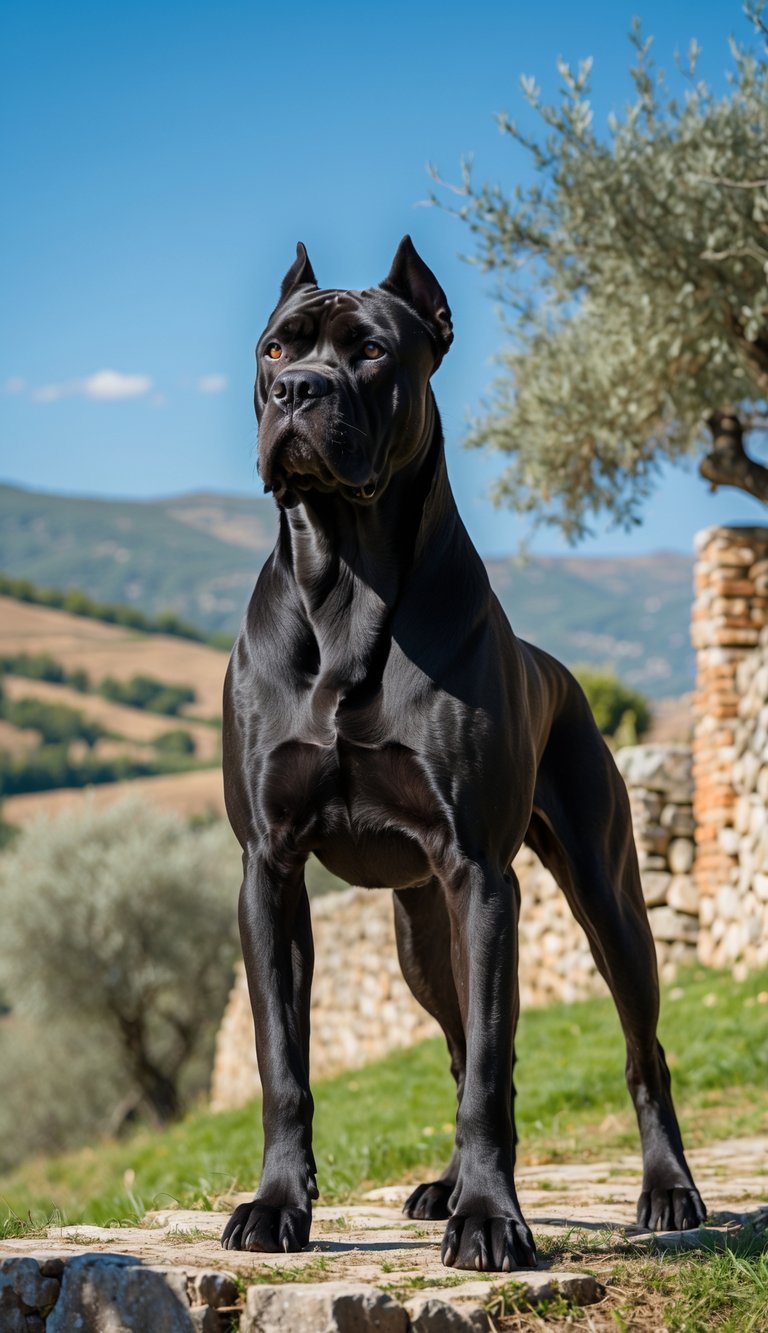
You can trace the Cane Corso back to ancient Italy, where people bred strong, fearless dogs for work. These dogs protected homes, farms, and families from thieves and wild animals.
Your Corso’s ancestors served as hunters too, helping to track and hold large game like wild boar. That history explains why the breed stays alert, powerful, and focused on tasks.
When you meet a Cane Corso today, you see a blend of guardian instincts and working ability. Training and socializing your dog helps channel those traits into calm, reliable behavior.
2) They are known as ‘gentle giants’ due to their protective yet affectionate nature.

You will notice a Cane Corso’s size first, then its calm manner. They look imposing but often move and act with quiet confidence around family.
These dogs bond closely to their people and show affection in steady, clear ways. They enjoy being near you and can be surprisingly tender with children when properly socialized.
At the same time, a Corso stays alert and ready to protect your home. Their guarding instincts mean they watch the household closely, but they rarely show unnecessary aggression when trained and handled respectfully.
3) Adult males typically weigh between 90 to 120 pounds, showcasing their muscular build.
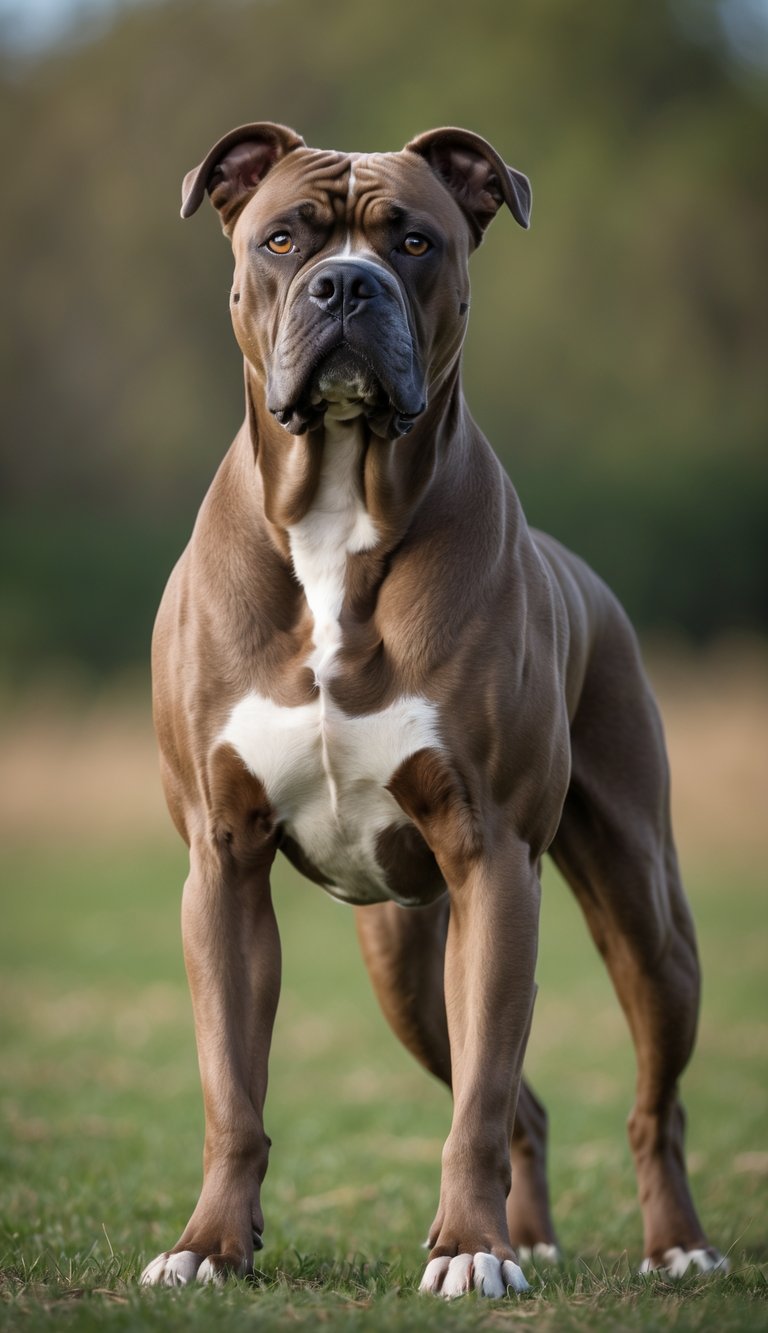
When you meet a male Cane Corso, you’ll notice his heavy, muscular frame right away. Males usually fall in the 90–120 pound range, though some healthy individuals may be slightly lighter or heavier.
That weight supports strong bones and powerful muscles. You should provide regular exercise to keep his body fit and prevent excess weight.
Proper feeding matters a lot for your Corso’s health. Choose a balanced diet and check weight and body condition often to make sure he stays strong but not overweight.
4) Their large, broad head is one of their most distinctive features.

You’ll notice a Cane Corso’s head before anything else. Its broad skull and powerful jaw give the dog a bold, commanding look that often turns heads on walks.
That big head isn’t just for show. It supports strong muscles used for gripping and carrying, traits bred into the dog for protection and working tasks.
Your Corso’s head also affects fit for gear. Collars and harnesses should be sturdy and well-sized to sit comfortably without rubbing.
Meetups with strangers may start with people staring. Teach your dog calm greetings so their impressive head becomes a friendly conversation starter.
5) Cane Corsos have a short coat that comes in various colors including black, gray, fawn, and brindle.

You’ll notice a Cane Corso’s coat is short and dense, which makes grooming quick and simple. The coat lies close to the body and shows off the dog’s strong build.
Colors include solid black, gray (often called blue), fawn, and multiple brindle patterns. Some dogs show a dark mask on the face, which is common and adds to their expressive look.
Rare shades like formentino or dilute colors appear occasionally, but standard colors are most common. Regular brushing keeps the coat healthy and reduces loose hair around your home.
6) They are highly intelligent and respond well to consistent training.
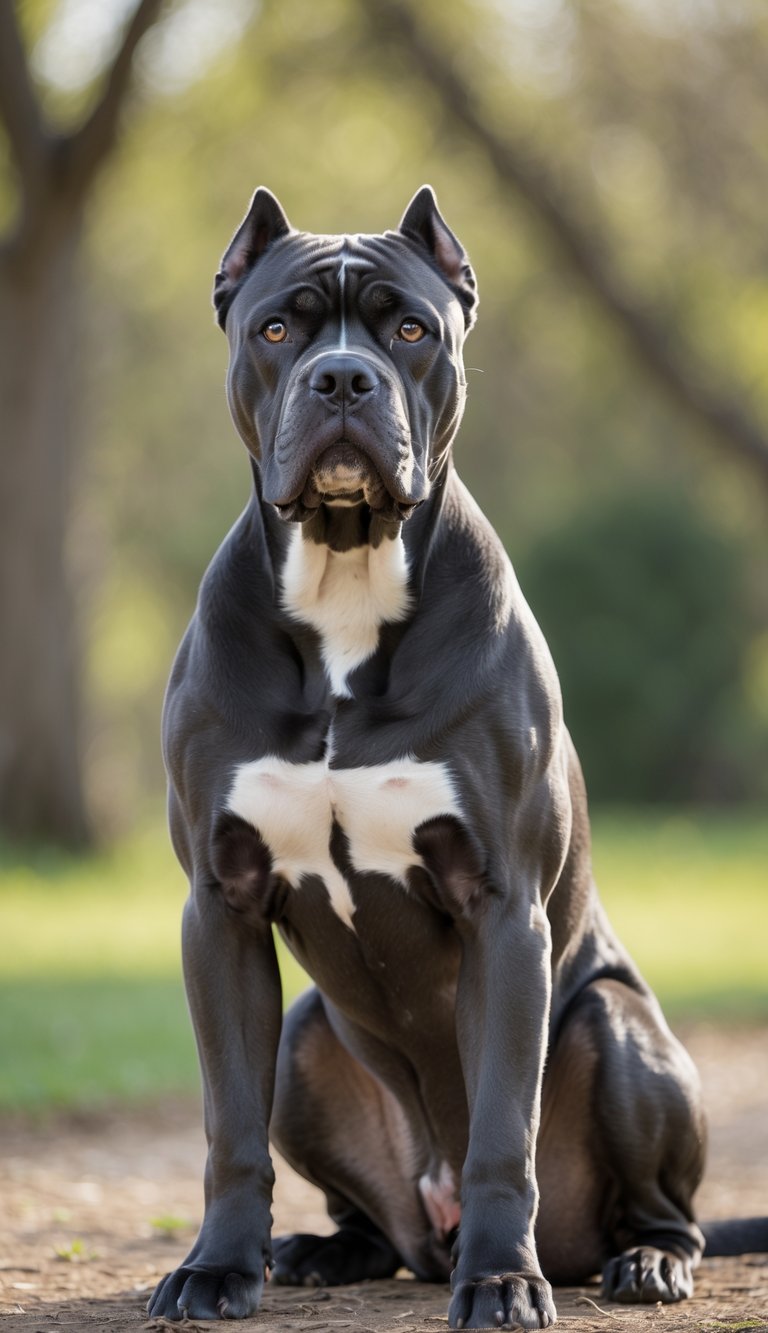
You’ll find Cane Corsos are quick learners who pay attention to clear cues. With consistent rules, they pick up commands faster than many large breeds.
Use short, regular training sessions to keep your dog focused. Positive reinforcement, like treats and praise, helps them enjoy learning and repeat good behavior.
Start socialization and basic obedience early to build trust and control. When you set steady boundaries, your Cane Corso becomes a more reliable family member and protector.
Stay patient and firm. Their intelligence means they notice mixed signals, so consistency makes training easier and safer for everyone.
7) Despite their imposing appearance, Cane Corsos are very loyal and bond closely with family members.

You’ll notice a Cane Corso’s strong presence the first time you meet one, but that strength often hides a soft side. They form tight bonds with their people and want to be part of daily life.
Your Corso will watch over family members and show clear loyalty. They seek direction from you and respond best to calm, confident leadership.
When socialized well, a Corso can be gentle with children and affectionate with owners. Expect devotion rather than constant attention; they guard and protect, then relax at your side.
8) They require regular exercise to maintain their physical and mental health.
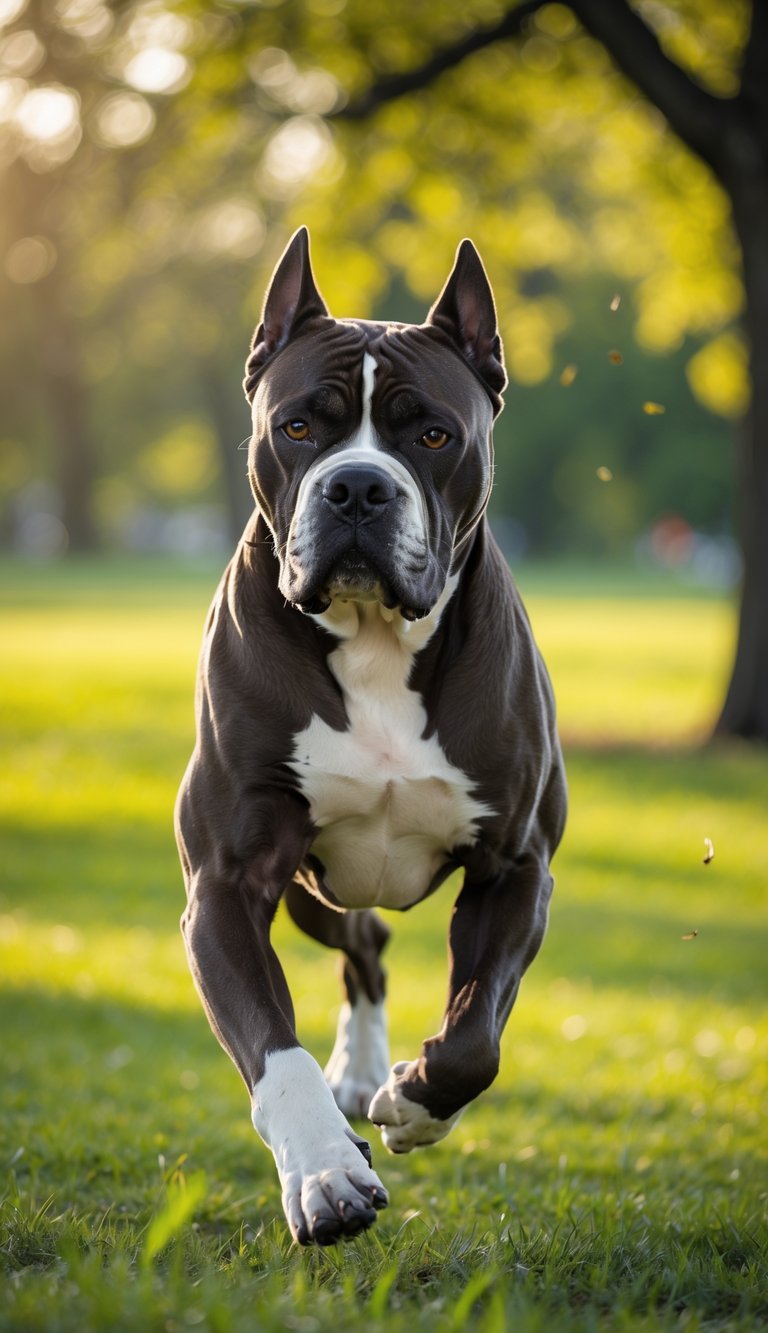
You need to give a Cane Corso daily activity to keep them happy and healthy. These dogs are muscular and energetic, so short walks won’t be enough by themselves.
Aim for a mix of brisk walks, play sessions, and mental challenges like scent games or obedience drills. Regular exercise helps prevent boredom, which can lead to chewing or digging.
Puppies need shorter, gentler sessions to protect growing joints, while adults benefit from longer, more vigorous outings. If you can’t walk much, try structured play or puzzle toys to tire them out.
Consistent activity also strengthens your bond and makes training easier, so plan exercise into your routine.
9) The breed has a natural protective instinct, making them excellent guard dogs.
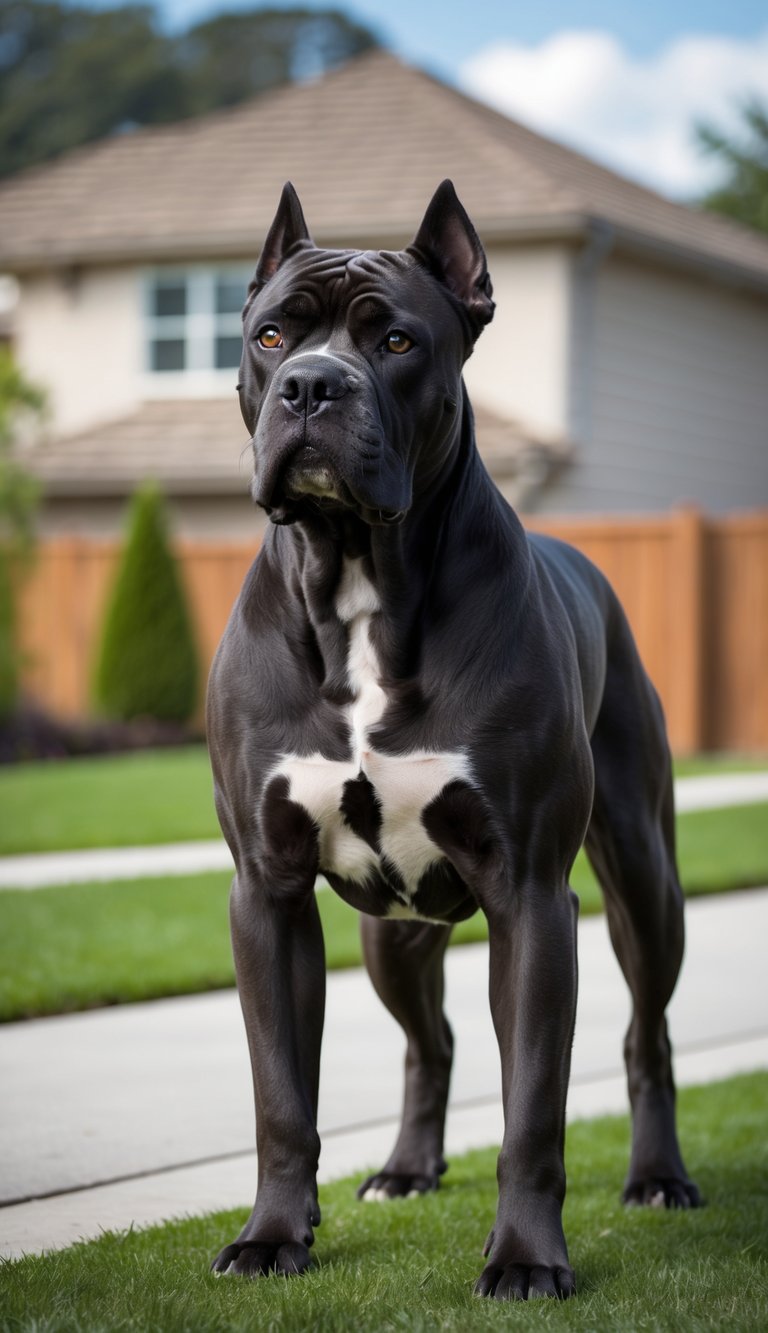
You will notice a Cane Corso watches over its home with calm focus. They read the room, sensing strangers and changes in routine quickly.
Your Corso protects without constant barking. They use posture, deep growls, and a steady presence to warn off threats.
You must train and socialize them early to channel that instinct safely. With clear rules, your dog becomes a reliable guardian who also enjoys family life.
You should expect a loyal, confident dog that bonds closely with you. Their protective nature fits homes where owners provide firm leadership and consistent care.
10) Socialization from a young age is crucial to prevent aggressive tendencies.

You should start socializing your Cane Corso puppy as soon as it is safe. Early exposure to people, other dogs, and new places helps your dog learn what is normal.
Use calm, positive experiences to build your pup’s confidence. Short, frequent sessions work best and keep things fun for both of you.
Meet different ages and types of people so your Corso won’t fear strangers. Puppy classes and supervised playdates can help teach gentle play and good manners.
Keep training consistent as your dog grows. Ongoing socialization reduces fear, lowers stress, and helps prevent unwanted aggression.
11) Cane Corsos tend to live between 10 to 12 years.
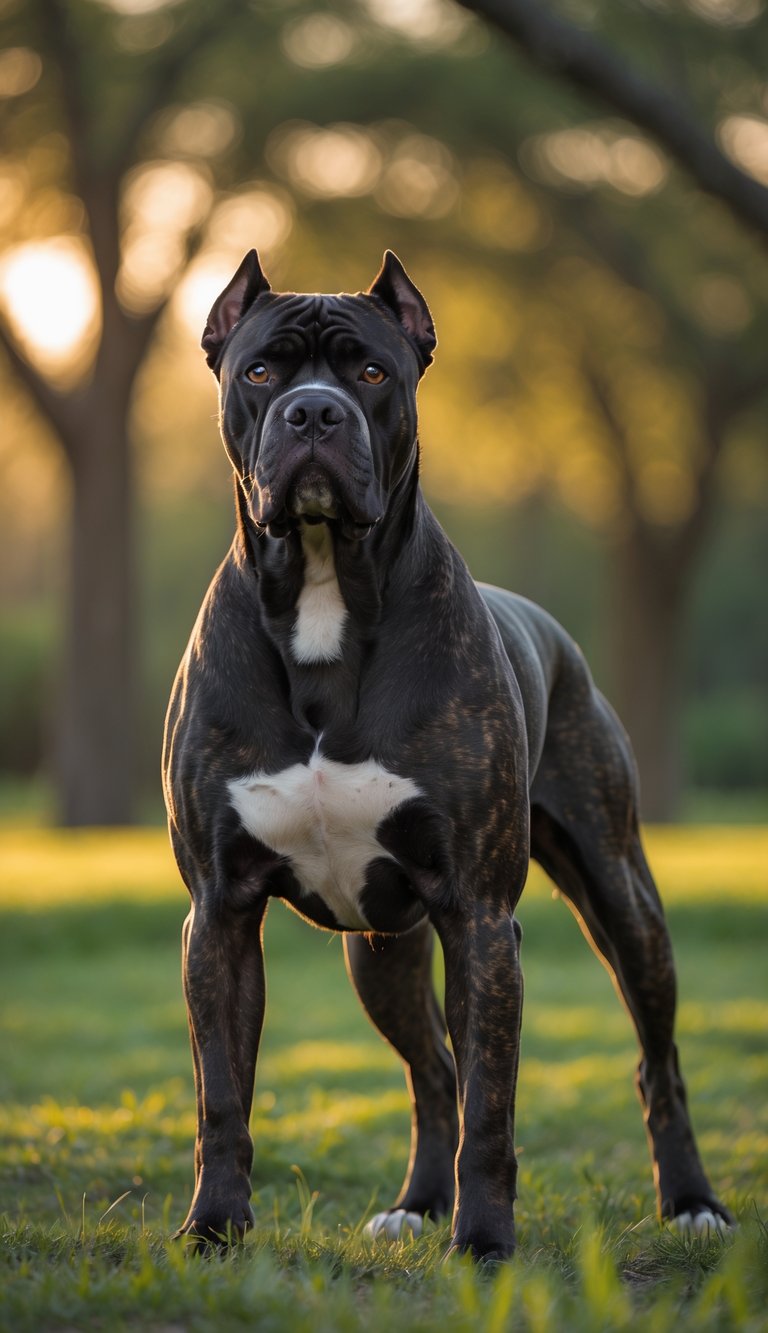
If you bring a Cane Corso into your life, expect about 10 to 12 years on average. Large breeds like the Corso often have shorter lifespans than smaller dogs, but good care can make a real difference.
You can help extend your dog’s life with regular vet checkups, a balanced diet, and steady exercise. Watching for common health issues and catching them early gives your Corso the best chance to stay healthy.
Genetics also matter, so choose a responsible breeder and ask about the parents’ health history. With attention and love, you can give your Corso happy, healthy years by your side.
12) They have a calm demeanor but can be wary of strangers.
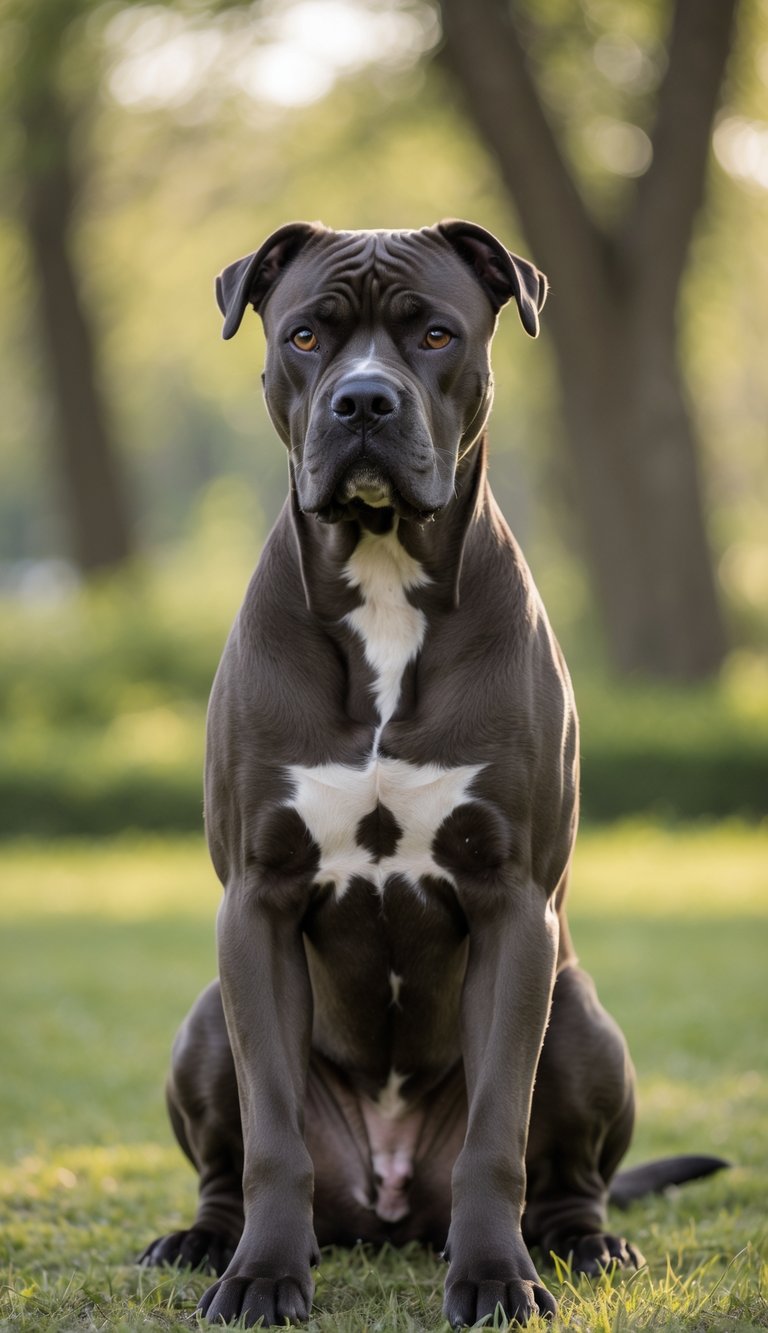
You’ll notice a Cane Corso often moves with quiet confidence at home. They stay calm around family and rarely act hyperactive.
When strangers appear, your dog may become alert and cautious. That watchful side comes from their history as a guard dog, not from needless aggression.
Proper socialization and training help your Corso tell friend from foe. With steady guidance, they learn to stay relaxed around new people while still protecting your home.
13) This breed was nearly extinct after World War II but has made a strong comeback.

You might be surprised to learn the Cane Corso almost disappeared after World War II. Many dogs died or were abandoned, and the breed lost much of its population and traditional working roles.
Breeders in Italy worked hard to find the remaining dogs and rebuild the bloodlines. Their efforts in the 1970s and 1980s helped bring the breed back into farms and homes.
Today you can see the results of that recovery in the Corso’s growing popularity worldwide. Responsible breeders and breed clubs continue to protect health and standards so your future Corso has a better chance at a long, healthy life.
14) They excel in activities like obedience, agility, and protection sports.
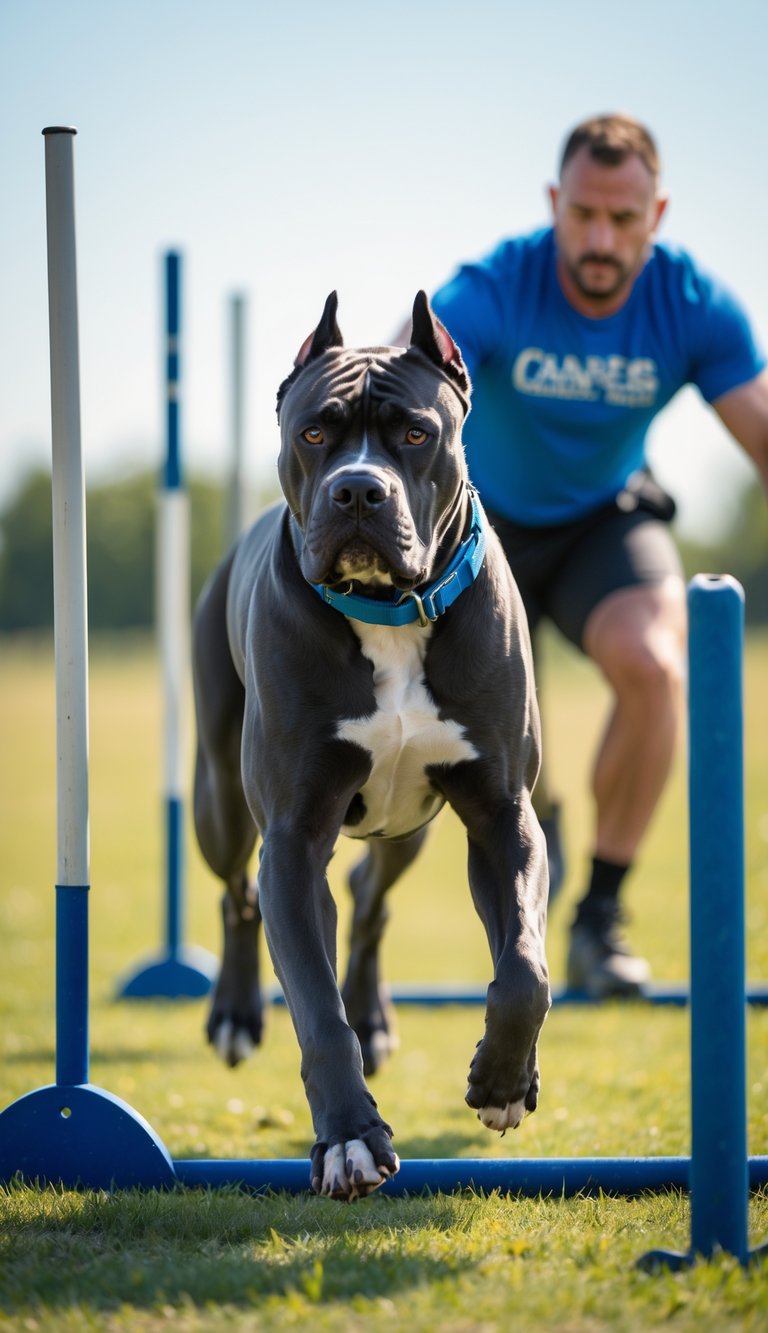
You can train a Cane Corso to do well in obedience because they learn fast and respond to firm, fair guidance. They like having a job, and clear rules help them shine.
In agility, their power and surprising speed give them an edge for short bursts and obstacle work. You’ll need to build fitness and confidence slowly, because their size can make some courses harder.
Protection sports suit their natural guarding instincts when you train ethically and safely. If you want to try these sports, join a club and work with experienced trainers to keep your dog focused and well-balanced.
15) Their powerful jaws are capable of exerting a strong bite force.
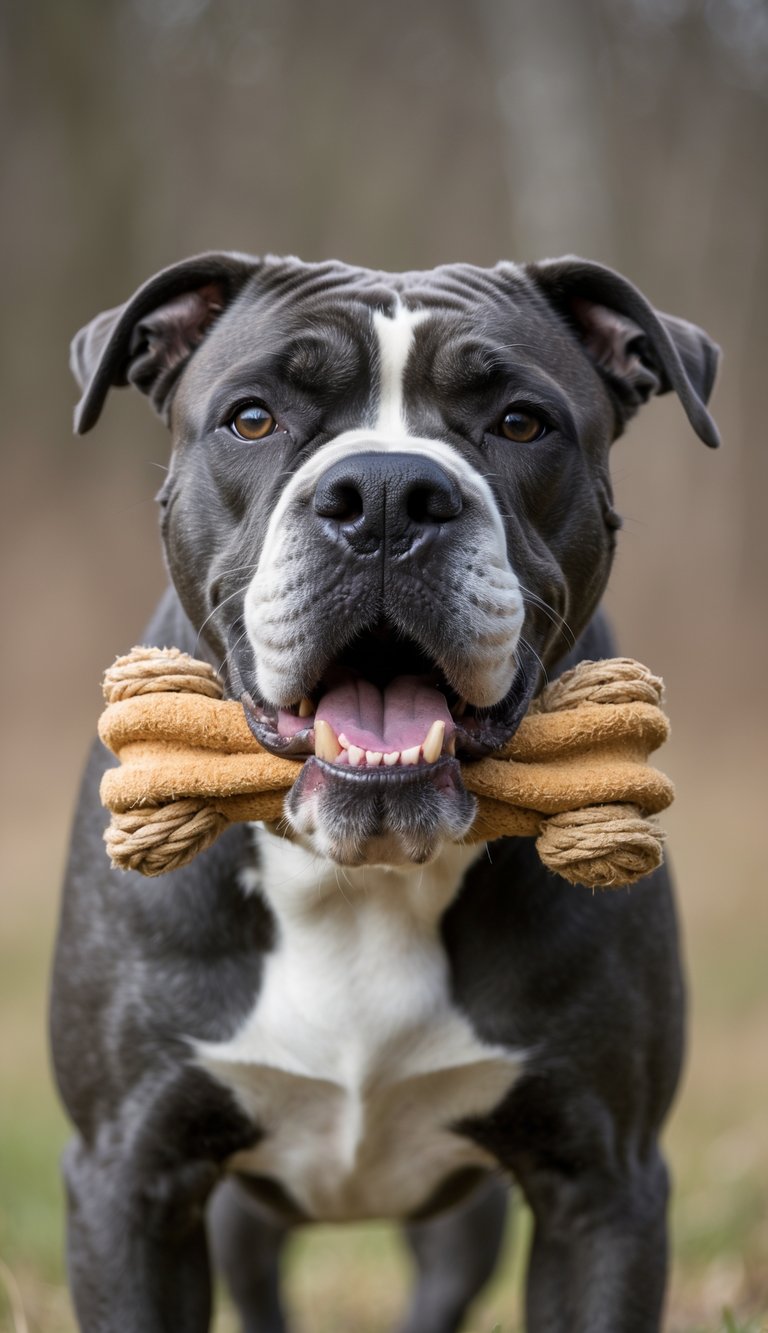
You should know the Cane Corso has very strong jaws built for gripping and holding. Their masseter muscles and wide skull give them the power needed for tasks like hunting and protection.
You must handle them carefully and train them early. Good socialization and clear rules help you control that strength.
If you plan to own one, use a secure leash and proper training tools. A vet or a professional trainer can show you safe ways to manage their bite and teach reliable obedience.
16) They do best in homes with experienced dog owners due to their size and strength.
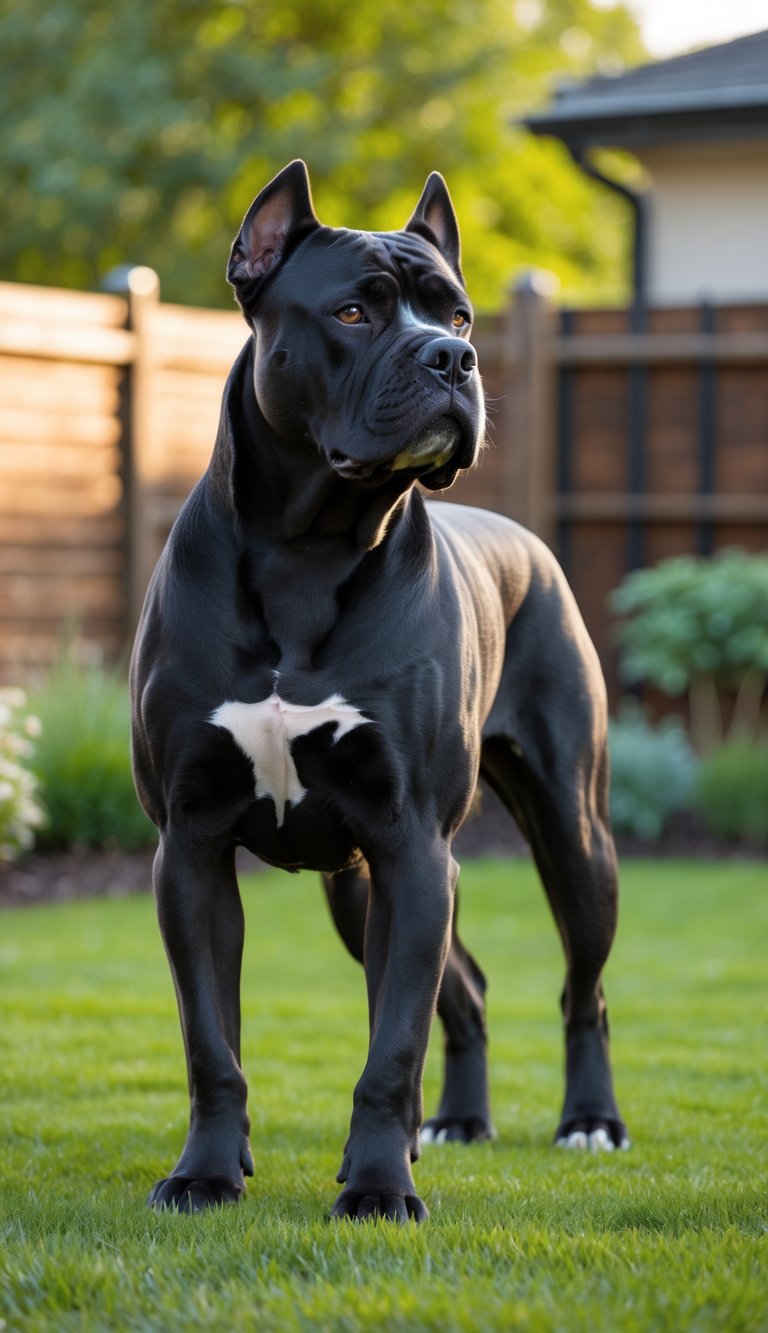
If you choose a Cane Corso, expect a big, powerful dog that needs calm, confident handling. You must know how to set clear rules and lead with steady, consistent training.
Their size and strength can be hard to manage without experience. You will need to teach them leash manners, recall, and basic obedience early to prevent problems.
Socialization matters a lot, too. Introduce your Corso to people, places, and other animals so they learn how to behave in different situations.
Experienced owners can read subtle body language and correct behavior without harshness. That skill helps keep both you and your dog safe and happy.
17) Cane Corsos are known for their intelligence and problem-solving abilities.

You’ll find Cane Corsos think fast and learn quickly. They pick up commands with fewer repetitions than many breeds, especially when training stays consistent and positive.
Your Corso can solve practical problems, like opening gates or figuring out how to reach a favorite toy. That same savvy makes them good at tasks such as guarding, tracking, and learning household rules.
You must give clear guidance and steady leadership. Without direction, their cleverness can turn into stubbornness or testing boundaries, so firm, fair training keeps their mind busy and focused.
18) They can be protective of other pets if not socialized properly
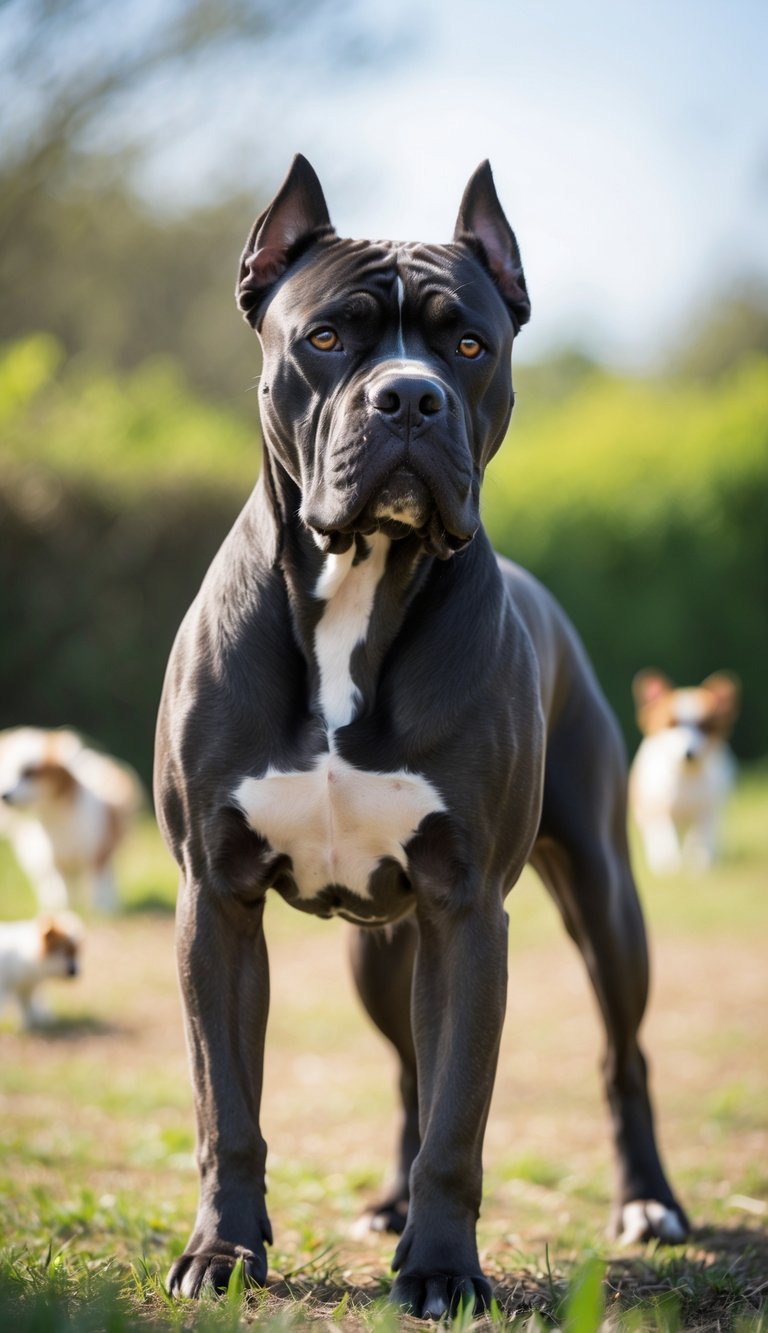
You might expect a Cane Corso to guard people, but they can also guard other animals in your home. Without early socialization, they may view new pets as threats and try to dominate or exclude them.
Introduce your Corso to other animals slowly and often when it’s a puppy. Supervised, calm meetings help your dog learn normal pet behavior and signals.
Use positive rewards for relaxed interactions so your Corso links other pets with good things. If you see tense body language or chasing, step in and separate them until you can retrain the behavior.
If problems persist, work with a trainer who knows mastiff breeds. A pro can show you how to set boundaries and build safe, peaceful coexistence.
19) This breed is relatively quiet but will bark to alert owners of potential threats.
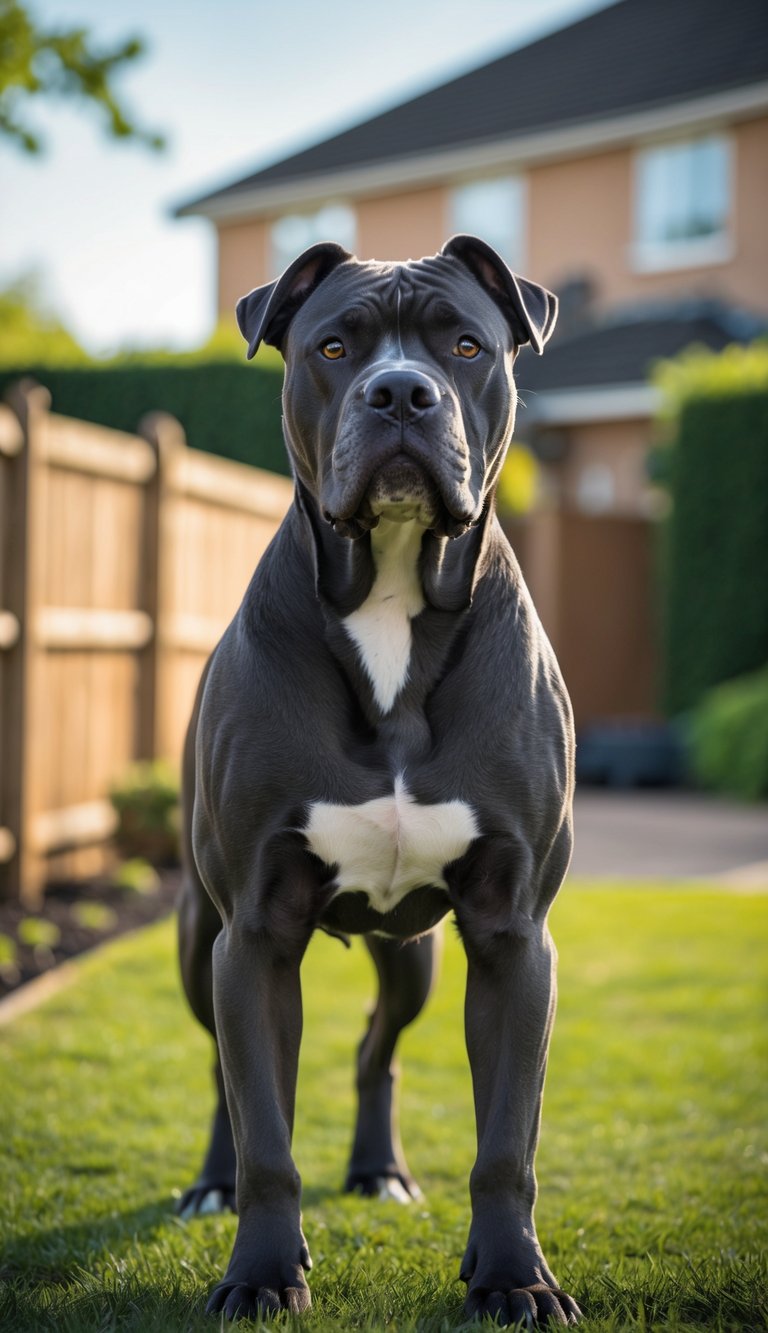
You’ll find the Cane Corso is not a yappy dog. They tend to stay calm indoors and don’t bark at every little sound.
When something seems wrong, your Corso will use its deep, booming bark to warn you. That bark is deliberate — meant to alert, not to annoy.
Training and socialization help your dog learn when barking is appropriate. With clear rules, your Corso will know to stay silent most of the time and to speak up when it matters.
Because they are protective by nature, your Cane Corso’s alerts can give you real peace of mind.
20) Their ears are often cropped in some countries, though it’s becoming less common.
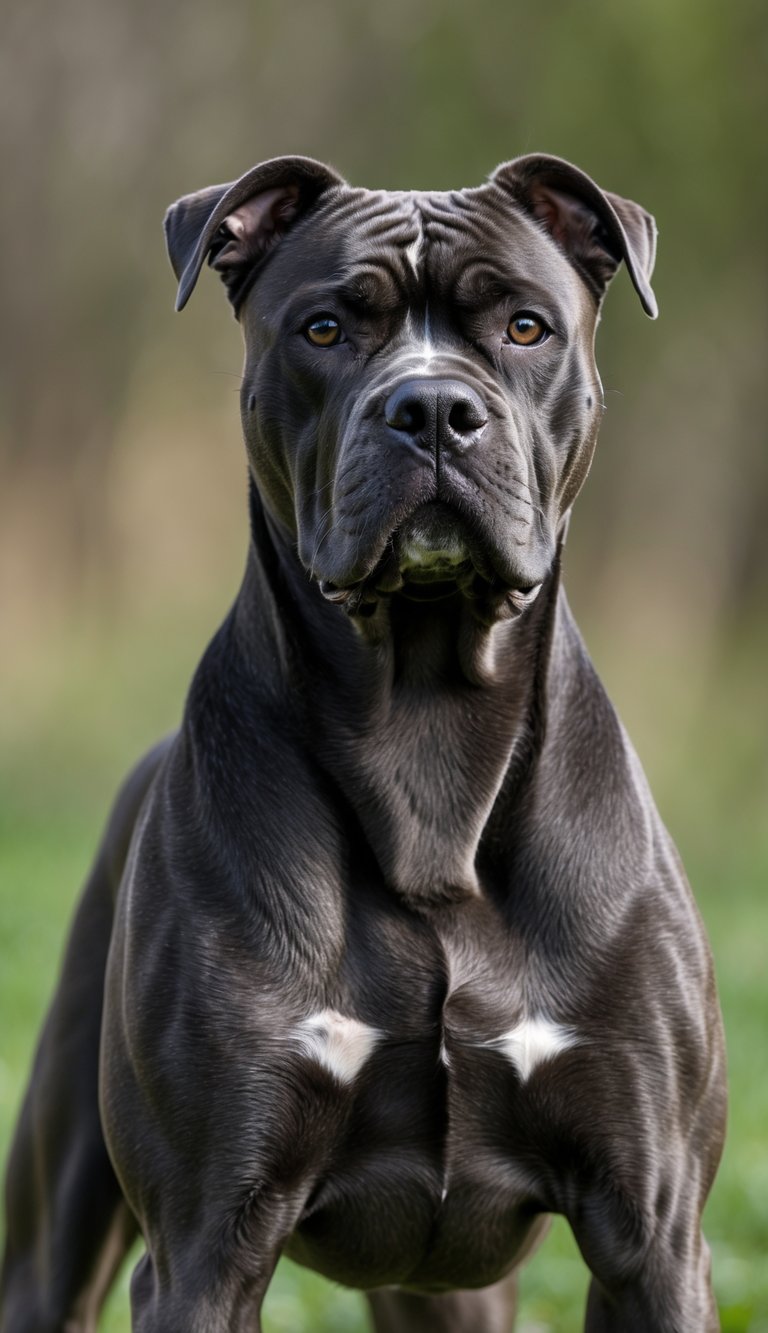
You may see Cane Corsos with cropped ears, a look many people find striking. In some places, owners crop ears for tradition, show standards, or a perceived working-dog appearance.
Laws and opinions are changing, so cropping is less common now. Many vets and animal groups oppose the surgery because it is cosmetic and carries risks like pain and infection.
If you consider cropping, talk with a vet about risks, legal rules, and humane alternatives like ear grooming. Your choice affects your dog’s comfort and public perception, so weigh traditions against your pet’s welfare.
21) Cane Corsos need a balanced diet to support their muscle mass and energy.

You should feed your Cane Corso a diet high in quality animal protein to help build and maintain muscle. Aim for foods that list meat as the first ingredient and contain at least about 23% protein for adults.
Include moderate fat for energy, but avoid excess calories that cause weight gain. Balanced vitamins and minerals help joints and overall health, especially for large, slow-maturing dogs.
Puppies need more frequent meals with higher protein and fat to support fast growth. Talk with your vet to set the right portion sizes and choose food tailored to your dog’s life stage and activity level.
22) They shed moderately and require regular grooming to keep their coat healthy.

Your Cane Corso has a short, dense coat that sheds at a steady, moderate rate. You will notice more loose hair in spring and fall when they shed a bit more.
Brush your dog once or twice a week to remove dead hair and spread natural oils. A rubber curry brush or firm bristle brush works well for their coat type.
Bathe your Corso only when needed to avoid drying their skin, and trim nails regularly. Watch for skin issues or heavy shedding; if that happens, check diet and see your vet.
23) Proper training and leadership are key to managing their natural dominance.
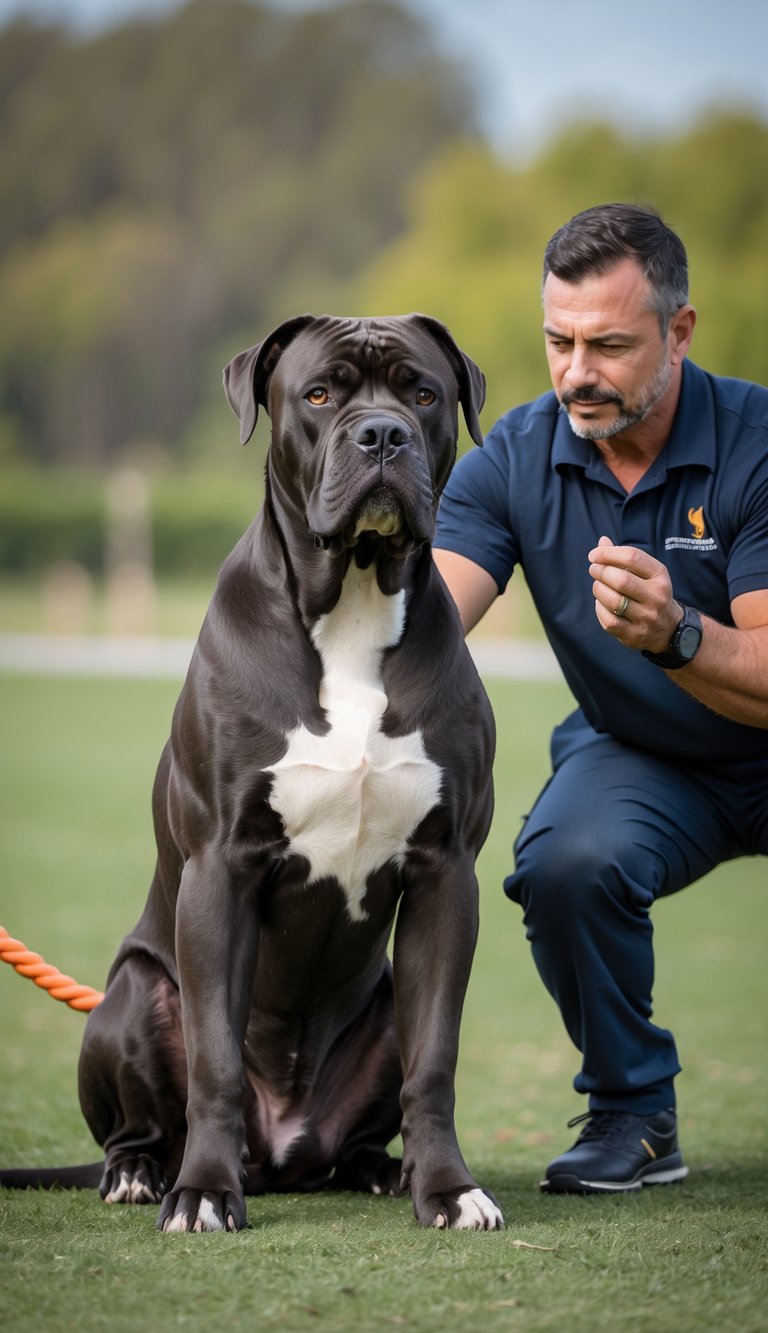
You need to show calm, consistent leadership from the start. Cane Corsos respect clear rules and steady guidance more than force.
Start training early with short, regular sessions. Use positive rewards and firm boundaries so your Corso learns what behaviors earn praise.
Socialize your dog with people and other animals often. This helps reduce fear-based reactivity and teaches your Corso how to behave in new situations.
Teach basic obedience first—sit, stay, recall—and build up to more complex skills. Consistent expectations and patient correction keep your dog confident and controllable.
24) They have been used historically for hunting wild boar and as cattle herders.
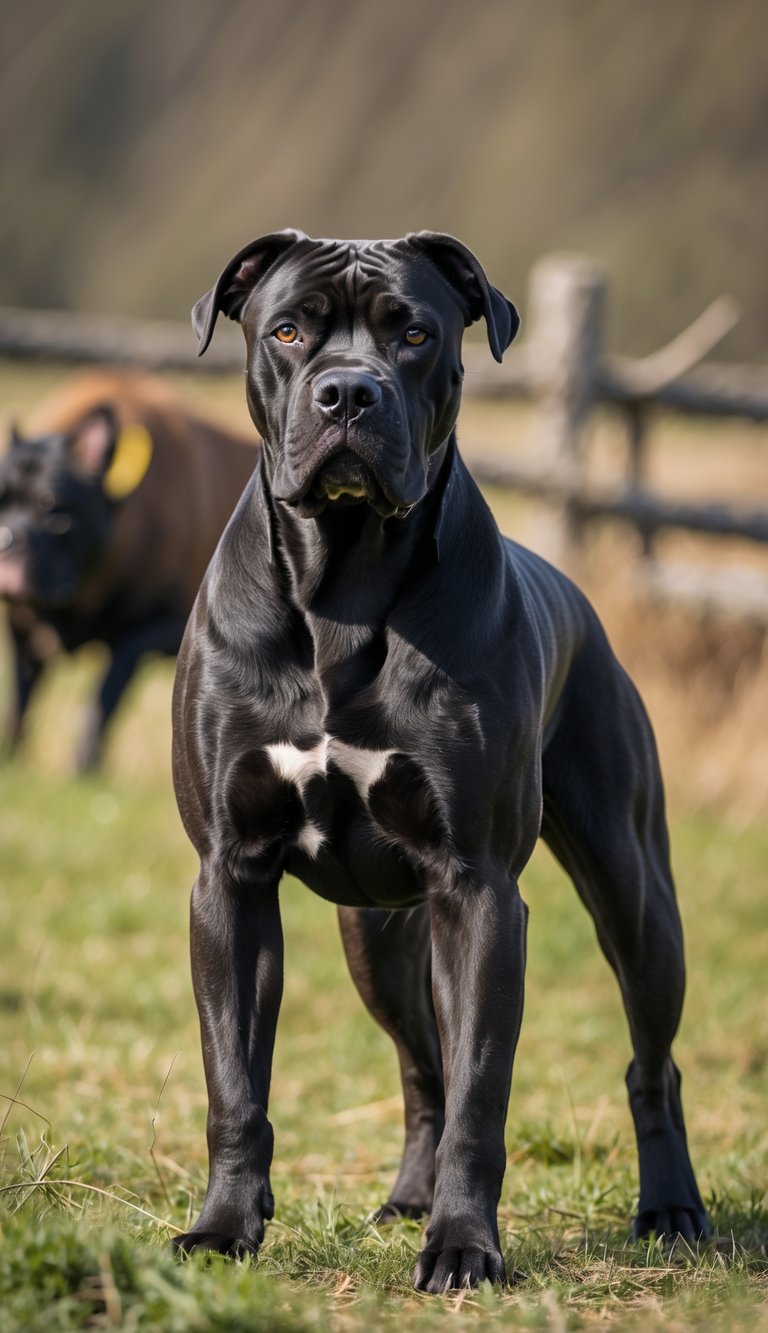
You can trace the Cane Corso back to rural Italy, where farmers used them for tough jobs. They helped hunt wild boar, facing strong animals and holding them until hunters arrived.
On farms, your Corso could move and guard livestock. They learned to control cattle and protect herds from predators or thieves.
Their size and calm confidence made them useful in these roles. With training, your Cane Corso showed both the power to handle big game and the steadiness needed around farm animals.
25) This breed forms strong bonds and can suffer from separation anxiety

You will find a Cane Corso becomes deeply attached to its family. These dogs like close contact and often follow you around the house.
If left alone for long periods, your Corso can grow anxious and act out. You might see pacing, barking, or chewing as signs that they are stressed.
You can reduce anxiety by giving your dog steady routines and plenty of mental work. Short training sessions, puzzle toys, and regular walks help your Corso feel secure.
Consider gradual alone-time practice and positive reinforcement. If problems persist, talk with a trainer or your vet for tailored help.