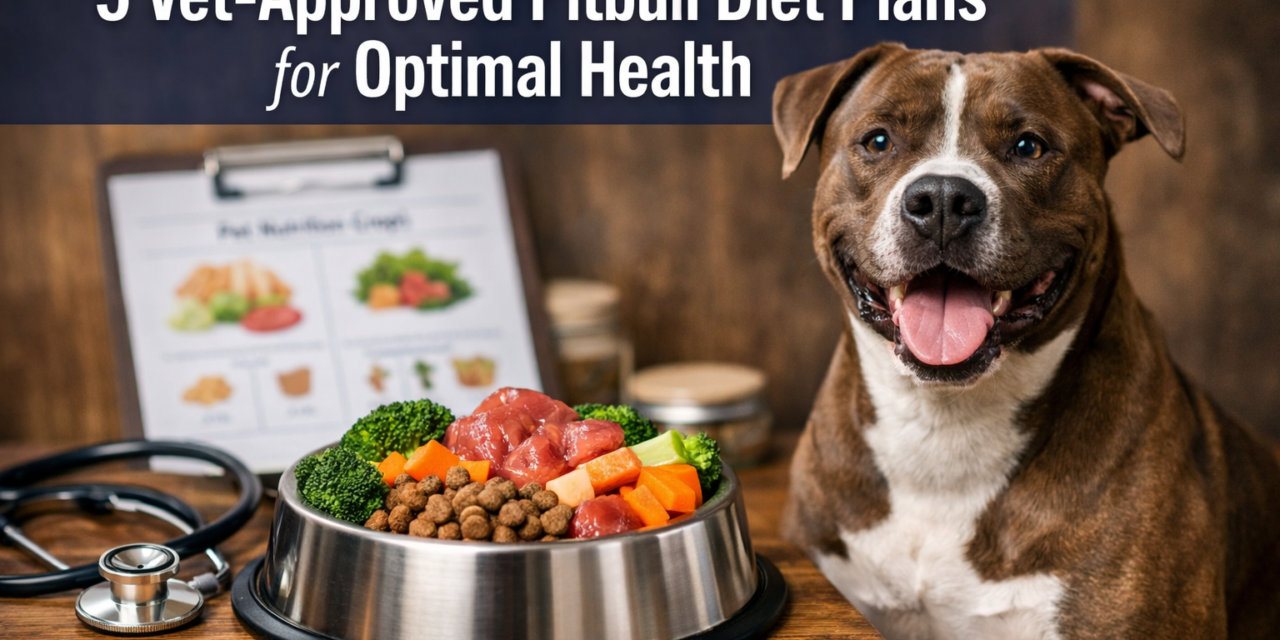
Picture this: Your beloved Pitbull bounds toward you with endless energy, their coat gleaming in the sunlight, muscles rippling with strength, and eyes sparkling with vitality. This vision of perfect health doesn’t happen by accident—it starts with what goes into their food bowl every single day. As one of the most athletic and energetic dog breeds, Pitbulls require carefully planned nutrition to maintain their powerful physique and support their active lifestyle. The 5 Vet-Approved Pitbull Diet Plans for Optimal Health outlined in this comprehensive guide will help dog lovers make informed decisions about their furry companion’s nutritional needs, ensuring they thrive for years to come.

Key Takeaways
- Pitbulls require high-protein diets (25-30% protein content) to maintain their muscular build and energy levels
- Five veterinarian-approved diet plans exist: commercial kibble, raw food diet, homemade cooked meals, grain-free options, and combination feeding
- Individual needs vary based on age, activity level, health conditions, and allergies—always consult your veterinarian before changing diets
- Portion control and consistent feeding schedules prevent obesity and digestive issues in Pitbulls
- Quality ingredients matter more than price—look for named meat sources as the first ingredient and avoid fillers
Understanding Your Pitbull’s Nutritional Needs
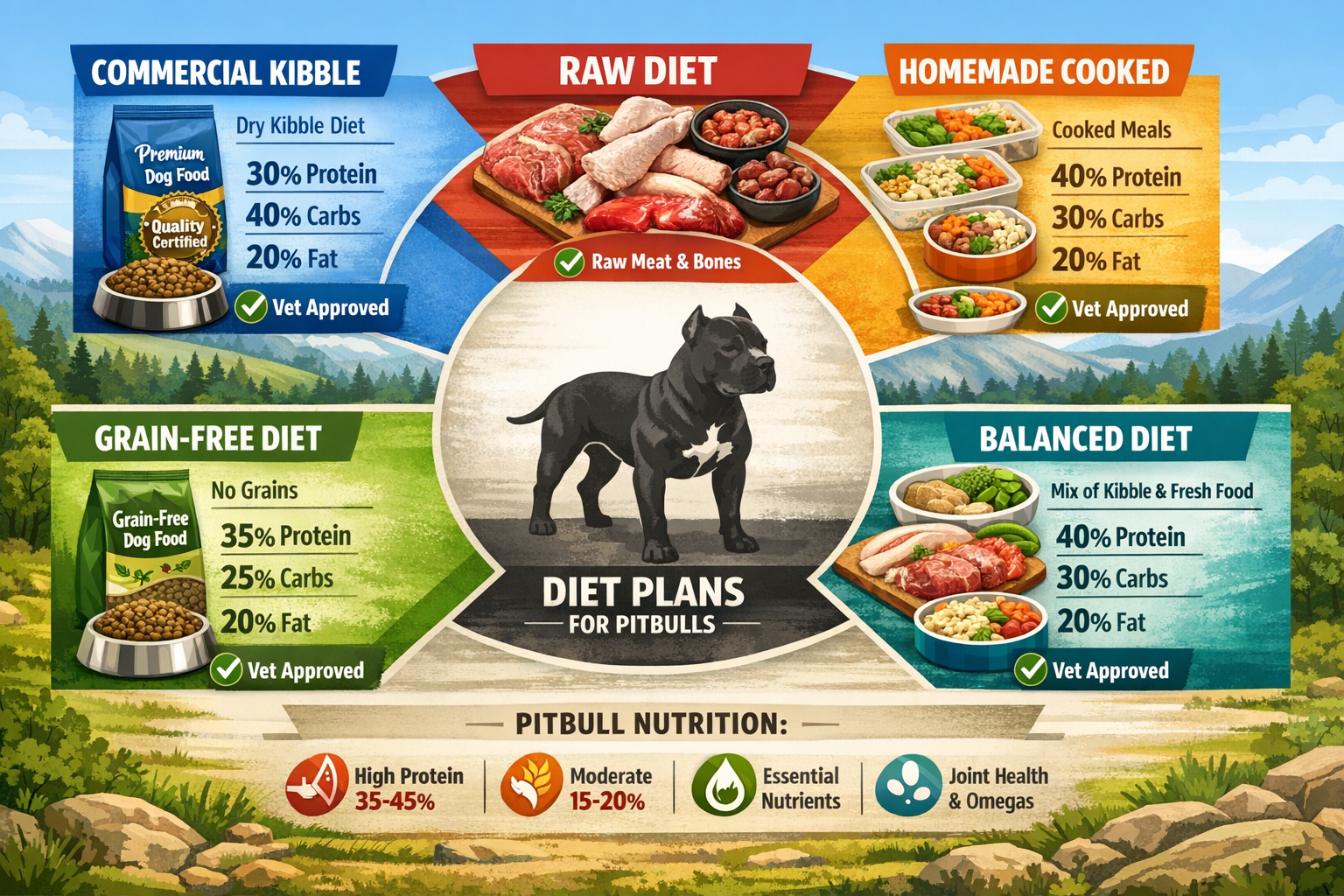
Before diving into the 5 Vet-Approved Pitbull Diet Plans for Optimal Health, it’s essential to understand what makes this breed’s dietary requirements unique. Pitbulls are medium-sized, muscular dogs with high energy levels and fast metabolisms[1]. Their bodies demand specific nutrients to support their athletic build and active nature.
Essential Nutrients for Pitbulls 🥩
Protein forms the foundation of any healthy Pitbull diet. These powerful dogs need substantial protein to maintain their impressive muscle mass and support tissue repair. Veterinarians recommend that Pitbulls receive between 25-30% protein in their daily diet[2].
Healthy fats provide concentrated energy and support skin and coat health. Omega-3 and omega-6 fatty acids are particularly important for reducing inflammation and maintaining that signature shiny coat.
Carbohydrates offer sustained energy for active Pitbulls, though they should come from quality sources like sweet potatoes, brown rice, or oats rather than cheap fillers.
Vitamins and minerals support immune function, bone health, and overall wellness. Calcium and phosphorus ratios are especially critical for maintaining strong bones and joints.
Common Dietary Challenges
Pitbulls face several breed-specific nutritional concerns:
- Food allergies and sensitivities (common allergens include chicken, beef, wheat, and corn)
- Weight management issues due to their love of food and tendency toward obesity
- Skin conditions that respond to dietary changes
- Joint health concerns requiring glucosamine and chondroitin supplementation
The 5 Vet-Approved Pitbull Diet Plans for Optimal Health
Now let’s explore each of the five veterinarian-recommended diet plans that can help your Pitbull achieve optimal health. Each plan offers unique benefits and considerations.
Diet Plan #1: Premium Commercial Kibble 🦴
What it is: High-quality, commercially prepared dry dog food formulated specifically for medium to large breed dogs with high protein requirements.
Why veterinarians recommend it:
Premium commercial kibble offers convenience, consistency, and complete nutrition in every bag. Reputable manufacturers invest millions in research to create balanced formulas that meet all of a dog’s nutritional needs[3].
Key features to look for:
- Named meat source (chicken, beef, fish, lamb) as the first ingredient
- Minimum 25% protein content
- No artificial colors, flavors, or preservatives
- AAFCO (Association of American Feed Control Officials) certification
- Added probiotics for digestive health
Best for: Busy dog owners who want reliable, scientifically-formulated nutrition without daily meal preparation.
Recommended brands:
- Taste of the Wild High Prairie
- Blue Buffalo Wilderness
- Orijen Original
- Wellness CORE Grain-Free
Feeding guidelines:
Adult Pitbulls typically need 2-3 cups of premium kibble daily, split into two meals. Adjust portions based on activity level and body condition.
“Premium commercial kibble provides consistent, balanced nutrition that’s been extensively tested. It’s the safest choice for most dog owners who want to ensure their Pitbull receives complete nutrition.” – Dr. Sarah Mitchell, DVM
Diet Plan #2: Raw Food Diet (BARF – Biologically Appropriate Raw Food) 🥩
What it is: A diet consisting of raw meat, bones, organs, and vegetables designed to mimic what dogs would eat in the wild.
Why veterinarians recommend it:
Proponents of raw feeding believe it provides the most natural nutrition, leading to improved digestion, healthier skin and coat, cleaner teeth, and increased energy[4]. Many veterinarians who support this approach have witnessed remarkable transformations in their patients.
Typical raw diet composition:
- 70% muscle meat (chicken, turkey, beef, lamb)
- 10% raw edible bones (chicken necks, turkey necks)
- 10% organs (liver, kidney, heart)
- 10% vegetables and fruits (leafy greens, carrots, blueberries)
Benefits:
- Maximum nutrient bioavailability
- Natural teeth cleaning
- Improved coat condition
- Reduced stool volume
- Better weight management
Important safety considerations:
- Source meat from reputable suppliers
- Handle raw food with proper food safety protocols
- Transition gradually over 7-10 days
- Work with a veterinary nutritionist to ensure balanced ratios
- Not recommended for immunocompromised dogs or households with young children
Best for: Dedicated dog owners willing to invest time in meal preparation and committed to following strict food safety protocols.
Diet Plan #3: Homemade Cooked Meals 🍳
What it is: Veterinarian-formulated, home-prepared meals using cooked ingredients to provide complete nutrition.
Why veterinarians recommend it:
Homemade cooked meals offer the benefits of fresh, whole ingredients while eliminating the food safety concerns associated with raw feeding. This option allows complete control over ingredients, making it ideal for dogs with allergies or sensitivities[5].
Sample balanced recipe:
| Ingredient | Amount (for 50 lb Pitbull) | Purpose |
|---|---|---|
| Lean ground turkey | 1.5 pounds | Protein source |
| Sweet potato | 2 cups (cooked) | Complex carbohydrates |
| Green beans | 1 cup | Fiber and vitamins |
| Carrots | 1/2 cup | Beta-carotene |
| Fish oil | 1 tablespoon | Omega-3 fatty acids |
| Calcium supplement | As directed | Bone health |
| Multivitamin | As directed | Complete nutrition |
Advantages:
- Complete ingredient transparency
- Customizable for allergies
- Fresh, preservative-free nutrition
- Strengthens the human-animal bond through meal preparation
Critical requirements:
- Must work with veterinary nutritionist to formulate balanced recipes
- Requires vitamin and mineral supplementation
- Time-intensive preparation (batch cooking recommended)
- Proper storage essential (freeze portions)
Best for: Dog owners with specific dietary concerns, allergies, or those who enjoy cooking and want maximum control over ingredients.
Diet Plan #4: Grain-Free Premium Diet 🌾
What it is: Specialized commercial or homemade diets that eliminate all grains, focusing on meat proteins and alternative carbohydrate sources.
Why veterinarians recommend it:
Many Pitbulls suffer from grain sensitivities that manifest as skin problems, ear infections, or digestive upset. Grain-free diets can provide relief while still delivering complete nutrition[6].
Key characteristics:
- Primary protein from meat, poultry, or fish
- Carbohydrates from sweet potatoes, peas, lentils, or chickpeas
- Higher protein content (typically 30-35%)
- Often includes novel proteins (venison, duck, bison)
Important FDA consideration:
In 2019, the FDA investigated potential links between grain-free diets and dilated cardiomyopathy (DCM) in dogs. While research continues, veterinarians recommend:
- Choosing grain-free foods from established manufacturers
- Ensuring adequate taurine levels
- Regular cardiac monitoring for at-risk breeds
- Not avoiding grains unless medically necessary
When to consider grain-free:
- Diagnosed grain allergy or sensitivity
- Chronic ear infections related to diet
- Persistent skin issues despite other treatments
- Digestive problems linked to grain consumption
Best for: Pitbulls with confirmed grain sensitivities or allergies, under veterinary supervision.
Diet Plan #5: Combination Feeding Approach 🔄
What it is: A strategic mix of different feeding methods to provide variety, balance, and flexibility.
Why veterinarians recommend it:
Combination feeding offers the best of multiple worlds—convenience of kibble, freshness of whole foods, and nutritional variety. This approach can prevent food boredom and provide diverse nutrient sources[7].
Popular combination strategies:
Option A: Kibble Base + Fresh Toppers
- 75% premium kibble
- 25% fresh cooked meat and vegetables
- Provides convenience with fresh food benefits
Option B: Rotating Proteins
- Different protein sources each meal or weekly
- Reduces allergy development risk
- Provides nutritional variety
Option C: Kibble + Raw Bones
- Premium kibble for main nutrition
- Raw recreational bones 2-3 times weekly
- Dental health benefits with convenient feeding
Implementation tips:
- Maintain consistent feeding times
- Keep total caloric intake constant when adding fresh foods
- Introduce new foods gradually
- Monitor stool quality and body condition
- Adjust ratios based on individual response
Benefits:
- Nutritional diversity
- Reduced risk of developing food sensitivities
- Mental stimulation through varied meals
- Flexibility for lifestyle and budget
Best for: Dog owners seeking balance between convenience and fresh feeding, or those wanting to incorporate multiple approaches.
Implementing Your Chosen Diet Plan Successfully
Selecting one of the 5 Vet-Approved Pitbull Diet Plans for Optimal Health is just the first step. Successful implementation requires attention to detail and ongoing monitoring.
Transitioning Between Diets 🔄
Never switch your Pitbull’s diet abruptly. Sudden changes cause digestive upset, including vomiting, diarrhea, and loss of appetite.
7-Day Transition Schedule:
| Day | Old Food | New Food |
|---|---|---|
| 1-2 | 75% | 25% |
| 3-4 | 50% | 50% |
| 5-6 | 25% | 75% |
| 7+ | 0% | 100% |
Extend this timeline to 10-14 days for dogs with sensitive stomachs or when switching between dramatically different diet types (like kibble to raw).
Portion Control and Feeding Schedule 📅
Daily caloric needs for Pitbulls:
- Sedentary adults: 900-1,200 calories
- Moderately active adults: 1,200-1,500 calories
- Highly active adults: 1,500-1,800 calories
- Puppies (6-12 months): 1,400-2,000 calories
- Seniors (7+ years): 800-1,100 calories
Recommended feeding schedule:
- Puppies (8 weeks-6 months): 3-4 meals daily
- Young adults (6-12 months): 2-3 meals daily
- Adults (1-7 years): 2 meals daily
- Seniors (7+ years): 2 meals daily (smaller portions)
Monitoring Health and Adjusting
Track these indicators to ensure your chosen diet plan is working:
Physical indicators:
- ✅ Healthy weight (visible waist, palpable ribs)
- ✅ Shiny, smooth coat without excessive shedding
- ✅ Clear, bright eyes
- ✅ Clean teeth and fresh breath
- ✅ Consistent, firm stools
- ✅ High energy levels
Warning signs requiring dietary adjustment:
- ⚠️ Unexplained weight gain or loss
- ⚠️ Dull, dry coat or excessive shedding
- ⚠️ Chronic ear infections
- ⚠️ Persistent itching or skin problems
- ⚠️ Digestive issues (vomiting, diarrhea, constipation)
- ⚠️ Lethargy or decreased activity
Supplementation Considerations 💊
Even with quality diets, some Pitbulls benefit from targeted supplementation:
Common beneficial supplements:
- Omega-3 fatty acids (fish oil): Supports skin, coat, and joint health
- Glucosamine and chondroitin: Promotes joint health and mobility
- Probiotics: Enhances digestive health and immune function
- Multivitamins: Fills nutritional gaps (especially for homemade diets)
Important: Always consult your veterinarian before adding supplements. More isn’t always better, and some vitamins can be toxic in excess.
Special Dietary Considerations for Different Life Stages
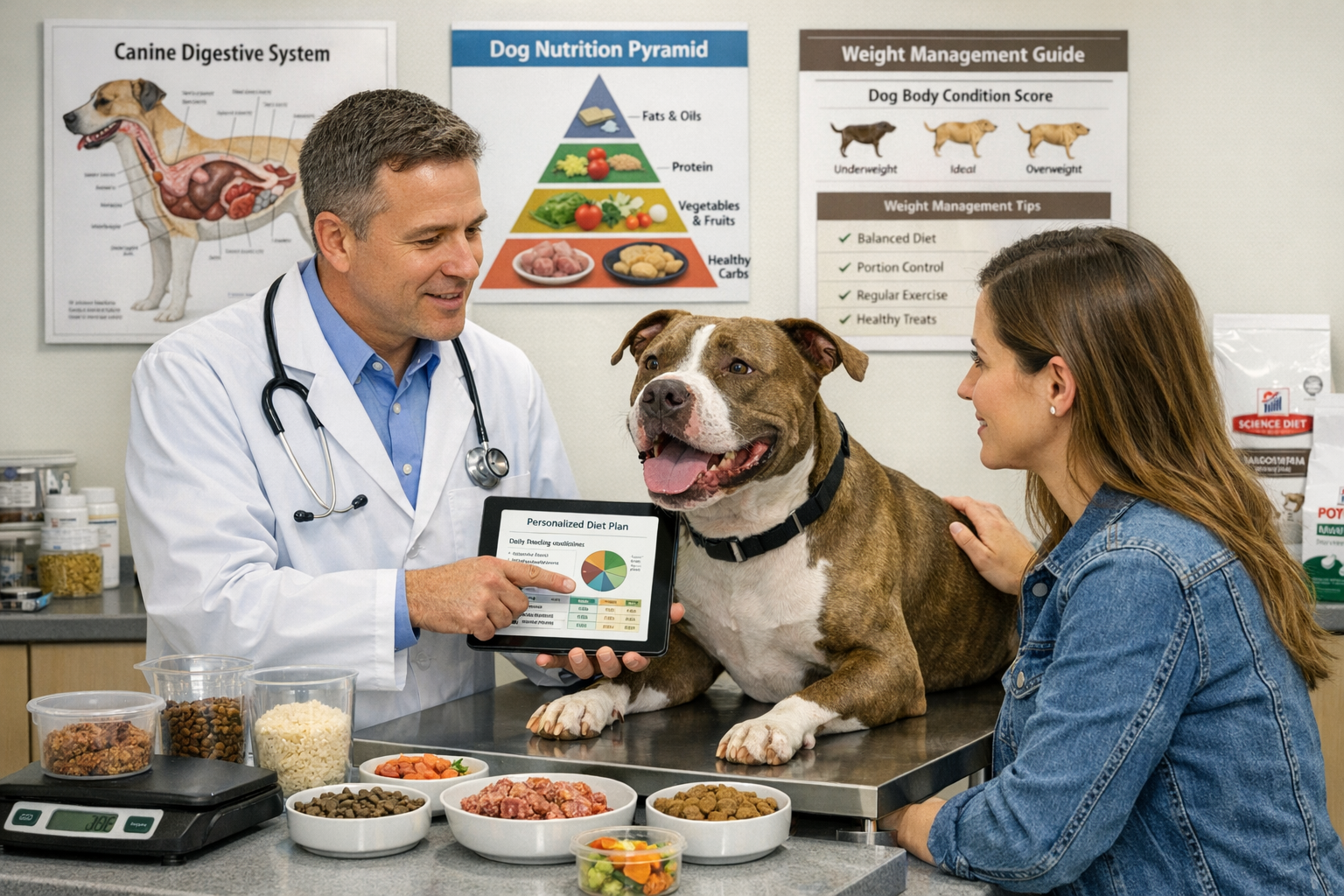
The 5 Vet-Approved Pitbull Diet Plans for Optimal Health should be adapted based on your dog’s life stage and special circumstances.
Puppies (8 weeks – 12 months) 🐕
Growing Pitbull puppies have dramatically different nutritional needs than adults:
- Higher protein requirements (28-32%)
- Increased caloric density for rapid growth
- Proper calcium-to-phosphorus ratio (1.2:1) for bone development
- Smaller, more frequent meals to maintain blood sugar
- Puppy-specific formulations from any diet plan chosen
Critical warning: Avoid over-supplementing calcium, which can cause developmental orthopedic disease in large breed puppies[8].
Adults (1-7 years) 💪
Adult Pitbulls in their prime require maintenance nutrition:
- Balanced protein (25-30%)
- Moderate fat content (12-18%)
- Caloric intake matched to activity level
- Regular body condition assessments
- Consistent feeding schedule
This is the ideal time to establish healthy eating habits and maintain optimal weight.
Seniors (7+ years) 👴
Senior Pitbulls benefit from dietary modifications:
- Slightly reduced calories to prevent weight gain
- Higher quality protein to maintain muscle mass
- Joint-supporting ingredients (glucosamine, omega-3s)
- Easier-to-digest formulations
- Softer food options if dental issues present
Special Health Conditions 🏥
For overweight Pitbulls:
- Reduce portions by 25%
- Increase low-calorie vegetables
- Add more exercise gradually
- Consider weight management formulas
For allergic Pitbulls:
- Elimination diet trials (8-12 weeks)
- Novel protein sources (venison, duck, rabbit)
- Limited ingredient formulas
- Work closely with veterinary dermatologist
For active/working Pitbulls:
- Increase protein to 30-35%
- Higher fat content for energy (18-22%)
- Additional calories (1,800-2,200 daily)
- Consider performance formulas
Cost Comparison and Budget Considerations 💰
Understanding the financial commitment of each diet plan helps make sustainable choices.
Monthly cost estimates (50 lb adult Pitbull):
| Diet Plan | Monthly Cost | Time Investment |
|---|---|---|
| Premium Kibble | $60-$100 | Minimal |
| Raw Food Diet | $150-$300 | 2-3 hours/week |
| Homemade Cooked | $120-$200 | 3-4 hours/week |
| Grain-Free Premium | $80-$130 | Minimal |
| Combination Feeding | $100-$180 | 1-2 hours/week |
Budget-friendly tips:
- Buy in bulk during sales
- Batch prepare and freeze meals
- Source meat from local butchers
- Join co-ops for raw feeding supplies
- Rotate between premium and mid-range options
Remember: investing in quality nutrition now prevents expensive veterinary bills later. Poor diet quality contributes to chronic health issues that cost thousands in treatment.
Common Mistakes to Avoid ⚠️
Even well-intentioned dog owners make these dietary errors:
- Feeding table scraps regularly – Causes nutritional imbalances and obesity
- Free-feeding (leaving food out all day) – Leads to overeating and weight gain
- Ignoring portion guidelines – Most owners overfeed by 20-30%
- Switching foods too frequently – Causes digestive upset
- Skipping veterinary consultations – Professional guidance prevents costly mistakes
- Using human nutritional logic – Dogs have different nutritional requirements
- Forgetting about treats – Treats should comprise less than 10% of daily calories
Working With Your Veterinarian 👨⚕️
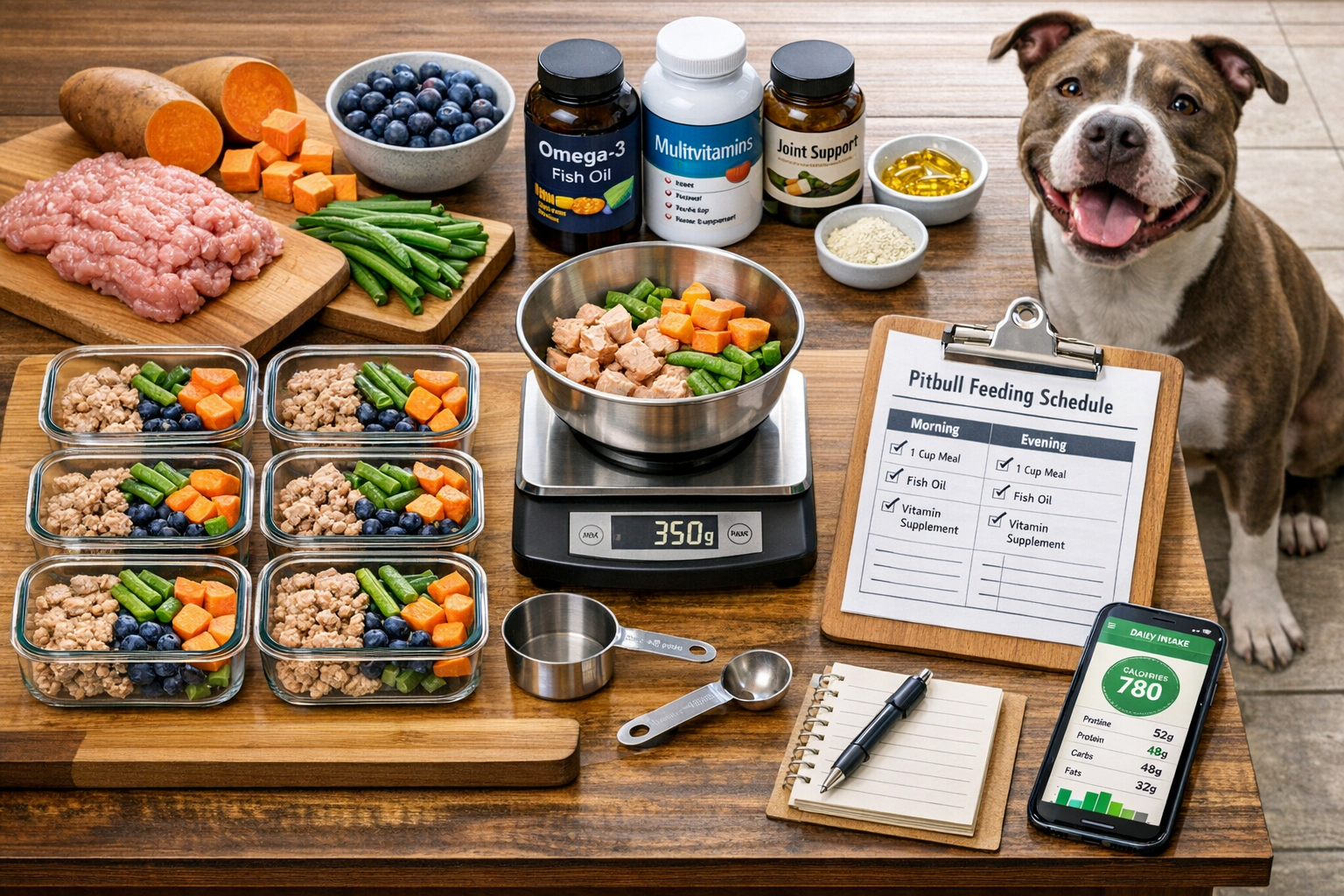
Your veterinarian is your most valuable partner in implementing the 5 Vet-Approved Pitbull Diet Plans for Optimal Health.
What to discuss at your next appointment:
- Current diet and feeding schedule
- Body condition score assessment
- Any digestive issues or food sensitivities
- Activity level and exercise routine
- Blood work to check nutritional status
- Specific diet plan recommendations
Questions to ask:
- “Which diet plan best suits my Pitbull’s individual needs?”
- “How do I know if my dog is at a healthy weight?”
- “What supplements, if any, should I add?”
- “How often should we reassess the diet plan?”
- “Are there any health concerns I should monitor?”
Annual wellness exams should include:
- Weight and body condition evaluation
- Coat and skin assessment
- Dental examination
- Blood work (especially for senior dogs)
- Discussion of any dietary concerns
Conclusion: Choosing the Right Path for Your Pitbull
The 5 Vet-Approved Pitbull Diet Plans for Optimal Health each offer unique advantages for supporting your dog’s wellbeing. Whether you choose the convenience of premium commercial kibble, the natural approach of raw feeding, the control of homemade meals, the specificity of grain-free options, or the flexibility of combination feeding, success lies in consistency, quality ingredients, and attention to your individual dog’s needs.
Remember that no single diet plan is universally “best”—the optimal choice depends on your Pitbull’s age, activity level, health status, and any special dietary requirements, as well as your lifestyle, budget, and commitment level. The most important factors are choosing high-quality ingredients, maintaining appropriate portion sizes, and monitoring your dog’s response to their diet.
Your Action Plan 📋
This week:
- Assess your current feeding program honestly
- Schedule a consultation with your veterinarian
- Research the diet plan options that interest you most
- Calculate your dog’s ideal daily caloric needs
This month:
- Select one of the 5 vet-approved diet plans
- Source quality ingredients or products
- Create a transition schedule
- Begin gradually introducing the new diet
Ongoing:
- Monitor your Pitbull’s body condition weekly
- Track energy levels, coat quality, and stool consistency
- Maintain regular veterinary check-ups
- Adjust portions and ingredients as needed
Your Pitbull depends on you to make informed nutritional choices that will support their health throughout their lifetime. By implementing one of these veterinarian-approved diet plans and remaining attentive to your dog’s individual needs, you’re investing in years of vitality, energy, and companionship. The effort you put into proper nutrition today will reward you with a healthier, happier Pitbull tomorrow.
References
[1] American Kennel Club. (2026). “Pitbull Breed Characteristics and Care.” AKC Breed Standards.
[2] Association of American Feed Control Officials. (2026). “Dog Food Nutrient Profiles.” AAFCO Official Publication.
[3] World Small Animal Veterinary Association. (2025). “Nutritional Assessment Guidelines.” WSAVA Global Nutrition Committee.
[4] Billinghurst, I. (2023). “The BARF Diet: Raw Feeding for Dogs and Cats Using Evolutionary Principles.” Self-published.
[5] Remillard, R. & Crane, S. (2024). “Making Pet Foods at Home.” Clinical Nutrition Service, Tufts University.
[6] Mueller, R. & Olivry, T. (2025). “Critically Appraised Topic on Adverse Food Reactions in Dogs.” BMC Veterinary Research.
[7] Freeman, L. (2026). “Current Knowledge About the Risks and Benefits of Raw Meat-Based Diets for Dogs and Cats.” Journal of the American Veterinary Medical Association.
[8] Lauten, S. (2025). “Nutritional Risks to Large-Breed Dogs: From Weaning to the Geriatric Years.” Veterinary Clinics of North America.