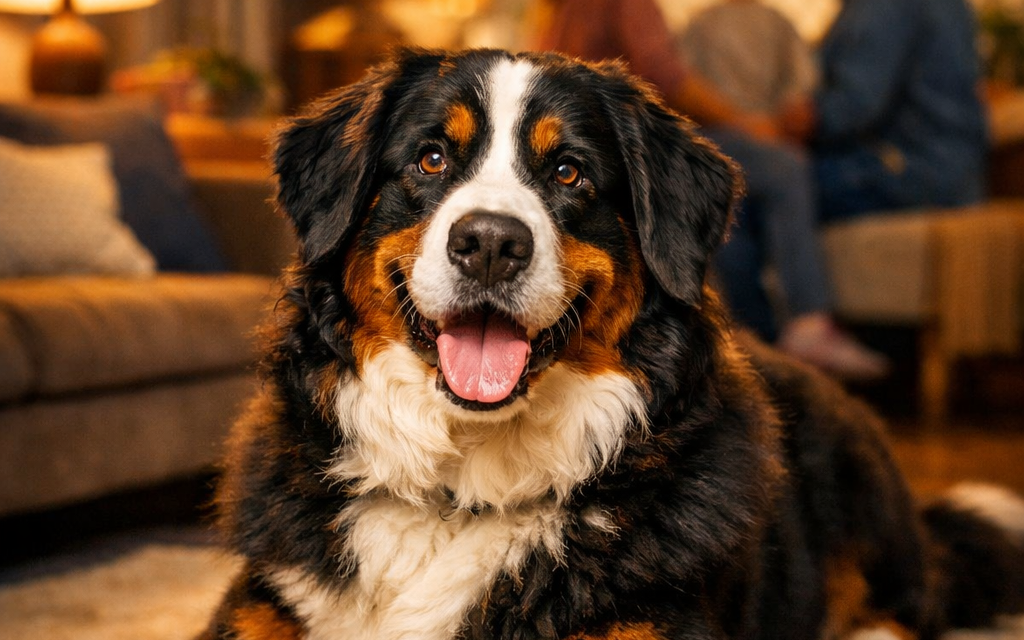
Picture this: a gentle giant with soulful eyes and a coat that looks like it was painted by Swiss artists, padding through your home with the grace of a teddy bear come to life. The Bernese Mountain Dog isn’t just a pet—they’re a furry family member who’ll steal hearts faster than they can demolish a tennis ball! 🐾

If the thought of welcoming one of these magnificent pups into your pack has your tail wagging with excitement, this Bernese Mountain Dog 101: Everything You Need to Know Before Bringing One Home guide is your roadmap to success. These Swiss sweethearts are more than just their stunning good looks—they’re complex companions with specific needs that every potential dog parent should understand before taking the plunge.
Key Takeaways
• Bernese Mountain Dogs are gentle giants weighing 80-115 pounds with lifespans of 6-8 years, requiring experienced owners who understand large breed needs
• High maintenance grooming is essential with daily brushing during shedding seasons and weekly maintenance year-round
• Moderate exercise needs include 30-60 minutes daily, but avoid intense activity until joints fully develop (18-24 months)
• Early socialization and training are crucial for managing their size and ensuring well-behaved family companions
• Significant financial commitment includes higher costs for food, veterinary care, medications, and potential health issues common in the breed
Understanding the Bernese Mountain Dog Breed: Your Complete Foundation
Origins and Heritage 🏔️
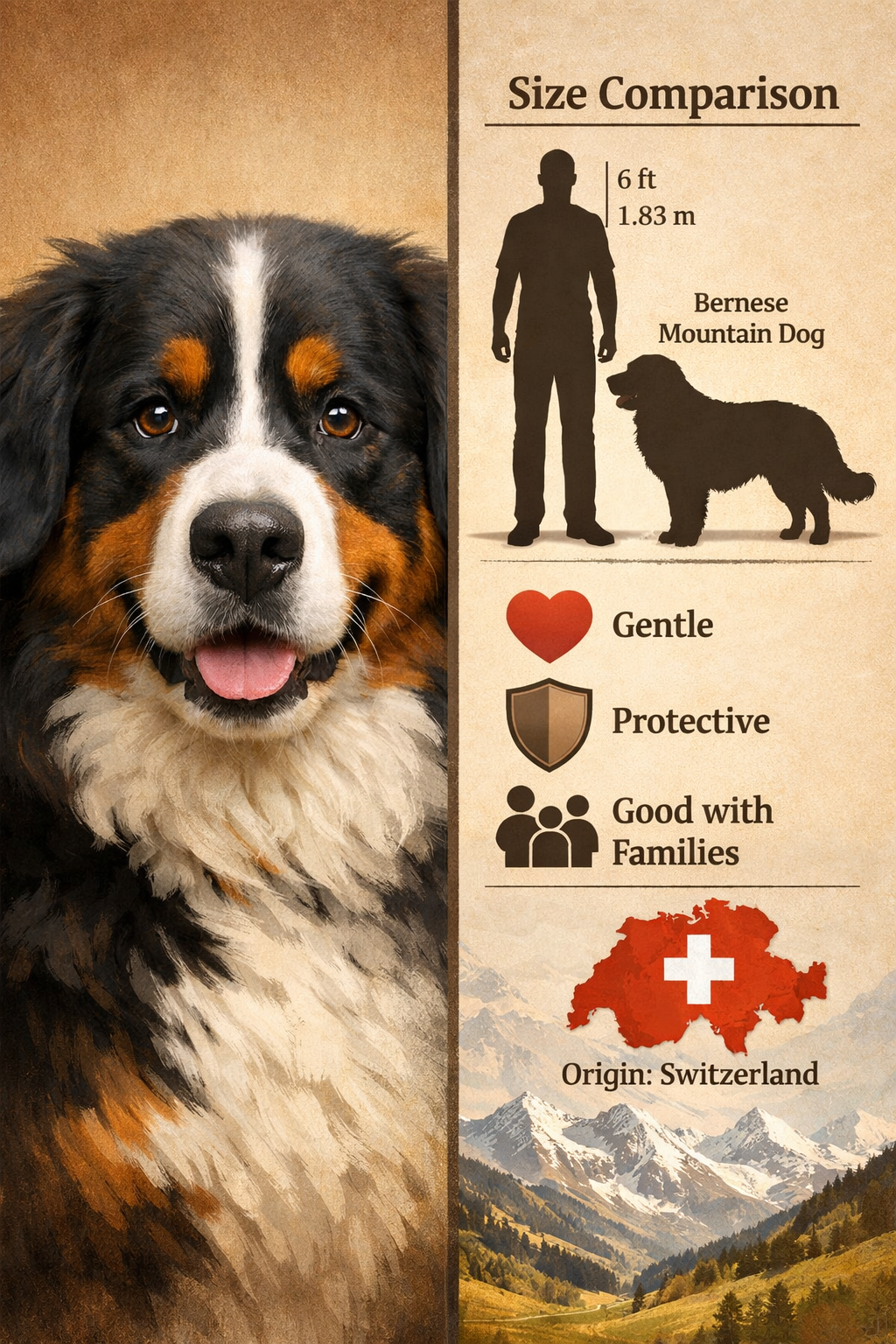
The Bernese Mountain Dog’s story begins in the breathtaking Swiss Alps, where these magnificent working dogs earned their stripes as versatile farm hands. Originally bred in the canton of Bern (hence the name!), these pups were the Swiss Army knives of the dog world—pulling carts, driving cattle, and serving as loyal guardians of family homesteads.
Historical Role:
- Cart pullers for local farmers and merchants
- Livestock drivers managing cattle in mountainous terrain
- Property guardians protecting farms and families
- Companions providing warmth and comfort during harsh Alpine winters
This working heritage shapes everything about the modern Bernese Mountain Dog, from their sturdy build to their incredible devotion to family life.
Physical Characteristics That Make Hearts Melt
When people talk about Bernese Mountain Dog 101: Everything You Need to Know Before Bringing One Home, the conversation inevitably turns to their stunning appearance. These dogs are living, breathing works of art!
Size Specifications:
- Males: 25-27.5 inches tall, 80-115 pounds
- Females: 23-26 inches tall, 70-95 pounds
- Build: Sturdy, well-balanced, slightly longer than tall
- Growth timeline: Reaches full size at 18-24 months
The Famous Tri-Color Coat:
The Bernese Mountain Dog’s coat is their signature calling card—a gorgeous tri-color pattern that’s absolutely unmistakable:
| Color | Location | Description |
|---|---|---|
| Black | Base color | Rich, deep black covering most of the body |
| Rust/Tan | Accents | Over eyes, cheeks, chest, legs, under tail |
| White | Markings | Chest blaze, feet, tail tip, facial markings |
Coat Texture: Double-layered with a soft undercoat and longer, silky outer coat that’s weather-resistant but requires significant maintenance.
Temperament: The Heart of a Gentle Giant 💖
“A Bernese Mountain Dog doesn’t just join your family—they become the emotional center of it, radiating calm confidence and unconditional love.”
The temperament of a Bernese Mountain Dog is what transforms them from merely beautiful dogs into irreplaceable family members. Understanding their personality is crucial for anyone considering this Bernese Mountain Dog 101: Everything You Need to Know Before Bringing One Home journey.
Core Personality Traits:
🌟 Gentle and Patient
- Exceptional tolerance with children of all ages
- Calm demeanor even in chaotic household situations
- Rarely reactive or aggressive, preferring peaceful solutions
🌟 Intelligent and Eager to Please
- Quick learners who thrive on positive reinforcement
- Strong desire to make their humans happy
- Problem-solving abilities that can surprise new owners
🌟 Loyal and Devoted
- Forms incredibly strong bonds with family members
- May show preference for one person while loving all
- Protective instincts without aggression
🌟 Social and Friendly
- Generally welcoming to strangers after proper introduction
- Enjoys meeting new people and dogs when well-socialized
- Thrives in multi-pet households with proper integration
Potential Challenges:
- Sensitivity: Can be emotionally affected by household stress or harsh training methods
- Separation anxiety: May struggle when left alone for extended periods
- Stubbornness: Intelligent independence can sometimes translate to selective hearing
- Size awareness: Young Berners may not realize their size and accidentally knock over small children or fragile items
Health Considerations and Lifespan: What Every Owner Must Know
The Reality of Bernese Mountain Dog Lifespan
One of the most heartbreaking aspects of Bernese Mountain Dog 101: Everything You Need to Know Before Bringing One Home is confronting their relatively short lifespan. This isn’t meant to discourage—it’s meant to help potential owners make informed decisions and maximize every precious moment.
Average Lifespan: 6-8 years (some reach 10+ with excellent care)
Factors Affecting Longevity:
- Genetics: Responsible breeding practices significantly impact health
- Diet: High-quality nutrition throughout life stages
- Exercise: Appropriate activity levels without overexertion
- Preventive care: Regular veterinary checkups and early intervention
- Weight management: Maintaining healthy body condition
Common Health Issues to Monitor
Understanding potential health challenges allows proactive owners to work with veterinarians for early detection and management.
🔴 Hip and Elbow Dysplasia
- What it is: Malformation of joint sockets leading to arthritis
- Signs: Difficulty rising, reluctance to climb stairs, altered gait
- Management: Weight control, joint supplements, physical therapy, possible surgery
- Prevention: Choose breeders who health test breeding dogs
🔴 Bloat (Gastric Dilatation-Volvulus)
- What it is: Life-threatening stomach twisting condition
- Signs: Restlessness, unsuccessful vomiting attempts, swollen abdomen
- Emergency response: Immediate veterinary attention required
- Prevention: Elevated feeding bowls, smaller frequent meals, restrict exercise after eating
🔴 Cancer
- Statistics: Unfortunately common in the breed
- Types: Various forms including histiocytic sarcoma, lymphoma, osteosarcoma
- Early detection: Regular vet checkups, monitoring for lumps or behavioral changes
- Support: Advances in veterinary oncology offer treatment options
🔴 Heart Conditions
- Common issues: Dilated cardiomyopathy, heart murmurs
- Monitoring: Annual cardiac screenings, especially as dogs age
- Management: Medications and lifestyle adjustments as recommended by veterinarians
Proactive Health Strategy:
- Annual wellness exams with comprehensive bloodwork
- Cardiac screening starting at age 2-3
- Joint monitoring through X-rays if symptoms develop
- Weight management to reduce stress on joints and organs
- Quality nutrition appropriate for life stage and activity level
Working with Veterinarians
Establishing a strong relationship with a veterinarian experienced with large breeds is essential. Many Bernese Mountain Dog owners benefit from:
- Specialist referrals for orthopedic or cardiac concerns
- Nutrition consultations for optimal feeding strategies
- Preventive care plans tailored to breed-specific needs
- Emergency protocols for conditions like bloat
Daily Care Requirements: The Complete Guide
Grooming: More Than Just Pretty Fur
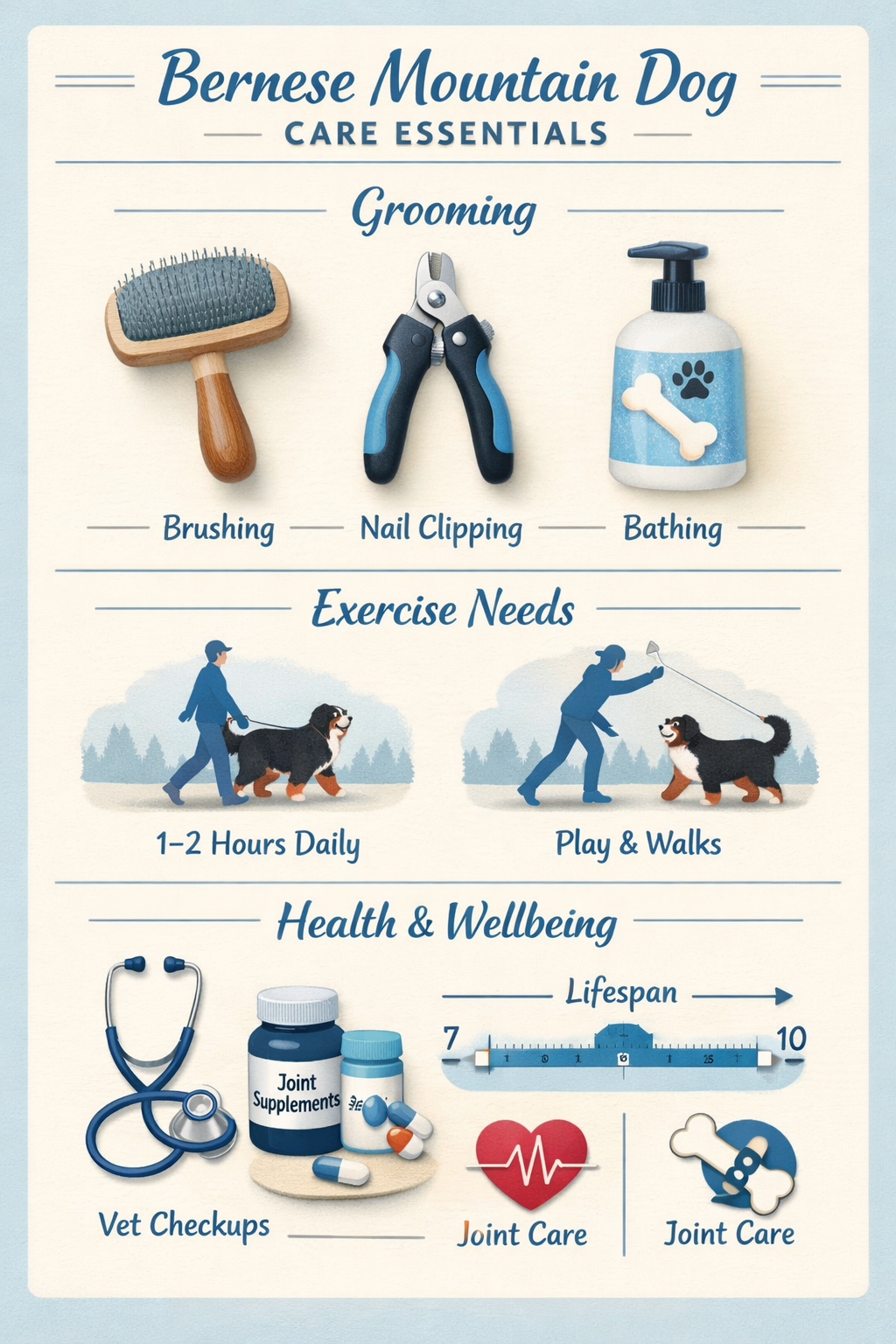
When diving into Bernese Mountain Dog 101: Everything You Need to Know Before Bringing One Home, grooming requirements often surprise new owners. That gorgeous coat comes with serious maintenance responsibilities!
Daily Grooming Routine:
🪮 Brushing Schedule
- Daily during shedding seasons (spring and fall)
- 3-4 times weekly during normal periods
- Tools needed: Slicker brush, undercoat rake, metal comb, de-shedding tool
🛁 Bathing Protocol
- Frequency: Every 6-8 weeks or as needed
- Special considerations: Thorough drying to prevent skin issues
- Products: High-quality dog shampoo, conditioner for long-haired breeds
✂️ Additional Grooming Needs
- Nail trimming: Every 2-3 weeks (large dogs need frequent attention)
- Ear cleaning: Weekly to prevent infections
- Dental care: Daily brushing or dental chews
- Eye care: Regular cleaning of tear stains
Seasonal Shedding Reality Check:
Twice yearly, Bernese Mountain Dogs “blow their coat,” shedding massive amounts of fur. During these periods:
- Expect tumbleweeds of fur throughout the house
- Increase brushing to daily sessions
- Invest in a high-quality vacuum designed for pet hair
- Consider professional grooming assistance
Exercise Needs: Finding the Perfect Balance
Age-Appropriate Exercise Guidelines:
🐕 Puppy Stage (8 weeks – 18 months)
- 5 minutes per month of age, twice daily (example: 4-month-old = 20 minutes, twice daily)
- Focus on: Gentle play, basic training, socialization
- Avoid: Forced exercise, jumping, long hikes until growth plates close
🐕 Adult Stage (18 months – 6 years)
- 30-60 minutes daily of moderate exercise
- Ideal activities: Leisurely walks, swimming, gentle hiking, fetch in yard
- Mental stimulation: Puzzle toys, training sessions, nose work
🐕 Senior Stage (6+ years)
- Adjusted intensity based on individual mobility and health
- Continued importance of gentle movement for joint health
- Focus on: Comfort, pain management, quality of life
Exercise Safety Tips:
- Temperature awareness: Avoid intense activity in hot weather
- Surface considerations: Soft ground preferred over concrete for joint health
- Hydration: Always provide fresh water during and after exercise
- Rest periods: Allow plenty of downtime between activities
Nutrition: Fueling Your Gentle Giant
Life Stage Feeding Guidelines:
🍽️ Puppy Nutrition (8 weeks – 18 months)
- Large breed puppy formula to support controlled growth
- 3-4 meals daily until 6 months, then 2 meals
- Portion control: Follow feeding guidelines to prevent rapid growth
🍽️ Adult Nutrition (18 months – 6 years)
- High-quality adult large breed formula
- 2 meals daily to reduce bloat risk
- Portion size: 3-5 cups daily, divided (varies by activity level and metabolism)
🍽️ Senior Nutrition (6+ years)
- Senior formula with joint support ingredients
- Adjusted portions if activity decreases
- Supplements: Glucosamine, omega fatty acids as recommended by veterinarian
Feeding Best Practices:
- Elevated bowls may help reduce bloat risk
- Slow feeding to prevent gulping
- Consistent schedule to aid digestion
- Fresh water available at all times
Training and Socialization: Building the Perfect Companion
Early Socialization: The Foundation of Success
Understanding socialization is crucial for anyone following this Bernese Mountain Dog 101: Everything You Need to Know Before Bringing One Home guide. A well-socialized Bernese Mountain Dog is confident, friendly, and adaptable—exactly what you want in a gentle giant!
Critical Socialization Period: 3-14 weeks
During this window, puppies are most receptive to new experiences. Responsible breeders begin socialization, but new owners must continue immediately.
Socialization Checklist:
👥 People Exposure
- Different ages: babies, children, teenagers, adults, elderly
- Various appearances: different ethnicities, clothing styles, accessories
- Different interactions: gentle petting, veterinary handling, grooming
🐕 Animal Interactions
- Other dogs of various sizes and temperaments
- Cats and small animals (under supervision)
- Livestock if relevant to your lifestyle
🌍 Environmental Experiences
- Different surfaces: grass, concrete, gravel, stairs
- Various sounds: traffic, construction, household appliances
- New locations: parks, pet stores, friends’ homes
🚗 Transportation
- Car rides starting with short trips
- Different vehicles if possible
- Proper restraint systems for safety
Basic Training Essentials
🎯 Foundation Commands Every Bernese Should Know:
“Sit” and “Stay”
- Essential for managing a large dog safely
- Useful for greetings, feeding time, and veterinary visits
- Practice in various locations and situations
“Come” (Recall)
- Critical for safety in off-leash situations
- Start in secure, enclosed areas
- Use high-value treats and enthusiastic praise
“Down” and “Place”
- Helps manage excitement and jumping
- Useful for calm greetings with visitors
- Essential for public spaces and travel
“Leave It” and “Drop It”
- Prevents ingestion of dangerous items
- Helps with resource guarding prevention
- Useful for managing interactions with other pets
Leash Training for Large Breeds:
Given their size, leash training is non-negotiable for Bernese Mountain Dogs. A 100-pound dog who pulls can be dangerous and difficult to manage.
Training Progression:
- Collar/harness introduction in positive, low-stress environment
- Indoor leash practice to build positive associations
- Short outdoor sessions in quiet areas
- Gradual exposure to busier environments
- Consistent reinforcement of loose-leash walking
Equipment Recommendations:
- Front-clip harness to discourage pulling
- 6-foot leash for training and daily walks
- Treat pouch for consistent reward delivery
- Backup collar with ID tags for safety
Addressing Common Behavioral Challenges
Jumping on People
- Why it happens: Excitement, attention-seeking, size confusion
- Management: Teach alternative greetings, ignore jumping, reward four-paws-on-floor
- Prevention: Consistent rules from all family members and visitors
Separation Anxiety
- Signs: Destructive behavior, excessive barking, house accidents when alone
- Management: Gradual alone-time training, mental enrichment, comfortable space
- Professional help: Consider certified dog trainer or veterinary behaviorist for severe cases
Resource Guarding
- Prevention: Hand-feeding, trading games, positive associations with human approach
- Management: Respect the dog’s space during meals, teach “drop it” command
- Safety: Never punish or force confrontation—seek professional guidance
Living Arrangements and Family Compatibility
Space Requirements: Room to Roam
When considering Bernese Mountain Dog 101: Everything You Need to Know Before Bringing One Home, space requirements are often underestimated. While these dogs aren’t hyperactive, their size demands thoughtful living arrangements.
Ideal Living Situations:
🏠 House with Yard
- Fenced yard provides safe space for exercise and bathroom breaks
- Size considerations: Minimum 6-foot fence height (some Berners can jump!)
- Secure gates to prevent escaping during delivery visits or maintenance
🏢 Apartment Living Considerations
- Possible but challenging for experienced dog owners
- Multiple daily walks required for exercise and bathroom needs
- Elevator access essential (stairs can be hard on joints)
- Noise considerations for neighbors (occasional barking, heavy footsteps)
Space Planning Inside the Home:
🛏️ Sleeping Arrangements
- Large dog bed in quiet, comfortable area
- Orthopedic support beneficial for joint health
- Multiple beds throughout the house for convenience
🍽️ Feeding Station
- Dedicated area away from high-traffic zones
- Non-slip mats under food and water bowls
- Storage for food, treats, and feeding supplies
🧸 Play and Storage Areas
- Toy storage easily accessible but organized
- Exercise space indoors for inclement weather
- Grooming station with supplies readily available
Family Dynamics: The Perfect Match
👶 Bernese Mountain Dogs and Children
The relationship between Berners and kids is often magical, but requires proper management:
Advantages:
- Natural gentleness and patience with children
- Protective instincts without aggression
- Playful nature that matches children’s energy
- Teaching opportunities for responsibility and empathy
Safety Considerations:
- Size awareness: Young dogs may accidentally knock over small children
- Supervision required during interactions, especially with toddlers
- Teaching boundaries to both dog and children
- Escape routes for the dog when overwhelmed
👥 Multi-Pet Households
Bernese Mountain Dogs generally integrate well with other pets when properly introduced:
With Other Dogs:
- Gradual introductions in neutral territory
- Size matching considerations for play partners
- Resource management to prevent competition
- Individual attention to maintain bonds
With Cats:
- Early socialization increases success rates
- Slow introductions with baby gates and controlled meetings
- Respect for feline space and escape routes
- Supervision until relationships are established
With Small Pets:
- High prey drive varies by individual
- Secure housing for rabbits, guinea pigs, birds
- Supervised interactions always required
- Training to reinforce “leave it” commands
Lifestyle Compatibility Assessment
Before committing to a Bernese Mountain Dog, honest self-assessment is crucial:
✅ You Might Be a Great Bernese Owner If:
- You enjoy daily grooming and don’t mind dog hair
- You’re home frequently or have flexible schedules
- You have experience with large breeds or are committed to learning
- You understand and accept the shorter lifespan
- You have the financial resources for large breed care
- You want a calm, gentle companion rather than an adventure buddy
❌ A Bernese Might Not Be Right If:
- You travel frequently without pet accommodations
- You prefer low-maintenance pets
- You live in extremely hot climates without adequate cooling
- You want a jogging or hiking companion for intense activities
- You’re not prepared for significant veterinary expenses
- You need a guard dog with protective aggression
Financial Considerations: The True Cost of Ownership
Initial Investment: Getting Started Right
Understanding the financial commitment is essential for anyone serious about Bernese Mountain Dog 101: Everything You Need to Know Before Bringing One Home. Large breeds come with large expenses!
Puppy Acquisition Costs:
🐕 Purchase Price
- Reputable breeders: $1,200-$3,000+
- Show quality: $2,500-$5,000+
- Rescue adoption: $200-$800
- Factors affecting price: Bloodlines, health testing, breeder reputation
🛍️ Initial Supplies
- Large crate: $150-$300
- Bedding and blankets: $100-$200
- Food and water bowls: $30-$80
- Leash, collar, harness: $50-$150
- Toys and enrichment: $100-$200
- Grooming supplies: $100-$250
- Initial food supply: $50-$100
🏥 Immediate Veterinary Costs
- Initial examination: $75-$150
- Vaccinations: $150-$300
- Spay/neuter: $300-$800 (more for large breeds)
- Microchipping: $50-$100
- Parasite prevention: $100-$200
Total Initial Investment: $2,000-$5,000+
Ongoing Monthly Expenses
🍽️ Food Costs
- High-quality large breed food: $80-$120 monthly
- Treats and training rewards: $20-$40 monthly
- Supplements: $30-$60 monthly (joint support, etc.)
🏥 Routine Veterinary Care
- Annual wellness exams: $200-$400 yearly
- Vaccinations: $100-$200 yearly
- Parasite prevention: $600-$1,200 yearly
- Dental cleanings: $500-$1,500 as needed
🧴 Grooming and Maintenance
- Professional grooming: $75-$150 every 6-8 weeks
- Grooming supplies: $20-$40 monthly
- Nail trimming: $15-$30 monthly if done professionally
🏠 Miscellaneous Costs
- Pet insurance: $50-$150 monthly
- Boarding/pet sitting: $50-$100 per day when needed
- Replacement toys/supplies: $30-$50 monthly
- Training classes: $100-$300 per course
Average Monthly Budget: $400-$800
Emergency and Long-Term Health Costs
🚨 Emergency Veterinary Care
- Bloat surgery: $3,000-$7,000
- Hip/elbow surgery: $3,000-$8,000 per joint
- Cancer treatment: $2,000-$15,000+ depending on type and treatment
- Emergency visits: $500-$3,000 per incident
💰 Financial Planning Strategies
- Pet insurance: Research policies that cover breed-specific conditions
- Emergency fund: Maintain $5,000-$10,000 for unexpected health issues
- Care credit: Consider veterinary financing options
- Wellness plans: Some veterinary clinics offer payment plans for routine care
Cost-Saving Tips Without Compromising Care
🏠 DIY Opportunities
- Basic grooming: Learn to brush, bathe, and trim nails at home
- Training: Utilize online resources and practice sessions
- Exercise: Provide enrichment through home activities and free outdoor spaces
🛒 Smart Shopping
- Bulk food purchases: Buy larger quantities for better pricing
- Generic medications: Ask veterinarians about generic alternatives
- Preventive care: Maintain regular care to avoid emergency costs
- Comparison shopping: Get quotes for major procedures
Choosing the Right Bernese Mountain Dog
Finding Reputable Breeders
When following this Bernese Mountain Dog 101: Everything You Need to Know Before Bringing One Home guide, breeder selection is perhaps the most crucial decision affecting your future companion’s health and temperament.
🔍 Red Flags to Avoid:
- Multiple litters available year-round
- Puppies always available without waiting lists
- No health testing documentation provided
- Won’t allow visits to see parents or facilities
- Pressure tactics to purchase immediately
- Unusually low prices compared to regional averages
- Selling through pet stores or puppy mills
✅ Signs of Responsible Breeders:
Health Testing Requirements:
- Hip and elbow scoring for both parents
- Cardiac clearances from board-certified cardiologists
- Eye examinations by veterinary ophthalmologists
- DNA testing for genetic conditions
- Documentation provided for all health clearances
Breeding Practices:
- Limited litters per year (typically 1-2)
- Waiting lists for puppies
- Careful mate selection based on health, temperament, and conformation
- Early socialization programs for puppies
- Lifetime support offered to puppy buyers
Facility and Care Standards:
- Clean, spacious living conditions
- Well-socialized parent dogs with good temperaments
- Proper veterinary care for all dogs
- Transparent about challenges and breed characteristics
- Contracts that include health guarantees and return policies
Questions to Ask Potential Breeders
📋 Essential Interview Questions:
About the Parents:
- Can I meet both parents or see recent photos/videos?
- What are their temperaments like?
- What health testing has been completed?
- How old are the parents, and how many litters have they produced?
About the Puppies:
- What socialization experiences have the puppies had?
- What health guarantees do you provide?
- Can you provide references from previous puppy buyers?
- What support do you offer after the puppy goes home?
About the Breeding Program:
- How long have you been breeding Bernese Mountain Dogs?
- What are your goals for your breeding program?
- Are you involved in dog sports, showing, or other activities?
- Can you provide documentation of health testing?
Rescue and Adoption Options
🏠 Bernese Mountain Dog Rescue Organizations
Rescue dogs can make wonderful companions and often come with some training and socialization already completed.
Advantages of Rescue:
- Lower cost than purchasing from breeders
- Adult temperament already established
- Often house-trained and past destructive puppy phase
- Saving a life and making room for another rescue
- Support from experienced rescue volunteers
Considerations:
- Unknown history may include trauma or poor socialization
- Potential health issues without full medical history
- Age factors may mean shorter time together
- Behavioral challenges may require experienced owners
Rescue Evaluation Process:
- Application and screening process
- Home visits may be required
- Meet and greet with current pets
- Trial periods sometimes available
- Ongoing support from rescue organizations
Puppy Selection Tips
🐕 Choosing the Right Individual:
When visiting a litter, look for puppies that display:
Positive Temperament Signs:
- Confident but not pushy interactions with littermates
- Curious about new people and experiences
- Recovers quickly from startling sounds or movements
- Neither overly shy nor overly dominant
- Comfortable with gentle handling and restraint
Health Indicators:
- Clear, bright eyes without discharge
- Clean ears without odor or excessive wax
- Healthy coat that’s clean and soft
- Good body condition neither too thin nor overweight
- Alert and energetic appropriate for age
Matching Personality to Lifestyle:
- Quiet households: Might prefer calmer, more reserved puppies
- Active families: Could handle more energetic, outgoing personalities
- First-time owners: Often do best with middle-of-the-pack temperaments
- Experienced handlers: Might successfully work with more challenging personalities
Preparing Your Home for a Bernese Mountain Dog
Puppy-Proofing for Large Breeds
Getting ready for your new family member requires special considerations when following Bernese Mountain Dog 101: Everything You Need to Know Before Bringing One Home. Large breed puppies present unique challenges!
🏠 Safety Modifications:
Kitchen and Dining Areas:
- Secure trash cans with tight-fitting lids
- Remove or elevate toxic foods (chocolate, grapes, onions)
- Install cabinet locks for cleaning supplies
- Block access to dishwasher and appliances
- Secure electrical cords and small appliances
Living Areas:
- Remove or secure small objects that could be swallowed
- Protect furniture with covers or deterrent sprays
- Secure loose rugs that could cause slipping
- Block access to stairs until puppy is coordinated
- Remove or elevate houseplants (many are toxic)
Outdoor Spaces:
- Fence inspection for gaps or weak spots
- Remove toxic plants from accessible areas
- Secure pool areas with appropriate barriers
- Check for escape routes under decks or sheds
- Remove or secure garden chemicals and tools
Essential Supplies Checklist
🛏️ Comfort and Safety:
- Extra-large crate (48-54 inches for adult size)
- Orthopedic dog bed with washable cover
- Baby gates for managing access to areas
- Non-slip rugs for smooth floors
- Car restraint system appropriate for large dogs
🍽️ Feeding Supplies:
- Stainless steel or ceramic bowls (elevated optional)
- Large capacity water bowl or automatic waterer
- Food storage container with tight-fitting lid
- Slow-feed bowl to prevent gulping
- Treat dispensing toys for mental stimulation
🧸 Enrichment and Training:
- Variety of toys in different textures and sizes
- Puzzle toys appropriate for large breeds
- Training treats in small, high-value pieces
- Clicker for positive reinforcement training
- Long training leash for recall practice
🧴 Grooming Arsenal:
- Slicker brush for daily brushing
- Undercoat rake for seasonal shedding
- Metal comb for detail work
- Nail clippers designed for large breeds
- Dog shampoo and conditioner for double coats
- Ear cleaning solution and cotton balls
- Toothbrush and dog toothpaste
Creating Safe Spaces
🏠 Designated Areas:
Sleeping Zone:
- Quiet location away from high-traffic areas
- Comfortable temperature year-round
- Easy access to water
- Familiar scents like blankets from breeder
- Appropriate lighting for nighttime comfort
Feeding Station:
- Non-slip surface to prevent bowl sliding
- Away from other pets’ feeding areas
- Easy to clean flooring
- Storage nearby for food and supplies
- Calm environment to prevent rushed eating
Play Area:
- Safe flooring that provides good traction
- Adequate space for large breed movement
- Toy storage that’s easily accessible
- Climate controlled for year-round use
- Easy supervision from common areas
The First Few Weeks: Setting Up for Success
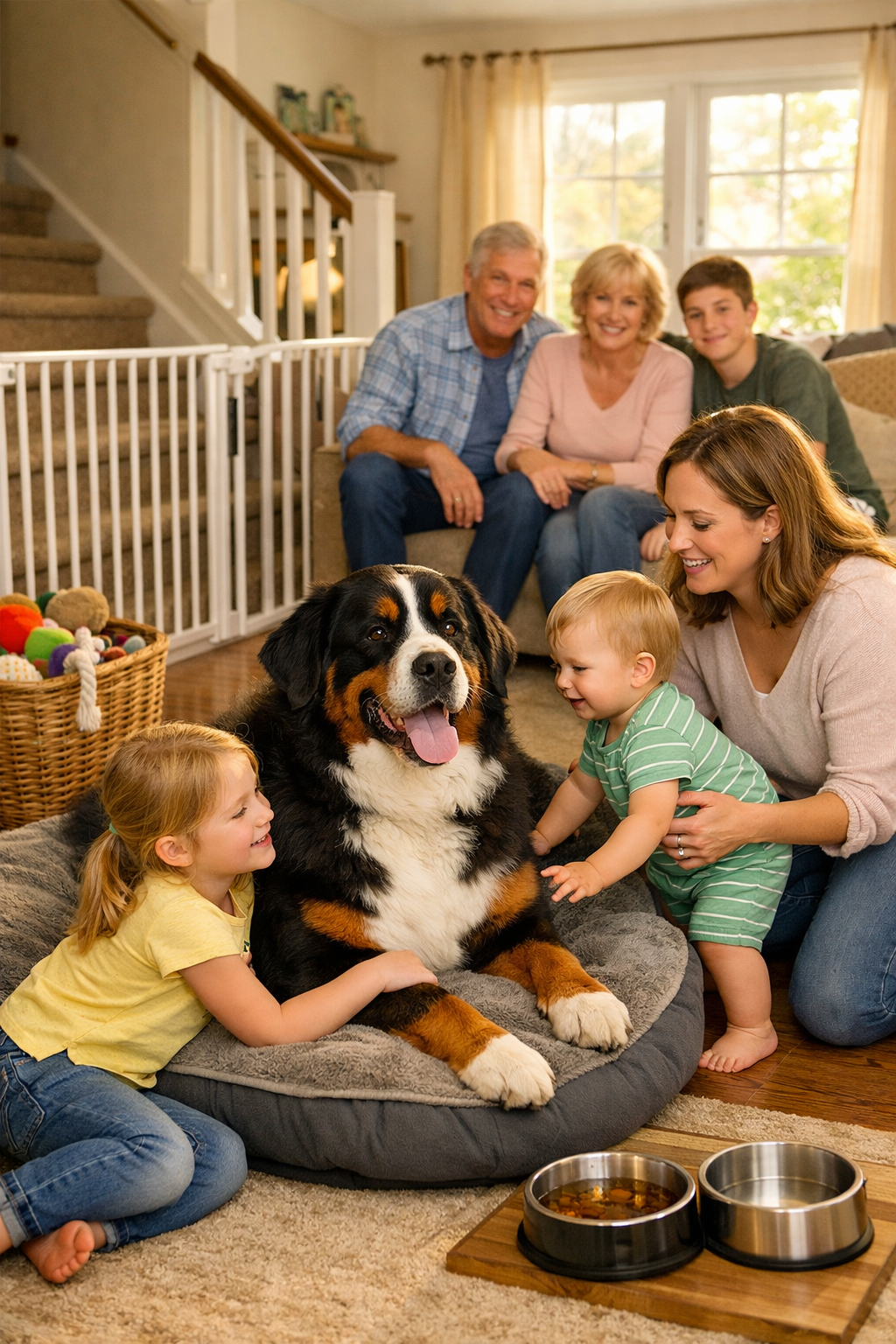
Transition Timeline
The first month home is crucial for establishing routines and building relationships. Here’s a realistic timeline for Bernese Mountain Dog 101: Everything You Need to Know Before Bringing One Home success:
🗓️ Week 1: Adjustment and Bonding
Days 1-3: Immediate Settling
- Quiet introduction to new environment
- Establish feeding schedule (same food as breeder initially)
- Begin house training routine with frequent outdoor trips
- Short, positive interactions with family members
- Limit visitors to reduce overwhelm
Days 4-7: Routine Building
- Consistent daily schedule for meals, potty breaks, and sleep
- Introduction to crate training if not already established
- Basic handling practice for future grooming and veterinary care
- Short training sessions focusing on name recognition and basic commands
- Gradual exploration of different areas of the home
🗓️ Week 2: Expanding Horizons
- Increased exploration of house and yard
- Introduction to leash and collar if puppy
- Continued socialization with family members
- Basic training sessions twice daily
- First veterinary visit if not completed
🗓️ Week 3: Building Confidence
- Introduction to new experiences (car rides, different surfaces)
- Meeting carefully selected visitors
- Longer training sessions with basic commands
- Increased exercise appropriate for age
- Problem-solving any emerging behavioral issues
🗓️ Week 4: Integration and Growth
- More complex training exercises
- Introduction to other pets if applicable
- Expanded socialization experiences
- Established routines that work for the family
- Assessment and adjustment of feeding, exercise, and training plans
Common First-Week Challenges
😰 Separation Anxiety
- Gradual alone time starting with very short periods
- Comfort items like worn clothing or special toys
- Calm departures and arrivals to avoid drama
- Mental enrichment to keep the dog occupied
- Professional help if anxiety is severe
🏠 House Training Accidents
- Frequent outdoor trips every 2-3 hours initially
- Consistent schedule for meals and potty breaks
- Immediate cleanup with enzymatic cleaners
- Positive reinforcement for outdoor success
- Patience and consistency without punishment
😴 Sleep Disruption
- Comfortable sleeping area that feels secure
- Consistent bedtime routine
- Appropriate exercise during the day
- Patience with adjustment period (may take several weeks)
- Gradual independence if co-sleeping isn’t desired
Building Strong Foundations
🤝 Bonding Activities:
Daily Care Routines:
- Hand feeding occasionally to build trust
- Gentle grooming sessions that are positive experiences
- Training sessions that end on successful notes
- Calm petting and massage
- Consistent, gentle handling for veterinary preparation
🎓 Early Training Priorities:
House Training:
- Frequent opportunities to succeed outdoors
- Consistent schedule tied to meals and wake times
- High-value rewards for outdoor elimination
- Supervision to prevent indoor accidents
- Patience during the learning process
Basic Manners:
- Name recognition through positive associations
- Sit for meals, attention, and greetings
- Come when called in secure environments
- Gentle play without mouthing or jumping
- Crate comfort for safety and future needs
Long-Term Ownership: What to Expect
Life Stages and Changing Needs
Understanding how your Bernese Mountain Dog will change throughout their life helps in planning for Bernese Mountain Dog 101: Everything You Need to Know Before Bringing One Home success across all life stages.
🐕 Puppyhood (8 weeks – 18 months): The Foundation Years
Physical Development:
- Rapid growth requiring careful nutrition and exercise management
- Growth plates closing around 18-24 months
- Coordination development improving throughout this period
- Adult coat beginning to develop around 12 months
Training and Socialization:
- Critical socialization period ending around 16 weeks
- Basic obedience training most effective during this time
- Impulse control gradually developing
- House training typically completed by 6-8 months
Common Challenges:
- Destructive chewing phase around 4-8 months
- Adolescent testing of boundaries around 6-18 months
- Energy fluctuations as they learn to self-regulate
- Size awareness development (learning they’re big!)
🐕 Young Adulthood (18 months – 3 years): The Prime Years
Physical Characteristics:
- Full size reached but still filling out
- Peak energy levels for the breed
- Athletic ability at its highest
- Reproductive maturity if not spayed/neutered
Behavioral Development:
- Settled personality becoming apparent
- Training reliability improving significantly
- Confidence in various situations
- Relationship stability with family members
Care Considerations:
- Regular exercise routine well-established
- Preventive health care crucial for long-term wellness
- Continued training to maintain skills
- Social opportunities to maintain friendliness
🐕 Middle Age (3-6 years): The Golden Years
Physical Status:
- Peak physical condition with proper care
- Stable weight and exercise needs
- Mature coat requiring consistent grooming
- Early health monitoring becoming important
Behavioral Maturity:
- Calm confidence in most situations
- Reliable training responses
- Established routines and preferences
- Strong family bonds fully developed
Health Considerations:
- Annual health screenings increasingly important
- Joint health monitoring and support
- Dental care preventing periodontal disease
- Weight management to prevent obesity
🐕 Senior Years (6+ years): The Wisdom Phase
Physical Changes:
- Decreased energy levels and exercise needs
- Joint stiffness especially in cold weather
- Possible weight gain due to reduced activity
- Sensory changes (hearing, vision) may begin
Behavioral Adjustments:
- Increased sleep requirements
- Preference for routine and familiar environments
- Possible anxiety about changes
- Continued affection but perhaps less exuberant
Enhanced Care Needs:
- More frequent veterinary checkups
- Joint supplements and pain management
- Modified exercise to maintain mobility
- Comfort measures like orthopedic bedding
Building Lifelong Bonds
🤗 Relationship Development:
Daily Bonding Opportunities:
- Consistent care routines that build trust
- Training sessions that strengthen communication
- Quiet companionship during relaxation time
- Adventure sharing appropriate to the dog’s abilities
- Gentle physical affection that respects the dog’s preferences
🌟 Creating Positive Associations:
Veterinary Care:
- Regular handling practice at home
- Positive experiences with car rides
- Treat associations with medical procedures
- Calm energy during stressful situations
Grooming and Care:
- Gentle introduction to all grooming tools
- Short, positive sessions building to longer ones
- High-value treats during grooming
- Patience with the dog’s comfort level
Social Situations:
- Continued socialization throughout life
- Positive experiences with new people and situations
- Confidence building through successful interactions
- Respect for the dog’s social preferences
Planning for the Future
📅 Long-Term Considerations:
Financial Planning:
- Increasing veterinary costs as the dog ages
- Potential for expensive health conditions
- Quality of life decisions and associated costs
- End-of-life care planning and expenses
Lifestyle Changes:
- Family changes (children, moves, job changes)
- Housing considerations as the dog ages
- Travel planning with an aging pet
- Support systems for care during absences
Health Advocacy:
- Building relationships with veterinary specialists
- Staying informed about breed-specific health advances
- Quality of life assessment tools and criteria
- Decision-making frameworks for difficult choices
Conclusion: Your Journey with a Bernese Mountain Dog
Bringing a Bernese Mountain Dog into your life isn’t just adding a pet—it’s welcoming a furry family member who will transform your daily routine, steal your favorite spot on the couch, and fill your heart with an indescribable warmth that makes every challenge worthwhile. This Bernese Mountain Dog 101: Everything You Need to Know Before Bringing One Home guide has covered the essential foundations, but your real education begins the moment those gentle eyes look into yours for the first time.
The journey ahead includes early morning potty breaks, tumbleweeds of fur during shedding season, and potentially heartbreaking health challenges. But it also promises unconditional love, a calm presence during life’s storms, and the kind of loyal companionship that makes every day brighter. Your Bernese Mountain Dog will teach you patience, show you the joy in simple moments, and demonstrate what true devotion looks like.
Your Next Steps:
🎯 Immediate Actions:
- Research reputable breeders or rescue organizations in your area
- Budget for initial and ongoing expenses to ensure financial readiness
- Prepare your home with necessary supplies and safety modifications
- Connect with local veterinarians experienced with large breeds
🎯 Ongoing Preparation:
- Continue learning about the breed through books, forums, and breed clubs
- Network with other Bernese Mountain Dog owners for support and advice
- Consider training classes even before bringing your dog home
- Plan for long-term care including emergency funds and support systems
The most successful Bernese Mountain Dog owners are those who enter the relationship with realistic expectations, genuine commitment, and hearts open to the profound joy these gentle giants bring to every aspect of life. Your furry family member is waiting—are you ready to begin this incredible adventure together? 🐾