(As an amazon affiliate, we earn a commission when purchasing via our links below)
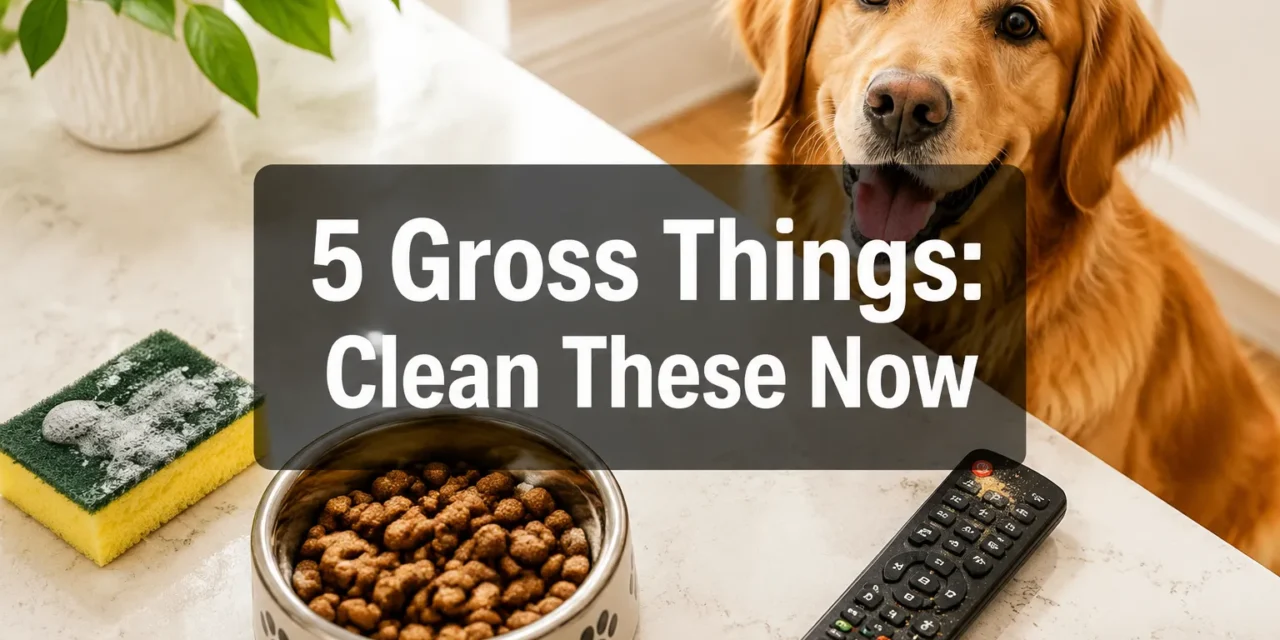
The average home has more bacteria per square inch on a kitchen sponge than on a toilet seat [10]. Let that sink in for a second. Now think about your dog. They lick their bowl, chew their leash, and snuggle into their bed every single night. If those items are not getting cleaned regularly, your furry best friend could be rolling around in a germ playground, and so could you.
This guide covers the 5 gross things you’re not cleaning (but should be), with a special focus on the items dog owners tend to forget. These are the sneaky, overlooked spots that collect bacteria, mold, and mystery gunk. The good news? Fixing this is easy, fast, and way less gross than ignoring it.
Key Takeaways
- 🐾 Pet food bowls are one of the dirtiest items in any home, they need daily washing
- 🧽 Kitchen sponges harbor more germs than almost any other household object
- 📺 TV remotes and dog leashes are touched constantly but almost never cleaned
- 🛏️ Dog beds and crates trap dander, bacteria, and moisture if not washed regularly
- ✅ A simple weekly cleaning routine can protect both you and your dog from harmful germs
Why Dog Owners Need to Know About These 5 Gross Things You’re Not Cleaning
Dogs are wonderful. They are loyal, silly, and full of love. But let’s be honest, they are also kind of gross sometimes. 🐶
Dogs lick things. They chew things. They drag their faces across the floor and then lick your face. That means anything your dog touches regularly becomes a hotspot for bacteria, yeast, and mold.
Most dog owners are great at picking up poop and giving baths. But the sneaky, forgotten items? Those often go weeks, or even months, without a proper clean.
Research shows that many common household items are far dirtier than people expect [10]. And when you add a dog into the mix, the germ count goes up even more.
Here is the thing: you do not need fancy products or hours of free time. You just need to know which items to target and how often to clean them.
1. Your Dog’s Food and Water Bowls 🐾
Why This Is One of the Grossest Things You’re Not Cleaning
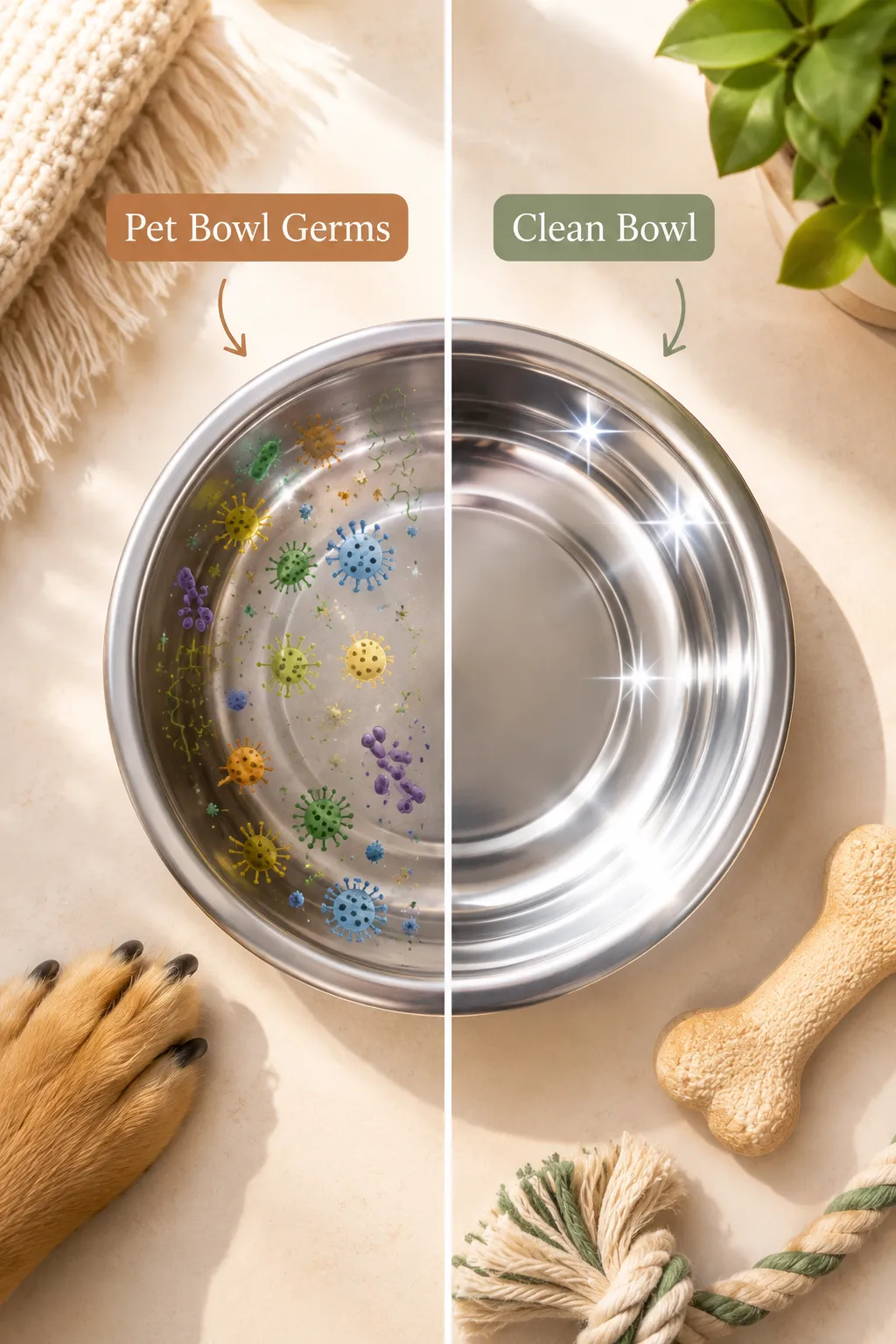
Pet food bowls rank among the dirtiest items in any home [10]. Think about it, wet dog food sits in a bowl for 20-30 minutes. Saliva mixes with food. Then the bowl sits on the floor until the next meal. That is a perfect recipe for bacterial growth.
A study of household germ hotspots found that pet bowls consistently rank in the top 5 dirtiest items in a home [3]. Bacteria like Salmonella, E. coli, and Listeria have all been found in pet food bowls that were not cleaned properly.
Water bowls are not much better. That slimy film you sometimes feel inside? That is called biofilm, a layer of bacteria that sticks to the surface and keeps growing.
💬 “A pet’s food bowl can carry millions of bacteria after just one meal. Rinsing is not enough.”
How Often Should You Clean It?
| Bowl Type | How Often to Clean |
|---|---|
| Food bowl | After every single meal |
| Water bowl | Daily rinse, deep clean every 2-3 days |
| Slow feeder bowl | After every meal (grooves trap food) |
What to Use
- Hot soapy water works great for daily washing
- Dishwasher (if the bowl is dishwasher-safe), use the hot cycle
- White vinegar soak once a week to break down biofilm
Recommended Products

- Stay Cold Dog Food Bowl: Small – 3 cup (25 oz) capacity water bowl for dogs, cats and pets. Metal dog water bowl in smal…
- Stainless Steel Dog Water Bowls: Premium extra-thick dog bowl stainless steel with non slip base. Rust-resistant and dis…
- Non-Slip Dog Bowls: Heavy weighted dog bowl with thick rubber non-slip ring base prevents sliding and tipping. Reduces s…
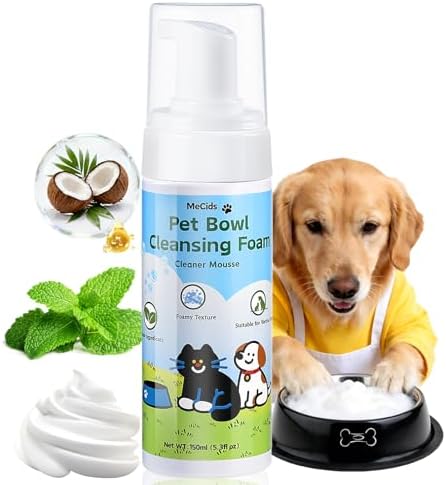
- Powerful Foam Cleaning: The rich mousse foam effectively removes stains from pet bowls, making cleaning faster and more …
- Natural Plant-Based Formula: Contains coconut and honeysuckle extracts with a natural plant fragrance, ensuring safe and…
- Long-lasting Protection: Provides sustained cleanliness, and ensuring a healthier eating environment for pets.

- 🐕Adjustable Height Dog Bowl Stand for Dogs of All Sizes: Say goodbye to bending down! Our elevated dog bowls can be adju…
- 🐕Neck and Joint Protection: Our raised dog food bowls not only help the dogs eat more ergonomically, protecting their ne…
- 🐕Dual 50 oz Thickened Stainless Steel Bowls with Larger Capacity: Welcome to compare! We’ve upgraded our stainless steel…
Pro tip: Stainless steel and ceramic bowls are much easier to keep clean than plastic. Plastic scratches easily, and bacteria hide in those tiny scratches. If your dog uses plastic bowls, it might be time to switch. 🔄
2. Kitchen Sponges (Yes, Even Dog Owners Use These) 🧽
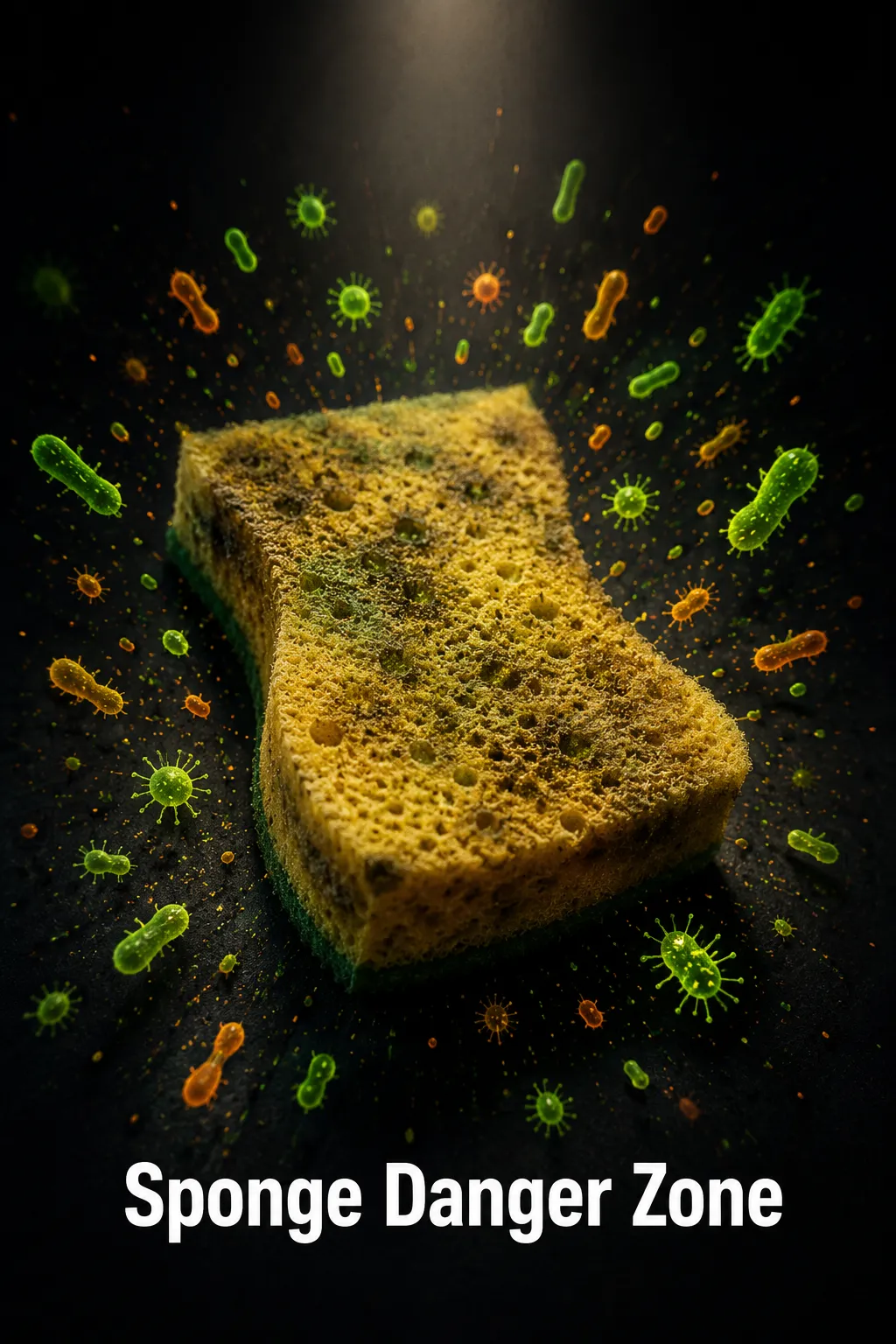
The Dirtiest Object in Your Home
Kitchen sponges are still the single worst household item for germs [1]. This is not an exaggeration. Scientists have found hundreds of different bacterial species living inside a single kitchen sponge [5].
The problem is the design. A sponge is warm, wet, and full of tiny spaces where bacteria can hide and multiply. Every time you wipe down your dog’s food area, the counter, or the sink, you are spreading those bacteria around, not cleaning them up.
For dog owners, this is extra important. If you use the same sponge to wipe your dog’s feeding mat and then wipe the kitchen counter, you are cross-contaminating everything [4].
💬 “Microwaving a sponge or soaking it in bleach water can reduce bacteria, but the safest move is replacing it every 1-2 weeks.” [5]
Signs Your Sponge Needs to Go
- 🚨 It smells bad (that sour smell = bacteria)
- 🚨 It has changed color in spots
- 🚨 It has been more than 2 weeks since you got it
- 🚨 You have used it to clean up raw meat or pet food
Better Alternatives
Some cleaning tools are much more hygienic than traditional sponges:
- Silicone scrubbers, do not absorb bacteria, easy to rinse
- Dish brushes, dry out faster, less bacteria growth
- Reusable cleaning cloths, wash in hot water to sanitize


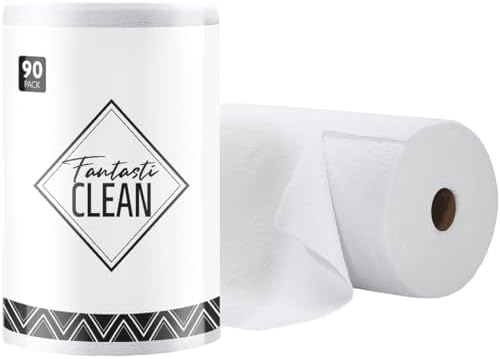
Quick tip for dog owners: Keep a separate sponge or cloth just for cleaning pet items. Label it with a colored rubber band so you never mix them up. 🎀
3. Dog Leashes, Collars, and Toys 🦮
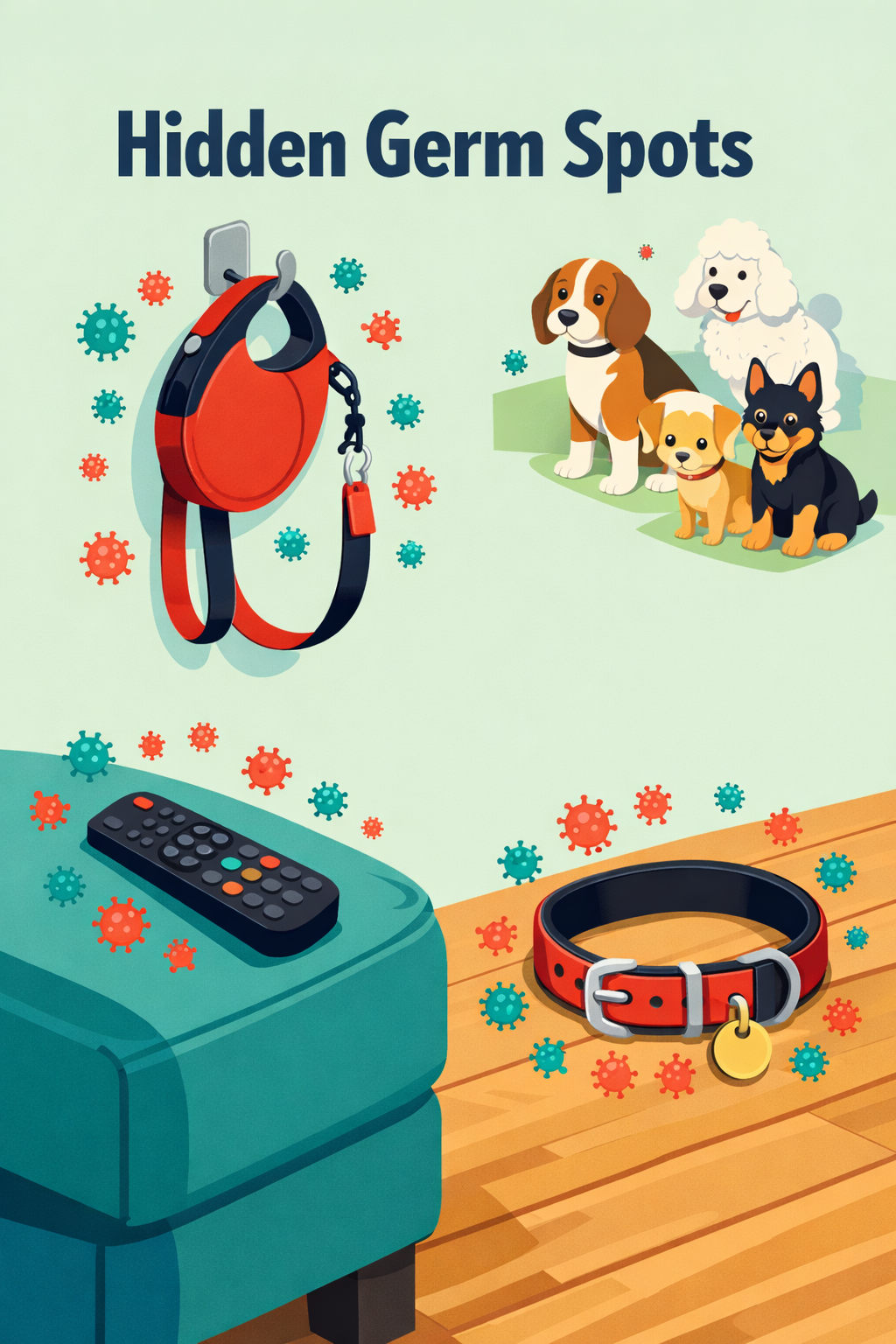
The Forgotten Items in Every Dog Owner’s Home
Here is something most dog owners never think about: when did you last clean your dog’s leash?
Your dog’s leash touches the ground, gets dragged through puddles, picks up dirt from the park, and gets handled by your hands every single day. Yet most leashes never get washed [7].
The same goes for collars. A collar sits against your dog’s skin 24/7. It absorbs sweat, oils, dirt, and bacteria. Over time, it can develop a smell and become a breeding ground for yeast and bacteria, which can actually cause skin irritation on your dog’s neck [6].
Dog toys are another big one. Soft plush toys collect saliva, dirt, and bacteria. Rubber chew toys can grow mold inside if they have holes or crevices. One study found that dog toys ranked among the top 10 dirtiest items in homes with pets [10].
How to Clean Each Item
Dog Leash:
- Nylon leash: Hand wash with warm soapy water, rinse well, air dry
- Leather leash: Wipe with a damp cloth, use leather conditioner
- How often: Once a month, or after any muddy walks
Dog Collar:
- Nylon collar: Soak in warm soapy water for 10 minutes, scrub with an old toothbrush, rinse, air dry
- Leather collar: Same as leather leash
- How often: Every 2-4 weeks
Dog Toys:
- Rubber/plastic toys: Wash in hot soapy water or top rack of dishwasher
- Plush toys: Toss in the washing machine on a gentle cycle
- How often: Every 1-2 weeks, or when visibly dirty

💬 “Most dog owners wash their hands after touching their dog, but forget that the leash and collar touch the same things their dog does.” [7]
4. Dog Beds, Blankets, and Crates 🛏️
One of the 5 Gross Things You’re Not Cleaning (But Should Be)
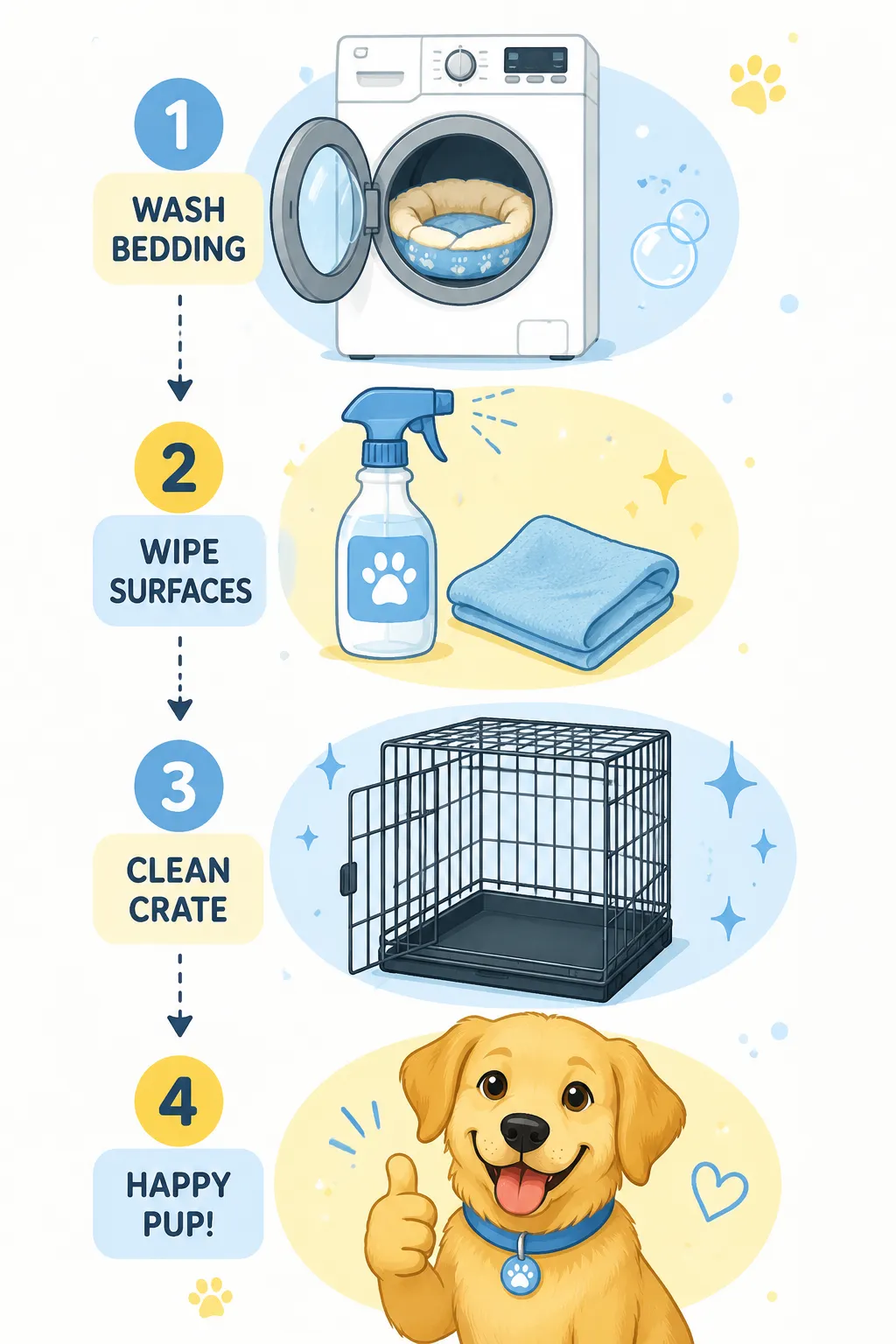
This one surprises a lot of people. Dog beds are warm, soft, and used every single night, which makes them a perfect home for bacteria, dust mites, mold, and pet dander [8].
If your dog goes outside, they bring dirt, pollen, and outdoor bacteria straight to their bed. If your dog has allergies or skin issues, a dirty bed can make things much worse.
Dog crates are often even more forgotten. The plastic tray at the bottom of a crate can collect urine, hair, and moisture. If it is not cleaned regularly, it can grow mold and produce a strong smell that you might not even notice anymore because you are used to it [6].
💬 “Pet bedding should be washed at least once a week, more often if your dog goes outside regularly or has skin issues.” [3]
The Cleaning Schedule That Actually Works
| Item | How Often | Method |
|---|---|---|
| Dog bed cover | Weekly | Washing machine, hot water |
| Dog bed insert/foam | Monthly | Spot clean + air out in sunlight |
| Dog blankets | Weekly | Washing machine |
| Crate tray | Weekly | Hot soapy water, rinse, dry fully |
| Crate bars/frame | Monthly | Wipe with pet-safe disinfectant |
Tips for Washing Dog Bedding
- Use hot water (at least 140°F / 60°C) to kill bacteria and dust mites
- Add a cup of white vinegar to the rinse cycle to neutralize odors
- Dry fully before putting back, damp bedding grows mold fast
- Sunlight is a natural disinfectant, air out foam inserts outside when possible ☀️


Bonus tip: If your dog’s bed has a strong smell even after washing, try sprinkling baking soda on it before washing. Let it sit for 15 minutes, then shake it off before putting it in the machine. 🧡
5. High-Touch Surfaces: Remotes, Door Handles, and Light Switches 📺
The Sneaky Germ Spots Nobody Thinks About
This last item is not dog-specific, but it matters a lot for dog owners. Think about everything you touch right after handling your dog, their food, or their waste.
TV remotes are one of the most touched and least cleaned items in any home [8]. Studies have found them to carry bacteria including Staphylococcus aureus, the same bacteria that causes staph infections [10].
Door handles and light switches are similar. You touch them dozens of times a day. Your dog might even nose them open. Yet most people never wipe them down [4].
For dog owners, this creates a direct contamination chain:
- You pick up dog poop 💩
- You wash your hands ✅
- You touch the door handle to come inside ❌
- You never clean the door handle 😬
💬 “High-touch surfaces like remotes and door handles can harbor more bacteria than a toilet seat, yet they are rarely on anyone’s cleaning list.” [10]
What to Clean and How Often
TV Remote:
- Remove batteries first
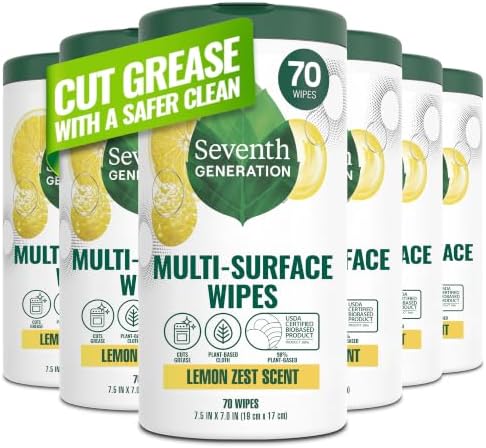
- Wipe with a disinfectant wipe or cloth dampened with isopropyl alcohol
- Use a toothpick to clean between buttons
- How often: Once a week
Door Handles:
- Wipe with disinfectant wipe or spray
- Pay extra attention to the handle you use when coming in from dog walks
- How often: 2-3 times per week
Light Switches:
- Wipe with a disinfectant wipe (do not spray directly, electricity!)
- How often: Once a week
Phone Screen:
- Use a microfiber cloth with a tiny bit of isopropyl alcohol
- How often: Daily (especially if you use your phone while handling pet food)

Quick Reference: The Forgotten Germ Spots Checklist
✅ Dog food bowl, wash after every meal ✅ Dog water bowl, rinse daily, deep clean every 2-3 days ✅ Kitchen sponge, replace every 1-2 weeks ✅ Dog leash, wash monthly ✅ Dog collar, wash every 2-4 weeks ✅ Dog toys, wash weekly ✅ Dog bed, wash weekly ✅ Dog crate tray, clean weekly ✅ TV remote, wipe weekly ✅ Door handles, wipe 2-3x per week ✅ Light switches, wipe weekly
Your Simple Weekly Cleaning Routine for Dog Owners 🗓️
Knowing about the 5 gross things you’re not cleaning (but should be) is one thing. Building a habit is another. Here is a simple routine that takes less than 30 minutes per week:
Every Day (5 minutes):
- Wash dog food bowl after each meal
- Rinse water bowl and refill with fresh water
Every Week (20 minutes):
- Wash dog bed cover and blankets
- Clean dog toys (rubber ones in dishwasher, soft ones in washing machine)
- Wipe TV remote, door handles, and light switches
- Replace or sanitize kitchen sponge
- Clean dog crate tray
Every Month (15 minutes):
- Deep clean dog collar and leash
- Wash dog bed foam insert or air it in sunlight
- Wipe down crate bars and frame
- Check and replace any worn-out cleaning tools

- Completely Eliminate Odors & Stains: Our ready-to-use Advanced Pet Odor Eliminator Sprays target the source of animal me…
- Bio Enzymatic Odor Destroyer: ACTIVE Pet Stain and Odor Remover Formula is specially made with Enzymes and Natural Probi…
- Professional Stain Removal: ACTIVE Enzyme Cleaners will easily get rid of mess and set-in stains in Carpets, Fabric, Flo…
Conclusion: Start Cleaning These 5 Gross Things Today
Nobody wants to think about bacteria and mold in their home. But for dog owners, staying on top of these hidden germ spots is one of the best things you can do for your health, and your dog’s health too.
The 5 gross things you’re not cleaning (but should be) are not hard to tackle. They just need to be on your radar. Once you build the habit, it becomes second nature.
Here are your next steps:
- Start with the dog bowl today. Wash it right after the next meal with hot soapy water.
- Check your kitchen sponge. If it smells or it has been more than 2 weeks, toss it.
- Grab a disinfectant wipe and clean your TV remote and door handles tonight.
- Set a weekly reminder on your phone to wash the dog bed and toys.
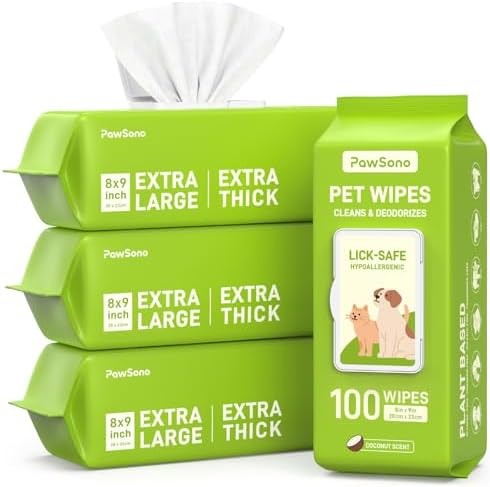
- Stock up on the right supplies, having pet-safe cleaners ready makes it so much easier.
Your dog trusts you to keep them safe and healthy. A clean home is one of the easiest ways to do that. 🐾❤️
References
[1] What To Clean House Bacteria – https://time.com/7278769/what-to-clean-house-bacteria/
[3] Places We Forget To Clean – https://www.goodhousekeeping.com/uk/house-and-home/household-advice/a570662/places-we-forget-to-clean/
[4] 6 Dirtiest Things In The House That You Re Forgetting To Clean Article 13842537 – https://www.moneycontrol.com/lifestyle/home-garden/6-dirtiest-things-in-the-house-that-you-re-forgetting-to-clean-article-13842537.html
[5] 2117653 Attack Of The Household Products Hygienes Hidden Risks – https://www.newscientist.com/article/2117653-attack-of-the-household-products-hygienes-hidden-risks/
[6] Places People Forget Clean – https://www.demilked.com/places-people-forget-clean/
[7] 7 Things We Avoid Cleaning But We Really Should – https://www.tomsguide.com/how-to/7-things-we-avoid-cleaning-but-we-really-should
[8] Things In Your Home That Are Way Grosser Than You Realize – https://www.buzzfeed.com/tomvellner/things-in-your-home-that-are-way-grosser-than-you-realize
[10] 15 Items Dirtier Than Your Toilet Seat According To Experts – https://www.theguardian.com/society/2025/jul/17/15-items-dirtier-than-your-toilet-seat-according-to-experts