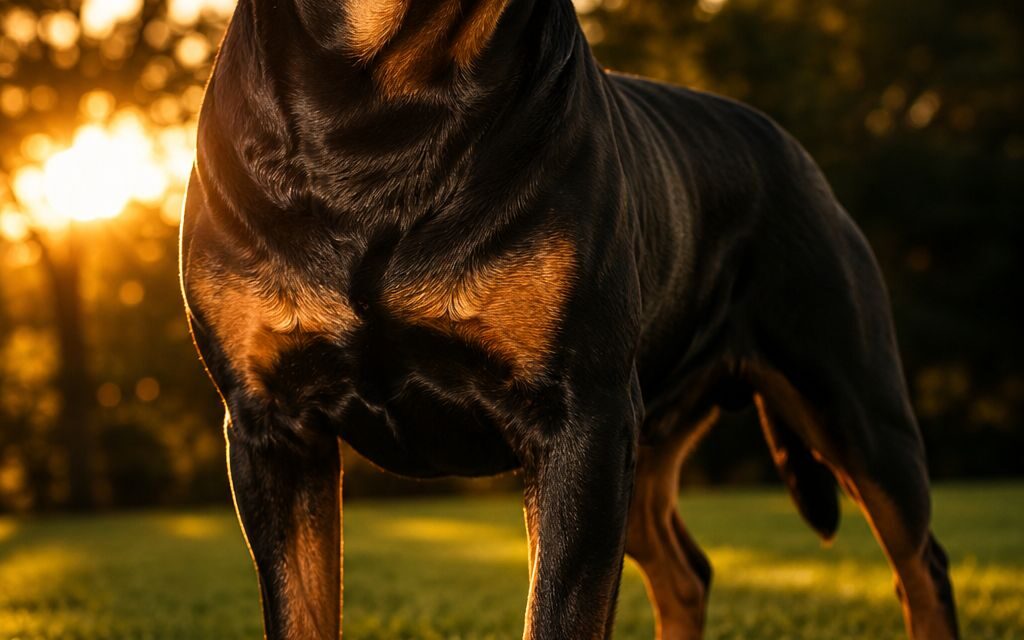
Nearly 25–30% of all dogs in the United States are overweight or obese — and Rottweilers are one of the breeds most at risk. Their big, powerful frames can hide extra pounds for a long time, making it easy for owners to miss the warning signs until serious health problems appear. That’s why knowing the 7 Rottweiler weight management tips – avoid obesity is so important for every Rottweiler parent.

Obesity in Rottweilers isn’t just a cosmetic issue. It puts extra stress on their joints, shortens their lifespan, and raises the risk of diabetes, heart disease, and painful arthritis. The good news? With the right knowledge and a few simple habits, keeping your Rottweiler at a healthy weight is very doable.
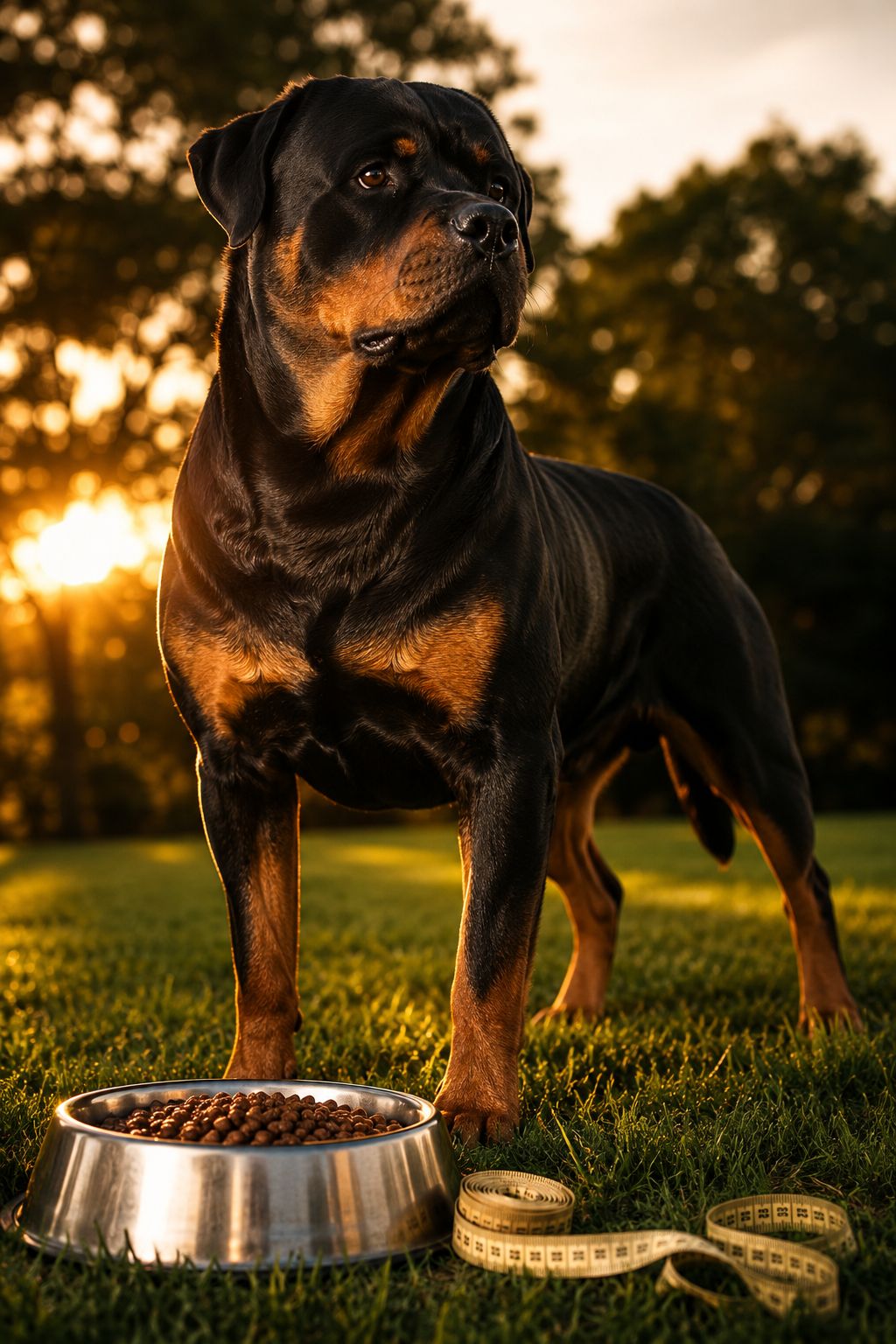
Key Takeaways
- 🐾 Rottweilers are prone to weight gain because of their large size, love of food, and tendency to be less active as they age.
- 🥩 Portion control and high-quality food are the two most powerful tools for preventing obesity.
- 🏃 Daily exercise is non-negotiable — even 30–45 minutes a day makes a huge difference.
- 🩺 Regular vet check-ups help catch weight gain early before it becomes a serious problem.
- 🚫 Table scraps and too many treats are among the top causes of Rottweiler obesity.
Why Rottweilers Are Prone to Obesity
Before diving into the 7 Rottweiler weight management tips – avoid obesity, it helps to understand why this breed struggles with weight in the first place.
Rottweilers are naturally muscular and stocky. But that same sturdy build means extra fat can build up without being obvious right away. Here are the main reasons Rottweilers gain weight:
| Reason | Why It Matters |
|---|---|
| Large appetite | Rottweilers love to eat and will overeat if allowed |
| Slower metabolism with age | Older Rotties burn fewer calories |
| Joint problems | Pain from hip dysplasia reduces activity |
| Overfeeding by owners | Love often comes in the form of extra treats |
| Spaying/neutering | Can slow metabolism by up to 20–30% |
| Genetics | Some Rottweilers are genetically predisposed to weight gain |
💡 Quick Fact: A healthy adult male Rottweiler should weigh between 95–135 lbs. Females should weigh between 80–100 lbs. Anything significantly above these ranges needs attention.
How to Tell If Your Rottweiler Is Overweight
Before jumping into tips, check your dog’s current weight status. Here’s a simple way to do it at home:
The Rib Test:
- Run your hands along your Rottweiler’s sides.
- You should be able to feel the ribs without pressing hard.
- If you can’t feel them at all, your dog is likely carrying too much weight.
- If the ribs are very visible, the dog may be underweight.
Body Shape Check:
- Look at your Rottweiler from above.
- A healthy dog should have a visible waist behind the rib cage.
- From the side, the belly should tuck up slightly — not hang down.
7 Rottweiler Weight Management Tips – Avoid Obesity
Now for the main event! These seven tips are practical, vet-approved, and easy to start today. 🐕
Tip 1: Measure Every Single Meal
Free-feeding (leaving food out all day) is one of the fastest ways to create an overweight Rottweiler. Most owners pour food by eye — and almost always pour too much.
What to do instead:
- Use a proper measuring cup or a kitchen scale for every meal.
- Follow the feeding guidelines on your dog food bag as a starting point, not a rule.
- Adjust portions based on your vet’s recommendation and your dog’s activity level.
🐾 Pro Tip: A Rottweiler that gets moderate exercise typically needs about 3–5 cups of high-quality dry kibble per day, split into two meals. But this varies by age, size, and activity level — always confirm with your vet.
Meal frequency matters too:
- Puppies (under 6 months): 3 meals per day
- Adolescents (6–12 months): 2–3 meals per day
- Adults: 2 meals per day
- Seniors: 2 smaller meals per day (lower calorie)
Tip 2: Choose the Right Dog Food
Not all dog foods are created equal. Some are packed with fillers, corn syrup, and empty calories that cause rapid weight gain. Choosing the right food is a core part of the 7 Rottweiler weight management tips – avoid obesity plan.
Look for these on the label:
- ✅ Real meat (chicken, beef, lamb) as the first ingredient
- ✅ High protein content (at least 22–26% protein for adults)
- ✅ Moderate fat (around 12–16%)
- ✅ Low glycemic carbohydrates (sweet potato, brown rice)
- ✅ No artificial colors, flavors, or preservatives
Avoid foods with:
- ❌ Corn syrup or sugar
- ❌ Generic “meat by-products” as the main protein
- ❌ Excessive fillers like corn, wheat, or soy as top ingredients
Weight management formulas are a great option for Rottweilers that are already overweight. These foods have fewer calories per cup while still providing full nutrition.
Tip 3: Cut Back on Treats and Table Scraps
This one is tough because giving treats feels like love. But treats and table scraps are often the hidden culprits behind Rottweiler obesity.
The math is eye-opening:
- A single slice of cheese given daily adds up to over 5,000 extra calories per year.
- That’s the equivalent of roughly 1.5 lbs of extra body fat annually — just from one small treat.
Smarter treat habits:
- Treats should make up no more than 10% of daily calories.
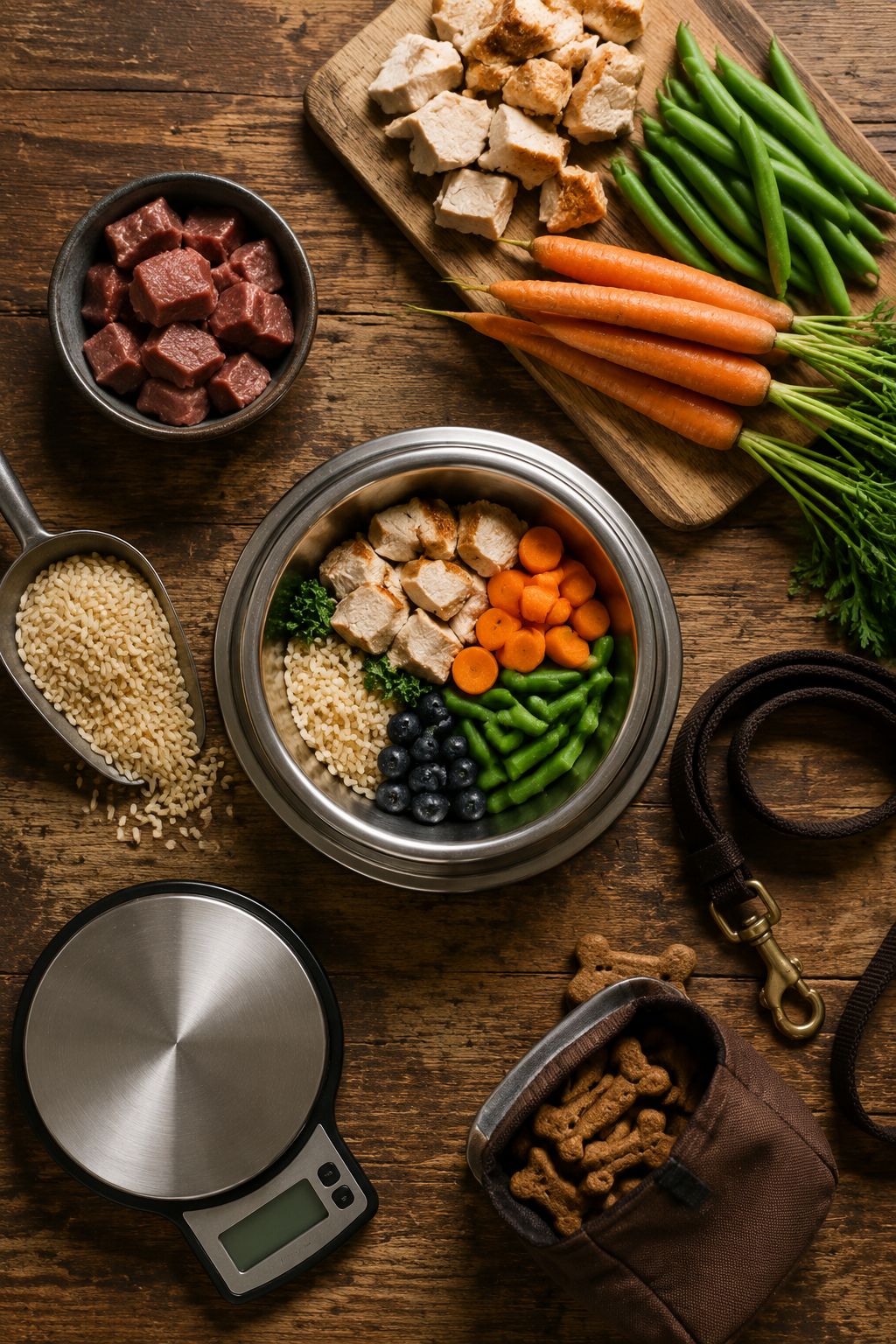
- Use low-calorie treats like baby carrots, cucumber slices, or plain cooked chicken.
- Break treats into smaller pieces so your dog still feels rewarded without eating more.
- Never feed from the table — this builds bad habits and adds hidden calories fast.
🚫 Foods to NEVER give your Rottweiler: Grapes, raisins, chocolate, onions, garlic, macadamia nuts, xylitol (found in sugar-free products). These are toxic to dogs.
Tip 4: Build a Daily Exercise Routine
Exercise is the other half of the weight management equation. Rottweilers are working dogs — they were bred to herd cattle and pull carts. They need to move.
Recommended daily exercise for Rottweilers:
| Age | Daily Exercise Goal |
|---|---|
| Puppy (under 6 months) | 5 min per month of age, twice daily |
| Adolescent (6–18 months) | 30–45 minutes, low-impact |
| Adult (2–7 years) | 45–60 minutes of vigorous activity |
| Senior (7+ years) | 20–30 minutes of gentle activity |
Great exercise options for Rottweilers:
- 🚶 Brisk walks — the easiest and most consistent option
- 🏊 Swimming — excellent for dogs with joint issues
- 🎾 Fetch — burns lots of energy in a short time
- 🧠 Mental stimulation — puzzle toys and training sessions burn calories too
- 🚴 Bikejoring — running alongside a bicycle (for fit adult Rotties)
Important: Don’t exercise your Rottweiler right after meals. Wait at least 1–2 hours to reduce the risk of bloat (GDV), a dangerous condition in large breeds.
Tip 5: Schedule Regular Vet Weigh-Ins
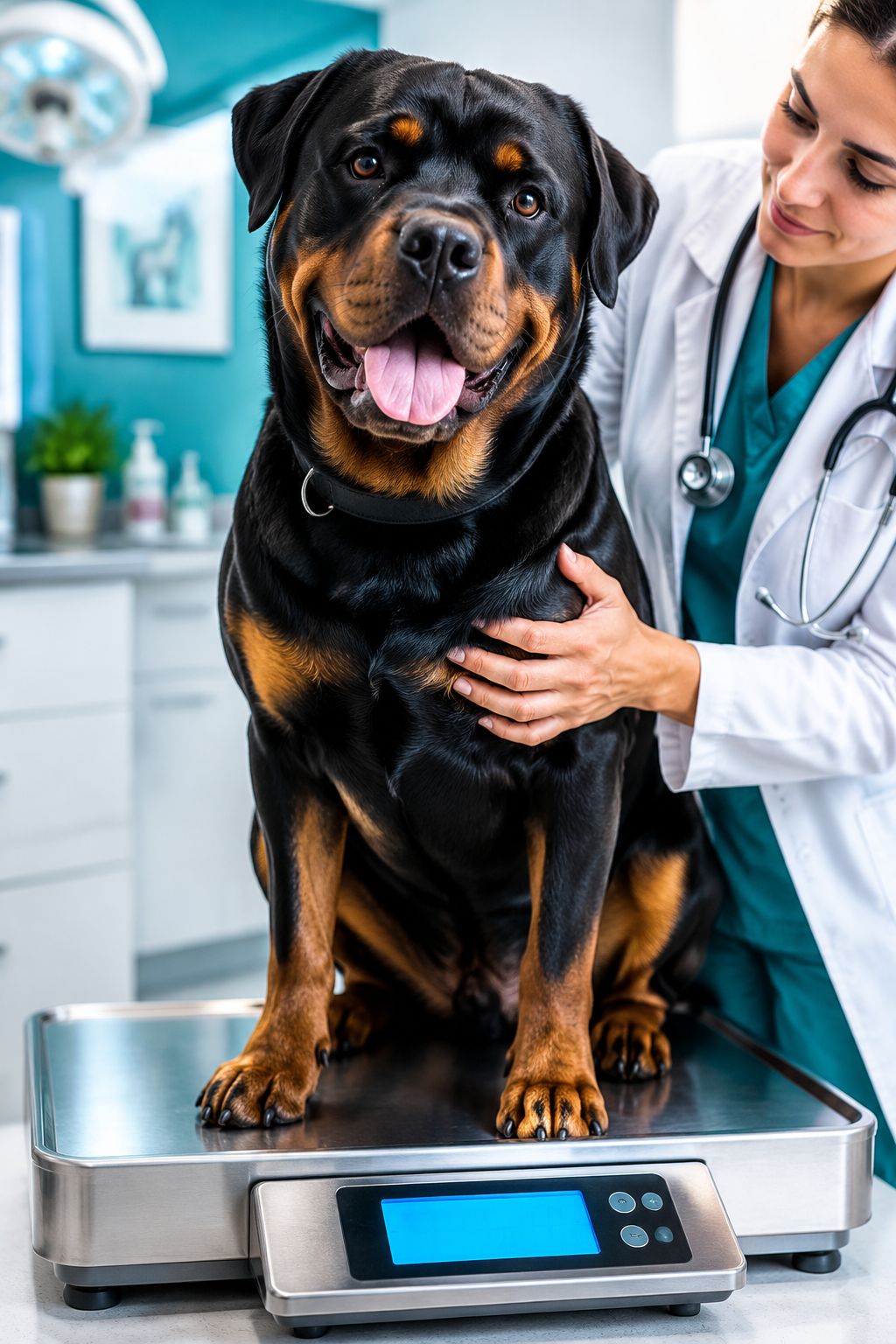
Home monitoring is great, but nothing replaces a professional check-up. Vets can catch weight gain early and rule out medical causes like hypothyroidism — a condition that slows metabolism and causes weight gain in dogs.
What to expect at a weight check visit:
- Official weigh-in on a calibrated scale
- Body condition score (BCS) assessment on a 1–9 scale
- Blood work to rule out hormonal issues
- Personalized calorie targets from your vet
How often should you go?
- Healthy adult Rottweilers: once a year minimum
- Overweight Rottweilers: every 3–6 months until at goal weight
- Senior Rottweilers (7+): twice a year
💬 Ask your vet: “What is my Rottweiler’s ideal weight range?” and “How many calories should my dog eat per day?” These two questions alone can transform your weight management plan.
Tip 6: Monitor Progress at Home
Between vet visits, keep track of your Rottweiler’s weight at home. Catching a small gain early is much easier than dealing with a large one later.
Simple home monitoring tools:
- 📊 A pet weight log — write down weight weekly or monthly
- 📸 Monthly photos — take pictures from above and from the side to track body shape changes
- 🖐️ The rib test — do this once a week to feel for changes
- ⚖️ A bathroom scale trick — weigh yourself, then hold your dog and weigh again. Subtract your weight to get your dog’s weight.
Track these key numbers:
- Current weight vs. ideal weight
- Weekly food intake (cups per day)
- Weekly exercise minutes
- Number of treats per day
Keeping a simple notebook or phone note with this info makes it easy to spot trends before they become problems.
Tip 7: Address Emotional Eating and Boredom
Yes, dogs can emotionally eat! Boredom, anxiety, and stress can all lead to overeating in Rottweilers — especially if food is always available.
Signs your Rottweiler may be eating out of boredom:
- Constantly begging even right after meals
- Eating very fast without chewing
- Seeking food when left alone
- Destructive behavior that stops when food is offered
Solutions:
- 🧩 Puzzle feeders and slow bowls — make mealtime a mental workout
- 🦴 Kong toys stuffed with healthy fillings — keeps dogs busy without extra calories
- 📅 Consistent daily schedule — Rottweilers thrive on routine
- 🐕 More playtime and training — a mentally tired Rottweiler is less likely to beg
- 🧘 Address anxiety — if your dog seems stressed, talk to your vet about behavioral support
🐾 Fun Idea: Freeze a Kong toy stuffed with plain pumpkin puree and a bit of low-fat plain yogurt. It’s low-calorie, takes a long time to eat, and keeps your Rottweiler entertained for 20+ minutes!
Healthy Rottweiler Weight Management: A Sample Weekly Plan
Here’s a simple weekly plan that puts all 7 tips together:
| Day | Meals | Exercise | Monitoring |
|---|---|---|---|
| Monday | 2 measured meals | 45-min walk | Rib check |
| Tuesday | 2 measured meals | 30-min fetch | Photo (monthly) |
| Wednesday | 2 measured meals | 45-min walk | Log food intake |
| Thursday | 2 measured meals | Swimming (20 min) | Count treats |
| Friday | 2 measured meals | 45-min walk | Rib check |
| Saturday | 2 measured meals | 60-min hike or play | Weigh-in |
| Sunday | 2 measured meals | Rest/gentle walk | Review weekly log |
Common Mistakes That Lead to Rottweiler Obesity
Even well-meaning owners make these mistakes. Knowing them helps avoid them! 🙈
❌ Mistake 1: Trusting the bag guidelines blindly Dog food bags often overestimate serving sizes. Always cross-check with your vet.
❌ Mistake 2: Giving treats during training without adjusting meals If your Rottweiler gets 20 training treats in a session, reduce their meal portion that day.
❌ Mistake 3: Assuming a big dog needs more food Rottweilers need food based on their ideal weight and activity level — not their current (possibly overweight) size.
❌ Mistake 4: Skipping exercise on cold or rainy days Rottweilers still need to move in bad weather. Indoor games, stair climbing, or short walks with a doggy raincoat work great.
❌ Mistake 5: Giving up too quickly Healthy weight loss in dogs is slow — about 1–2% of body weight per week. Be patient and consistent.
The Health Risks of Ignoring Rottweiler Obesity
This section is serious but important. Obesity in Rottweilers isn’t just about looks — it’s a medical condition with real consequences.
Health problems linked to obesity in Rottweilers:
- 🦴 Joint disease and arthritis — extra weight destroys cartilage faster
- ❤️ Heart disease — the heart works harder to pump blood through a larger body
- 🩸 Type 2 diabetes — fat cells interfere with insulin function
- 😮💨 Breathing problems — fat around the chest restricts lung expansion
- 🎗️ Higher cancer risk — obesity is linked to several types of cancer in dogs
- ⏳ Shorter lifespan — studies show obese dogs live 2.5 years less on average than lean dogs
💬 The bottom line: Every pound of extra weight on a Rottweiler puts 4–5 lbs of extra pressure on their joints. For a dog already prone to hip dysplasia, that’s a serious problem.
Rottweiler Weight Management Tips – Avoid Obesity: Quick Reference Guide
Here’s a fast summary of all 7 tips to bookmark and refer back to:
- 🥣 Measure every meal — use a scale or measuring cup, never eyeball it
- 🥩 Choose quality food — real meat first, low fillers, right protein/fat ratio
- 🚫 Limit treats — max 10% of daily calories, use healthy low-cal options
- 🏃 Exercise daily — 45–60 minutes for healthy adults
- 🩺 Visit the vet regularly — at least once a year for weigh-ins and check-ups
- 📊 Track progress at home — weekly weigh-ins, photos, food logs
- 🧩 Fight boredom eating — puzzle feeders, Kongs, training sessions, and routine
Frequently Asked Questions
Q: How quickly should a Rottweiler lose weight? Safe weight loss is slow — about 1–2% of body weight per week. For a 120 lb Rottweiler, that’s about 1.2–2.4 lbs per week. Never put a dog on a crash diet without vet supervision.
Q: Is grain-free food better for Rottweiler weight management? Not necessarily. Grain-free diets aren’t automatically lower in calories. Some grain-free foods are actually higher in fat. Focus on total calorie content and ingredient quality instead.
Q: Can a Rottweiler be too muscular and look overweight? Yes! Very muscular Rottweilers can look heavy but actually be at a healthy weight. This is why the rib test and body condition score matter more than the number on the scale alone.
Q: What’s the best low-calorie treat for Rottweilers? Baby carrots, cucumber slices, plain cooked chicken breast, blueberries, and watermelon (seedless) are all great low-calorie options that most Rottweilers love.
Conclusion
Managing your Rottweiler’s weight doesn’t have to be complicated or stressful. By following these 7 Rottweiler weight management tips – avoid obesity, you’re giving your dog the best possible chance at a long, healthy, and happy life. 🐕❤️
Here are your actionable next steps:
- ✅ This week: Do the rib test and take a “before” photo of your Rottweiler from above and from the side.
- ✅ This week: Measure your dog’s current daily food intake and compare it to vet-recommended calorie guidelines.
- ✅ This month: Schedule a vet weigh-in and ask for a body condition score.
- ✅ Starting today: Swap one high-calorie treat for a low-calorie option like baby carrots.
- ✅ Starting today: Commit to at least 30 minutes of daily exercise — even a brisk walk counts!
Remember, your Rottweiler depends on you to make the right choices. Small, consistent changes add up to big results over time. A lean, active Rottweiler is a happier Rottweiler — and that’s a reward worth working for. 🐾
Tags: Rottweiler weight management, avoid dog obesity, Rottweiler diet tips, healthy Rottweiler weight, dog weight loss, Rottweiler exercise, overweight Rottweiler, dog nutrition, Rottweiler health, pet obesity prevention, large breed dog diet, Rottweiler care