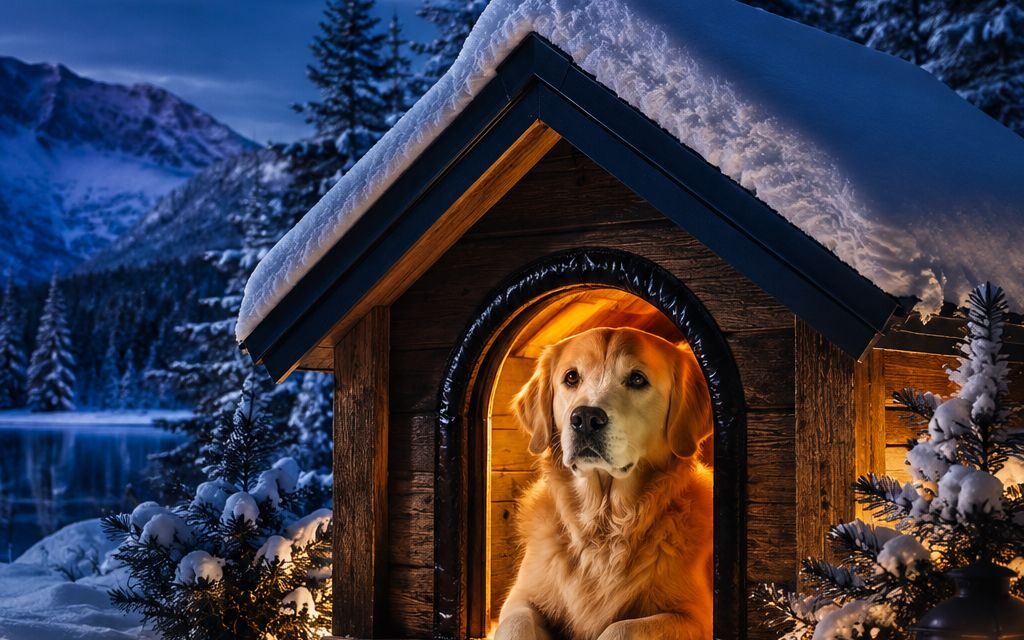
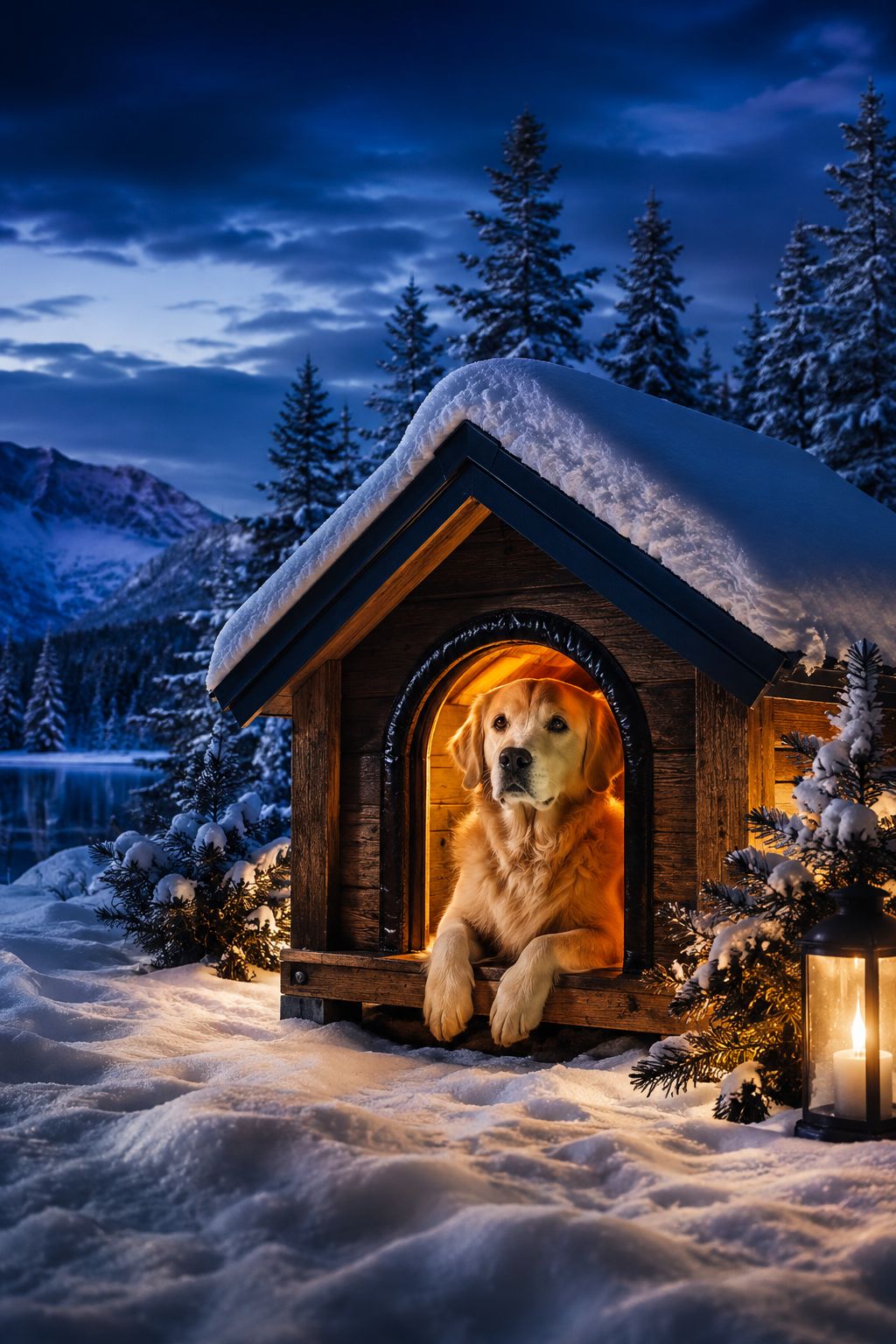
Dogs left outside in freezing temperatures face a real danger — hypothermia can set in when temps drop below 32°F (0°C), and small or short-haired breeds can suffer even faster. Yet millions of pet owners don’t realize their dog’s house offers little more protection than a cardboard box in winter. That’s exactly why these 12 Insulated Dog House Hacks for Freezing Winters exist — to give your pup a safe, warm shelter without spending a fortune.

Whether your dog sleeps outside full-time or just needs a cozy retreat during cold snaps, these clever, budget-friendly hacks will make a huge difference. Keep reading to learn the best ways to winterize your dog’s home before the next freeze hits.
Key Takeaways
- 🐾 Insulation is life-saving — proper insulation can raise the inside of a dog house by 10–20°F compared to outside temps.
- 🏠 Size matters — a dog house that’s too big won’t trap body heat; the right size is key.
- 💡 DIY hacks work great — foam boards, reflective insulation, and old blankets are cheap and effective.
- 🌬️ Draft-proofing is just as important as adding insulation materials.
- 🌡️ Monitor temperature inside the dog house regularly during cold weather.
Why Your Dog Needs a Properly Insulated House
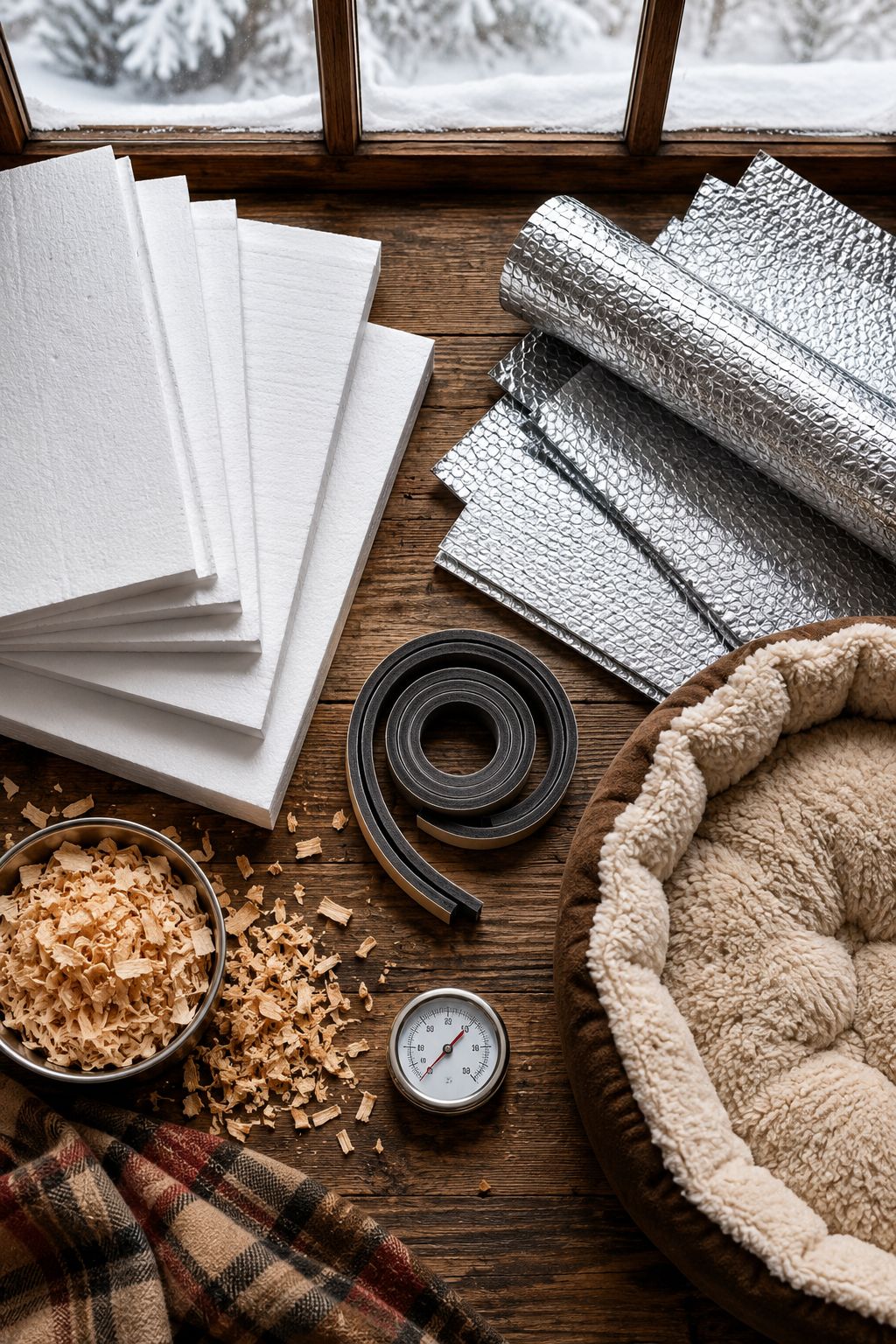
Cold weather is no joke for dogs. Even thick-coated breeds like huskies or malamutes can get dangerously cold if their shelter isn’t set up right. For short-haired dogs, seniors, puppies, or small breeds, freezing temps are especially risky.
A good dog house does more than block wind. It traps body heat, keeps moisture out, and gives your dog a safe place to rest. Without proper insulation, cold air seeps in from every direction — the floor, walls, and roof.
Here’s a quick look at how different dog breeds handle cold:
| Breed Type | Cold Tolerance | Extra Insulation Needed? |
|---|---|---|
| Husky / Malamute | High | Sometimes |
| Labrador / Golden Retriever | Medium | Yes |
| Chihuahua / Greyhound | Low | Absolutely |
| Puppy or Senior Dog | Very Low | Always |
| Short-haired breeds | Low | Absolutely |
💬 “A well-insulated dog house can feel 10 to 20 degrees warmer inside than outside — that difference can save your dog’s life.”
Now let’s get into the good stuff. Here are the best 12 Insulated Dog House Hacks for Freezing Winters you can start using today.
The 12 Insulated Dog House Hacks for Freezing Winters
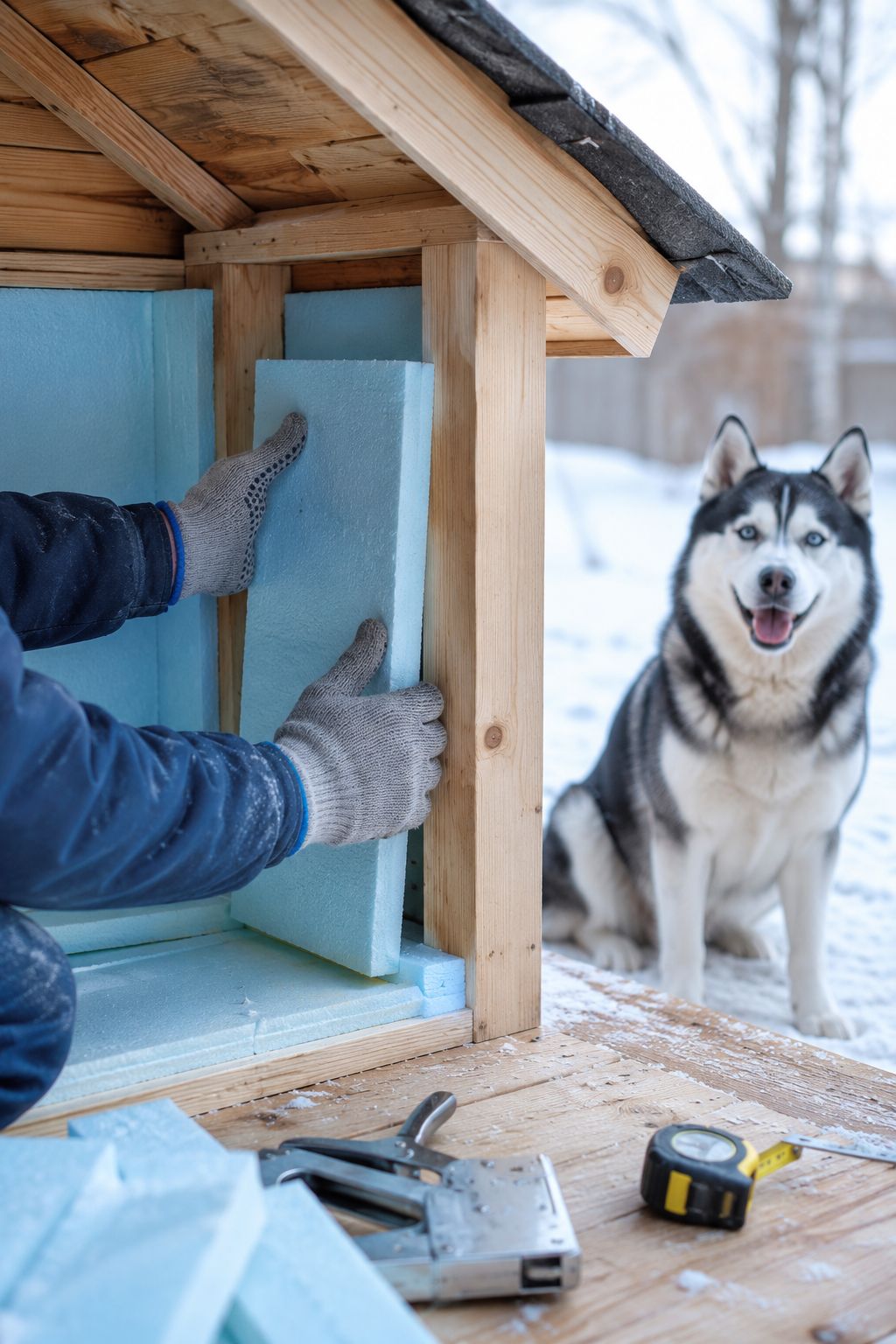
Hack 1: 🧱 Add Foam Board Insulation to the Walls
Foam board insulation is one of the cheapest and most effective materials out there. It’s sold at any hardware store for just a few dollars per sheet.
How to do it:
- Measure the inside walls of the dog house.
- Cut foam boards to fit snugly.
- Attach with non-toxic construction adhesive or staples.
- Cover with thin plywood or wood panels so your dog can’t chew the foam.
Foam board can cut heat loss by up to 50%. That’s a massive improvement for very little cost.
Hack 2: 🪟 Insulate the Floor First
Heat rises — but cold comes from the ground. A cold floor is one of the biggest reasons dogs get chilly at night. The floor is the most important surface to insulate.
Easy floor insulation options:
- Cedar shavings — natural, aromatic, and repels fleas 🌿
- Foam board under a wood floor — very effective
- Thick rubber mat — waterproof and easy to clean
- Straw — old-fashioned but works great (avoid hay — it holds moisture)
Replace straw or cedar shavings every 2–3 weeks to keep things dry and fresh.
Hack 3: 🚪 Hang a Door Flap
Wind is the enemy. Even a well-insulated house loses heat fast if cold air blows straight through the door opening.
A simple door flap made from heavy rubber or vinyl stops drafts instantly. You can buy ready-made dog door flaps online, or DIY one using:
- A strip of thick rubber mat
- An old conveyor belt piece
- Heavy-duty vinyl from a fabric store
Cut vertical slits in the flap so your dog can push through easily. Attach it with screws or heavy-duty staples along the top of the door opening.
🐕 Pro Tip: Offset the door to one side of the house (not the center) to reduce wind exposure even more.
Hack 4: 🪞 Use Reflective Bubble Insulation
Reflective bubble insulation (like Reflectix) is a thin, flexible material that bounces radiated heat back into the space. It’s commonly used in attics and RVs — and it works brilliantly in dog houses.
Why it’s great:
- Very lightweight and easy to cut
- Can be stapled directly to walls and ceiling
- Reflects up to 97% of radiant heat back inside
- Waterproof and moisture-resistant
Layer it under the floor boards or staple it to the ceiling for maximum effect. Combine it with foam board for even better results.
Hack 5: 🌡️ Raise the Dog House Off the Ground
Cold ground sucks heat away from the dog house fast. Raising the structure just 2–4 inches off the ground creates an air gap that acts as a natural insulator.
Simple ways to elevate:
- Wooden pallets (free from many stores!)
- Cinder blocks at each corner
- Pressure-treated lumber legs
- Pre-made plastic risers
This also prevents moisture and snow from seeping under the floor. It’s one of the easiest and most impactful hacks on this list.
Hack 6: 🛏️ Add a Self-Warming Dog Bed or Blankets
Insulating the structure is great — but don’t forget the bedding! A cozy bed inside a well-insulated house makes a huge difference in your dog’s comfort.
Best bedding options for winter:
| Bedding Type | Warmth Level | Easy to Clean? |
|---|---|---|
| Self-warming pet bed | ⭐⭐⭐⭐⭐ | Yes |
| Fleece blankets | ⭐⭐⭐⭐ | Yes |
| Cedar shavings | ⭐⭐⭐ | Replace regularly |
| Straw | ⭐⭐⭐ | Replace regularly |
| Old sleeping bag | ⭐⭐⭐⭐ | Somewhat |
Self-warming beds use your dog’s own body heat — no electricity needed. They’re safe, affordable, and very effective.
Hack 7: 🔒 Seal All Gaps and Cracks
Even tiny gaps in the walls, floor, or roof let cold air in and warm air out. Walk around the dog house and look for any cracks, holes, or spaces where light shows through.
Tools for sealing gaps:
- Weatherstripping tape — great for door edges
- Expanding foam spray — fills odd-shaped gaps fast
- Silicone caulk — seals seams between boards
- Duct tape — quick temporary fix
Pay special attention to corners, roof joints, and anywhere two pieces of wood meet. Sealing gaps is free or nearly free — and it makes a big difference.
Hack 8: 🏔️ Make the Dog House the Right Size
This one surprises many people. Bigger is NOT better when it comes to winter dog houses.
A dog house that’s too large won’t trap your dog’s body heat. The space inside should be just big enough for your dog to:
- Stand up fully
- Turn around comfortably
- Lie down stretched out
That’s it. The smaller the space (within reason), the easier it is for body heat to warm the air inside.
📏 Quick Sizing Guide:
- Small dogs (under 25 lbs): ~2′ x 2′ floor space
- Medium dogs (25–60 lbs): ~3′ x 3′ floor space
- Large dogs (60–100 lbs): ~4′ x 4′ floor space
- Extra-large dogs (100+ lbs): ~4′ x 5′ floor space
If the current dog house is too big, add an interior wall or partition to reduce the space.
Hack 9: ☀️ Position the Dog House Strategically
Where the dog house sits matters a lot. Smart placement can cut wind chill dramatically and even use natural sunlight for warmth.
Best placement tips:
- Face the door away from prevailing winds (usually north or west in the US)
- Place in a sunny spot to absorb daytime warmth
- Put it near a fence or wall for extra wind protection
- Avoid low-lying areas where cold air and moisture collect
This hack costs absolutely nothing — it’s just smart thinking. Moving a dog house to a better spot can make it noticeably warmer inside.
Hack 10: 💡 Add a Safe Heating Source
Sometimes insulation alone isn’t enough during extreme cold snaps. A safe heat source can be a lifesaver — literally.
Safe heating options for dog houses:
- Microwavable heating pads — heat up, stay warm for hours, no cords ✅
- Low-wattage pet-safe heating pads — plug-in, thermostat-controlled ✅
- Heated water bowls — keeps drinking water from freezing ✅
- Infrared heat lamp (mounted safely outside reach) — very effective ✅
⚠️ NEVER use:
- Space heaters not designed for pets
- Heat lamps placed too close to bedding
- Electric blankets (chewing hazard)
- Kerosene or propane heaters (carbon monoxide risk)
Always check that cords are chew-proof and that any heating device is rated for outdoor or pet use.
Hack 11: 🌿 Use Natural Insulating Materials
Not every hack needs to be high-tech. Nature has been insulating animals for thousands of years. Several natural materials work surprisingly well.
Top natural insulation options:
- Straw — traps air pockets and stays dry longer than hay; great for floors and walls
- Cedar shavings — warm, flea-repelling, and pleasant smelling
- Wool — excellent insulator; old wool blankets work great
- Burlap layers — can be layered on walls for added insulation
These materials are especially good for dogs who chew on things, since they’re non-toxic. Just refresh them regularly to prevent mold or moisture buildup.
Hack 12: 🌧️ Waterproof the Roof
A leaky roof destroys all your insulation efforts. Wet insulation loses most of its effectiveness. Keeping the inside dry is just as important as keeping it warm.
Easy roof waterproofing hacks:
- Apply roofing tar or sealant to any cracks or seams
- Add a sloped roof extension so snow slides off instead of pooling
- Use asphalt shingles or metal roofing sheets for long-term protection
- Lay a waterproof tarp over the roof and secure it tightly
- Apply exterior wood sealant to all exposed wood surfaces
Check the roof after every heavy snowfall. Remove snow buildup so it doesn’t weigh down the structure or melt through.
Bonus Tips for Extreme Cold Weather
When temps drop below 20°F (-6°C), even the best-insulated dog house may not be enough for some dogs. Here are a few extra steps to consider:
- 🏠 Bring your dog inside during extreme cold snaps — even just overnight
- 🥣 Increase food portions slightly — dogs burn more calories staying warm
- 💧 Check water frequently — it freezes fast; use a heated bowl
- 🩺 Watch for signs of hypothermia: shivering, lethargy, pale gums, or stumbling
- 🧥 Consider a dog coat for very short-haired or small breeds when they go outside
💬 “When in doubt, bring them in. No dog house hack replaces the warmth and safety of being indoors with their family.”
Quick Comparison: DIY vs. Store-Bought Insulation Solutions
| Solution | Cost | Effectiveness | DIY Friendly? |
|---|---|---|---|
| Foam board panels | $ | ⭐⭐⭐⭐⭐ | Yes |
| Reflective bubble wrap | $ | ⭐⭐⭐⭐ | Yes |
| Self-warming bed | $$ | ⭐⭐⭐⭐⭐ | N/A |
| Heated pet pad | $$ | ⭐⭐⭐⭐⭐ | N/A |
| Straw bedding | $ | ⭐⭐⭐ | Yes |
| Pre-insulated dog house | $$$ | ⭐⭐⭐⭐⭐ | No |
| Door flap | $ | ⭐⭐⭐⭐ | Yes |
| Weatherstripping + caulk | $ | ⭐⭐⭐ | Yes |
Most of these 12 Insulated Dog House Hacks for Freezing Winters cost under $20 each. Combining several of them creates a shelter that’s dramatically warmer than an unmodified house.
Conclusion
Every dog deserves to be warm and safe — even when the temperature outside is brutal. These 12 Insulated Dog House Hacks for Freezing Winters cover everything from cheap foam board panels to smart placement and safe heating options. The best part? Most of these hacks can be done in an afternoon with basic tools and materials from a hardware store.
Here’s what to do next:
- ✅ Inspect the dog house today — look for gaps, cracks, and a cold floor
- ✅ Start with the floor — it’s the most impactful fix
- ✅ Add a door flap — stops drafts immediately
- ✅ Pick up foam board or reflective insulation on the next hardware store run
- ✅ Check the size — consider adding a partition if the house is too large
- ✅ Monitor the inside temperature with a simple thermometer
Don’t wait for the coldest night of the year to act. A warm dog is a happy dog — and these hacks make it easy to give them exactly that. 🐾❄️
References
- American Kennel Club. (2019). Cold Weather Safety Tips for Dogs. https://www.akc.org/expert-advice/health/cold-weather-safety-tips/
- PetMD Editorial Team. (2021). Hypothermia in Dogs: Signs, Causes, and Treatment. https://www.petmd.com/dog/conditions/cardiovascular/c_dg_hypothermia
- The Humane Society of the United States. (2020). Cold Weather Animal Safety. https://www.humanesociety.org/resources/cold-weather-animal-safety
- Reflectix Inc. (2018). How Reflective Insulation Works. https://www.reflectixinc.com/reflective-insulation-basics/
- University of Illinois College of Veterinary Medicine. (2017). Keeping Pets Safe in Cold Weather. https://vetmed.illinois.edu/pet-health-columns/keeping-pets-safe-in-cold-weather/
Tags: insulated dog house, dog house hacks, winter dog house, dog house insulation, keep dogs warm in winter, outdoor dog shelter, dog house heating, cold weather dog tips, DIY dog house insulation, pet winter safety, dog house weatherproofing, frozen winter pet care