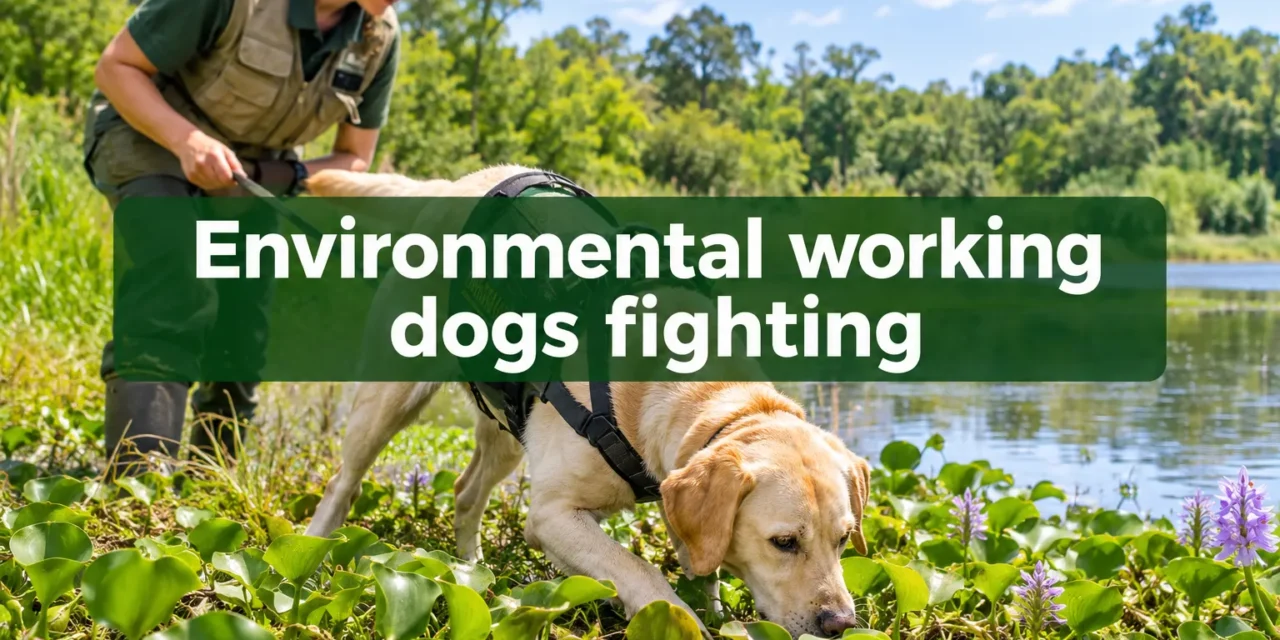
A Labrador named Animal of the Year didn’t win for fetching balls. She won for sniffing out sea vomit, a gross-sounding but seriously destructive invasive sea squirt choking harbors and coastlines.[1][2] That headline grabbed attention everywhere. But it’s not a fluke. It’s part of a much bigger, tail-wagging movement: environmental working dogs fighting invasive species across the globe, one sniff at a time.

These dogs aren’t just good boys and girls. They’re trained biosecurity experts with noses that outperform the best lab equipment. And they’re saving ecosystems one detection at a time.
Key Takeaways
- Environmental working dogs fighting invasive species can achieve detection accuracy rates around 75-97%, often beating human visual surveys.[3][4]
- New York’s new DISC program uses conservation dogs to find invasive mussels, plants, and bushclover statewide.[5]
- A dog’s nose can be up to 100,000 times more powerful than a human’s, making early detection possible before invaders spread.[6]
- Volunteer pet-dog teams in Germany proved that everyday dogs, not just elite K-9s, can pass rigorous field tests.[4][7]
- Detection dogs now help with invasive plants, mussels, insects, rodents, and even confirming full eradication on islands.[8]
What Makes Environmental Working Dogs Fighting Invasive Species So Effective
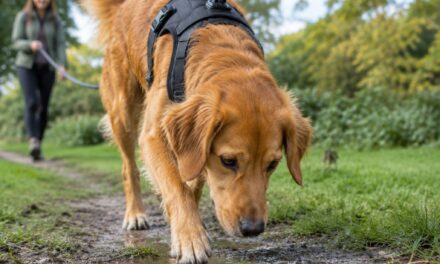
Dogs have noses built for this job. Where humans scan with their eyes, dogs scan with scent, and scent doesn’t lie. A weed can hide under taller plants. A mussel can cling invisibly to a boat hull. But scent travels. Dogs catch it.

Here’s the science-backed proof:
- Detection dogs can tell apart scat from closely related species with about 97% accuracy, compared to roughly 76% for trained human teams.[3]
- Dog teams can find about twice as many samples, cover more ground, and finish surveys twice as fast as people alone.[3]
- A 2026 review in Frontiers in Veterinary Science confirmed dogs are now a go-to tool when invaders are low-density and easy to miss visually.[2]
That nose advantage matters most in early detection. Catching one invasive weed before it spreads is cheap. Ripping out an entire infestation years later? Expensive, slow, and sometimes impossible.
“Dogs can find invaders humans walk right past.” 🐾
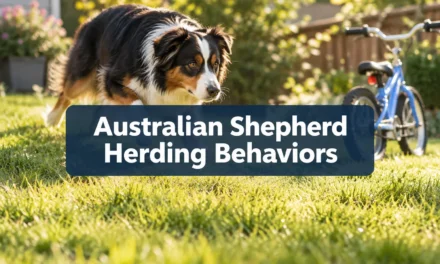
Breeds built for scent work and stamina, like the Belgian Malinois, often excel in this field. Their drive and focus make them paw-some partners for long field days.
Real Programs Using Environmental Working Dogs Fighting Invasive Species Right Now
This isn’t theoretical. Real programs, real dogs, real results, happening today.
New York’s DISC Program
In October 2026, New York’s Department of Environmental Conservation launched the Dogs for Invasive Species Control (DISC) program with the New York, New Jersey Trail Conference.[5] These dogs are deployed statewide to find:
- Scotch broom
- Zebra and quagga mussels at boat launches
- Shrubby bushclover
- Pepperweed
- Kudzu in cities and suburbs
The dogs use scent protocols borrowed straight from search-and-rescue work. Same nose power, new mission.
The Trail Conference’s Conservation Dogs Program
The Trail Conference says its dogs’ noses are up to 100,000 times more powerful than a human’s.[6] That’s not a typo. These dogs outperform human surveyors in both speed and accuracy, and they pair their findings with other monitoring tech to build stronger biosecurity systems.[5][6]
In April 2026, the program received a major grant to expand its work, official proof that institutions are putting real money behind canine conservation.[6]
Germany’s Volunteer Dog Teams
Here’s the part that should make every dog parent proud. A November 2026 study in PLOS One trained 31 pet dogs and their owners,regular families, not professional handlers, to detect three invasive plant species.[4][7] Of the 12 teams that completed field testing, 11 passed, hitting an average 75% detection success rate.[4][7][9]
Translation: your own furry family member might have what it takes.
Island Eradication Projects
Island Conservation uses detection dogs to find invasive feral cats, rats, mice, stoats, and even tiny Argentine ants.[8] After an eradication effort, these dogs sweep the area to confirm every invader is truly gone before restoration work begins. They’re basically the final quality check nature never had before.
Working Dogs for Conservation
Groups like Working Dogs for Conservation (WD4C) have expanded their mission far beyond scat tracking. Today’s conservation scent dogs find invasive plants, endangered species the size of a nickel, and even support anti-poaching and environmental justice work alongside Indigenous communities.[5]
Which Dogs Make the Best Invasive Species Detectors?
Not every dog is cut out for fieldwork, but plenty of breeds have the drive, nose, and stamina for it. Common traits of successful detection dogs include:

| Trait | Why It Matters |
|---|---|
| High scent drive | Keeps focus during long searches |
| Stamina | Fieldwork means hours outdoors |
| Trainability | Needs to learn multiple target scents |
| Calm temperament | Stays steady around wildlife and strangers |
Labradors are popular for good reason, they’re friendly, food-motivated, and nose-driven. Herding breeds and working breeds also shine. The Belgian Malinois brings intense focus but isn’t always the right fit for first-time handlers, these dogs need serious structure and purpose.
Even gentle giants get involved in conservation-adjacent community work. Breeds known for steady, people-loving personalities, like Bernese Mountain Dogs, show how versatile good temperament can be across different working roles.
Why This Matters for Biodiversity, and for Dog Lovers
Invasive species cost billions in damage every year. They crowd out native plants, choke waterways, and wreck habitats that took generations to build. Environmental working dogs fighting invasive species offer something human teams can’t: speed, accuracy, and a nose that never gets tired of the hunt.
The National Wildlife Federation calls this work “biosecurity”, stopping invaders before they take over, rather than cleaning up after.[1] That’s the real win here. Prevention beats cleanup every single time.
And it’s not just professional K-9 teams doing the work. The German study proves regular pet dogs can join the mission too.[4][7] That means your own dog’s love of sniffing everything on walks? It might actually be a superpower in disguise.
How Everyday Dog Owners Can Get Involved
Curious if your pup has what it takes? Here’s how citizen science detection programs typically work:
- Apply through a local program. Groups like the Trail Conference sometimes recruit volunteer teams.[6]
- Start scent training basics at home. Nose work games build real skills.
- Complete handler training. Owners learn to read their dog’s alert signals.
- Pass a field test. Teams prove they can find target scents reliably.
- Join real surveys. Trained teams help monitor parks, trails, and waterways.
Even if a formal program isn’t nearby, scent games keep dogs mentally sharp and happy. Bored dogs get into trouble. Working their nose? That’s pure joy for them.
Conclusion
Environmental working dogs fighting invasive species have gone from a cool news story to a proven conservation strategy. From Labradors sniffing out sea vomit to volunteer pet teams in Germany hitting a 75% success rate, these dogs are protecting ecosystems with nothing but their incredible noses and a lot of heart.[1][2][4][7]
Want to support this movement? Look into local conservation dog programs, support groups like the Trail Conference, or simply give your own dog’s nose some exercise through scent games at home. Every sniff counts, literally.
References
- Conservation Dogs. nwf.org.
- Pmc13212176. pmc.ncbi.nlm.nih.gov.
- Nose Knows Difference Detection Dogs Help Conservationists Track Invasive Species. environment-review.yale.edu.
- Article 75a4d40f 97a1 5ccd Bcce Faa8b6d93d1d. kpcnews.com.
- Dogs for Invasive Species Control Program. nynjtc.org.
- Conservation Dogs Program Our Work. nynjtc.org.
- 2026 11 Dogs Invasive Species Germany Accuracy. phys.org.
- Detection Dogs Conservation. islandconservation.org.