Every dog owner knows the walk isn’t really about the walk. It’s a fifteen-minute stroll around the block that somehow generates enough internal monologue to fill a podcast episode. Between the sniffing, the sudden stops, and the occasional squirrel-induced sprint, your brain is running a constant commentary track that nobody else will ever hear.

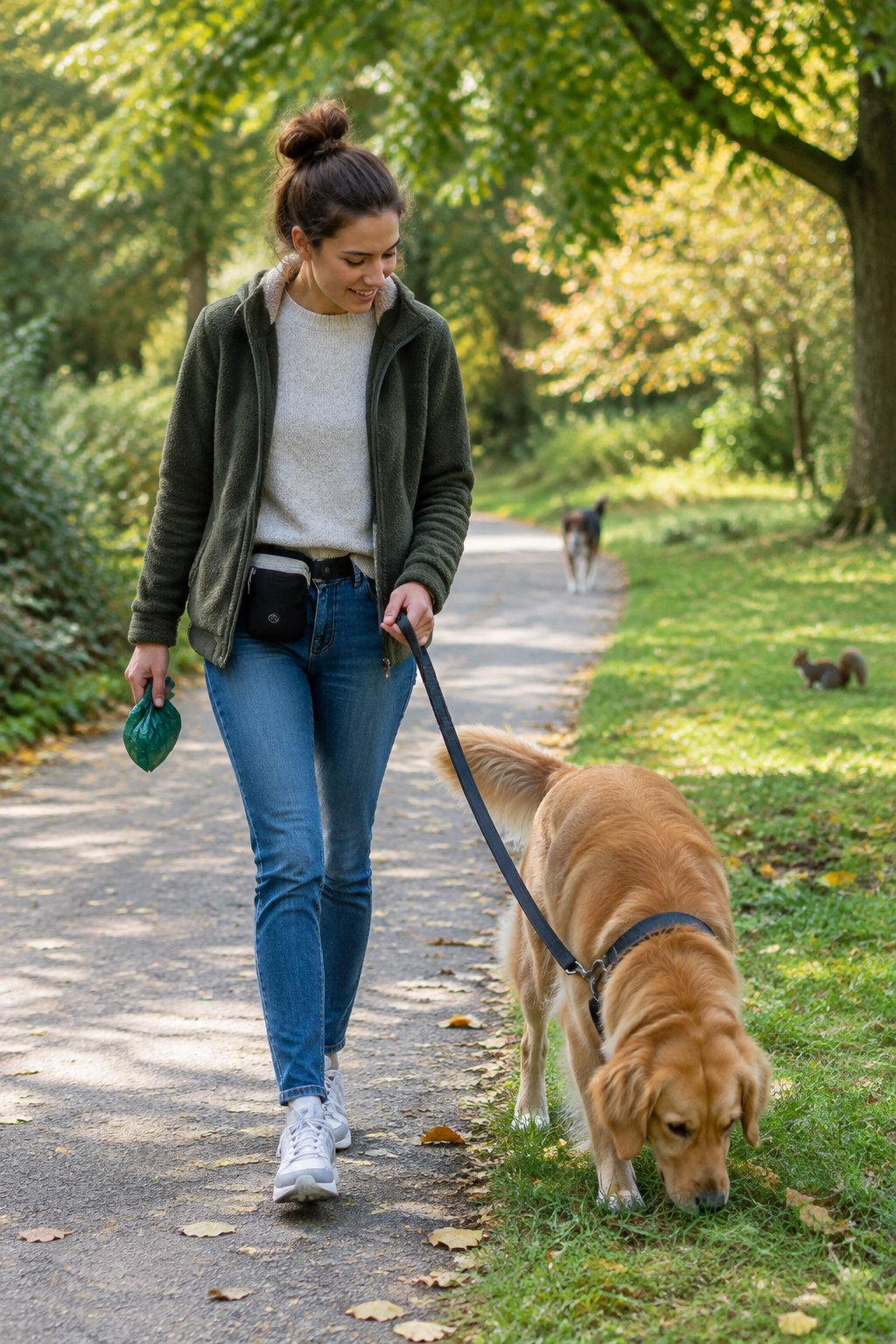
That commentary tends to follow a pattern. If you’ve ever caught yourself narrating your dog’s every sniff, side-eyeing a squirrel like it personally wronged you, or doing frantic mental math on how many poop bags are left in the roll, you’re in good company. Here are the fifteen thoughts that run through nearly every dog owner’s head, walk after walk, year after year.
1) Did You Finally Find the Perfect Place to Poop?
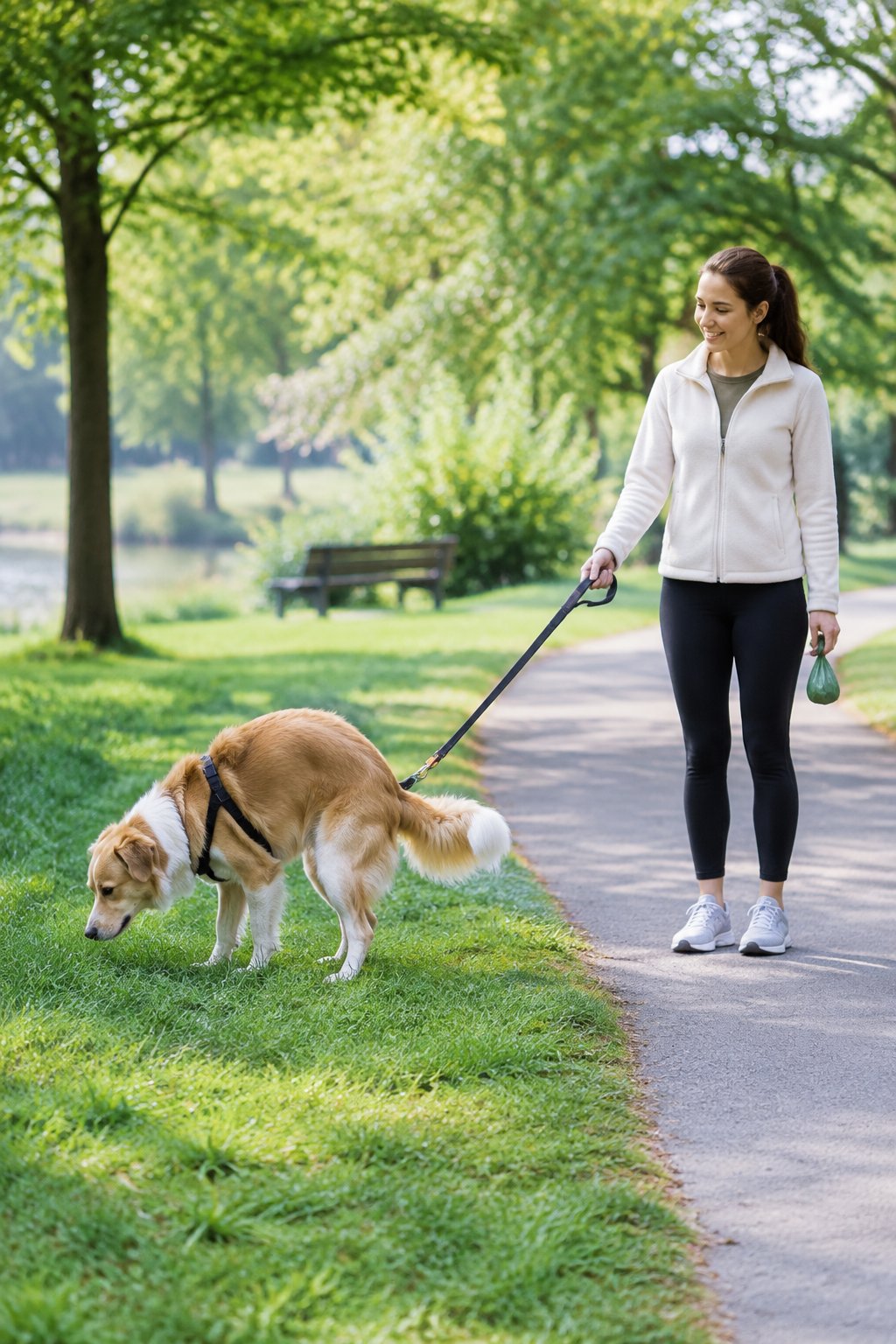
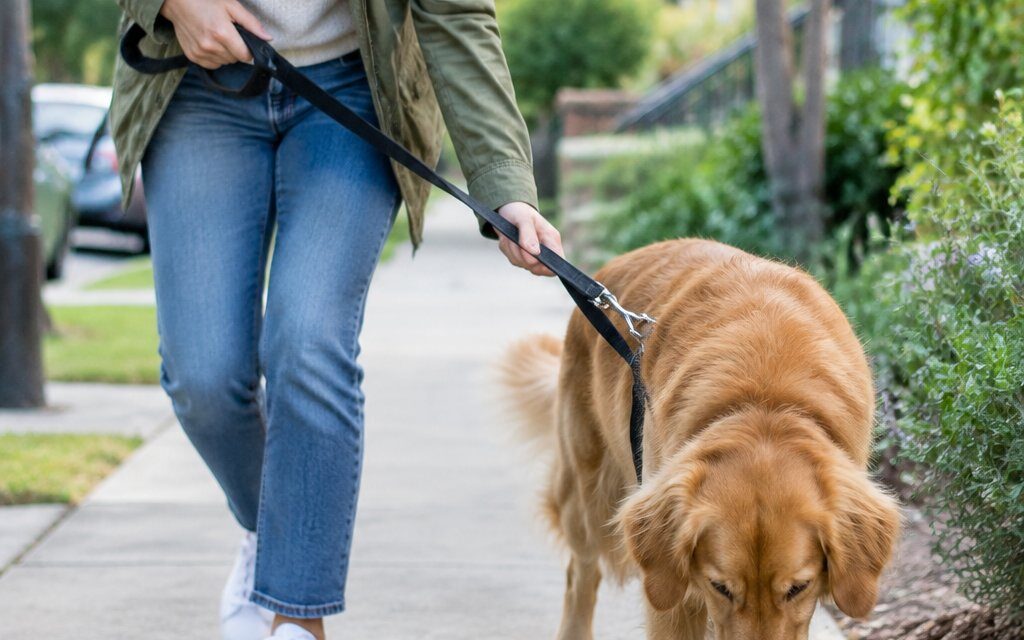
By the third lap around the same patch of grass, you start negotiating out loud. Your dog has passed judgment on four separate lawns, sniffed a fence post twice, and circled back to the first spot like it’s reconsidering a real estate deal. There’s a reason for the ritual: sniffing is how dogs gather information, and letting them take their time to sniff around during a walk is one of the small kindnesses that makes the outing feel worthwhile for them, not just for you. Rushing that process tends to backfire anyway. A dog who never gets to fully investigate a spot often just keeps looking, which means more standing around, not less.
2) Please Don’t Eat That Mystery Sidewalk Snack.
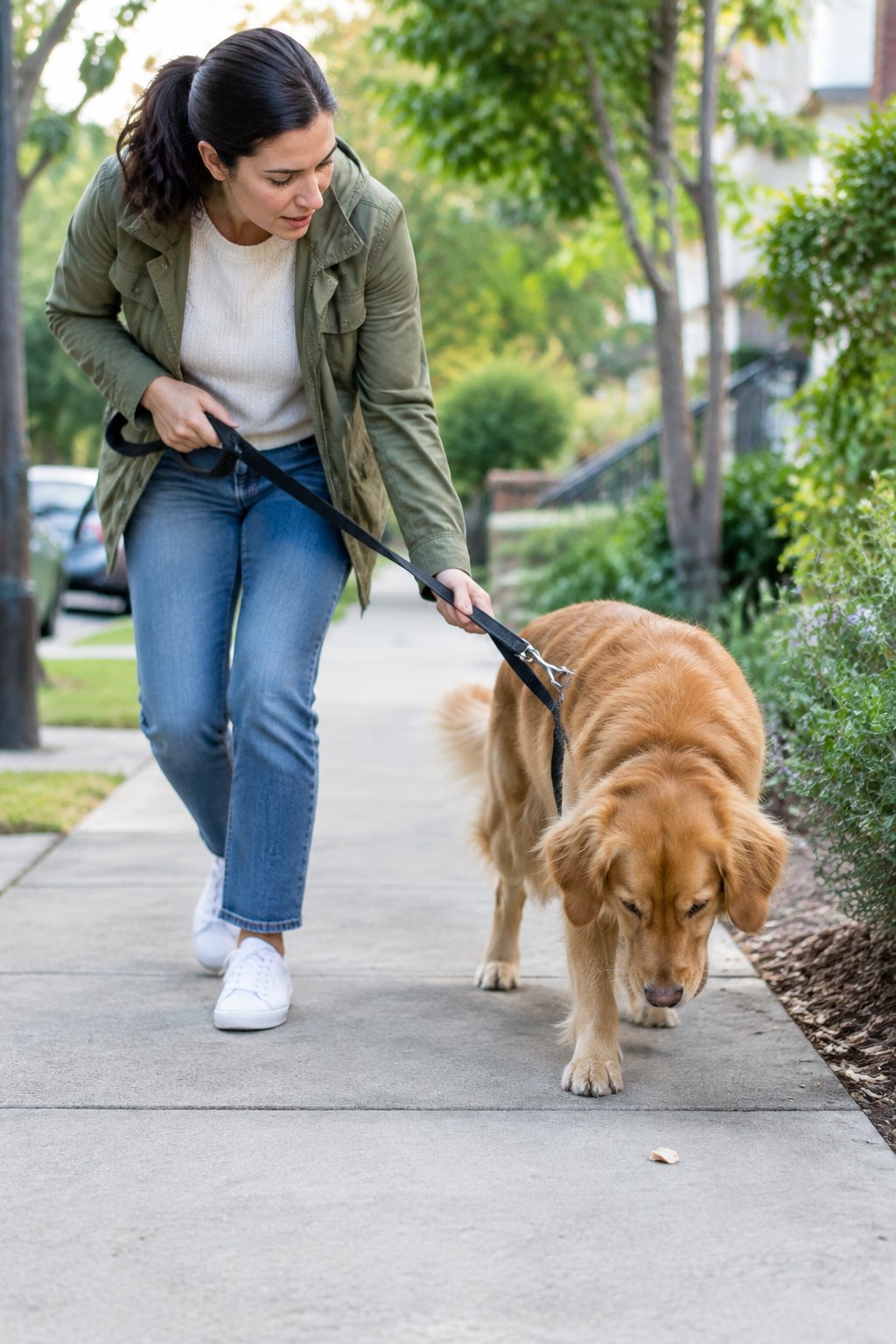
Nothing sharpens your reflexes like spotting a suspicious lump on the pavement half a second before your dog does. The panic is real, but the fix is usually calm redirection rather than a frantic yank. Being ready to redirect a dog’s attention when it fixates on something during a walk helps maintain focus and reinforces good habits over time, per that same dog walking basics guide. A cheerful “leave it,” a treat held near your knee, or simply stepping to the side works better than a tug-of-war over a chicken bone nobody invited to the party. Keeping a few high-value treats in your pocket makes this redirect faster and a lot less dramatic for both of you.
3) We Walked Ten Feet—How Is There Another Smell?
Your dog’s nose is doing more work in those ten feet than your eyes will do all day. Dogs sniff in short bursts at up to 200 times per minute, roughly ten times the rate of human breathing, which is part of why a single mailbox post can hold their attention longer than your entire grocery list would hold yours, according to a breakdown of what dogs pick up on during walks. What looks like stalling is a dog reading a scent trail left by every animal, person, and food wrapper that passed through before you got there. It’s less an obstacle to your walk and more the actual reason your dog wanted to come outside.
4) Do I Have Enough Poop Bags for This?
The math happens fast: one bag used two blocks ago, a second squishy suspicious pile just spotted ahead, and a faint memory of restocking the roll on the leash clip last week. Carrying a couple of spares clipped to the leash or tucked into a jacket pocket solves this before it becomes a problem, and it’s worth treating as a non-negotiable part of your walking kit alongside a properly fitted leash, according to a complete dog walking tips guide. Cities and neighborhoods increasingly expect owners to clean up promptly, and running out mid-walk turns a pleasant stroll into an awkward jog home and back. Keep a small stash in your car or by the front door as backup for the bag dispenser you’ll inevitably forget to refill.
5) Is That Squirrel Worth Pulling My Arm Off?
That full-body freeze right before the lunge is unmistakable. Perked ears and a locked stare are classic signs a dog has spotted something exciting, and staying alert to that body language gives you a half-second head start before the leash goes taut, per Sploot Veterinary Care’s walking guide. A firm “let’s go” and a shorter grip on the leash usually beats a full-arm yank after the fact. Dogs with a strong prey drive rarely lose interest in squirrels no matter how many walks go by, so the practical move is managing the moment, not expecting the fixation to fade.
6) Can We Pass That Dog Without a Fuss?
The calculation starts the second another leash appears down the block: distance, body language, whether either dog is tensing up. Watching for stiff posture, raised hackles, or a hard stare in either dog gives you time to cross the street or widen your path before tension turns into a real problem, according to Sploot’s dog walking safety tips. Not every dog wants to be greeted, and that’s fine. A friendly nod to the other owner and a wide berth is a perfectly good outcome for a walk, no sniffing introduction required.
7) Why Does the Leash Get Tight at Every Crosswalk?
That sudden tug right at the curb isn’t random. Dogs pick up on tension through the leash itself, and a tighter grip from you (even one you don’t notice yourself doing) can make your dog more alert and ready to react, per an analysis of what dogs notice about their owners on walks. Crosswalks naturally make owners a little more cautious, watching for cars, checking both ways, and that caution travels straight down the leash. Loosening your grip and taking a breath before stepping off the curb keeps the moment calmer for both ends of the leash.
8) Did I Bring Treats for That Perfect Check-In?
There’s nothing like your dog voluntarily glancing back at you mid-sniff, as if to say “still with you,” only to realize your pockets are empty. Rewarding a dog with treats and praise for good behavior during a walk reinforces the habit and makes future check-ins more likely. A small treat pouch clipped to your belt or a handful of kibble in a jacket pocket means you’re never caught flat-footed when your dog does exactly the thing you’ve been working on.
9) Is the Pavement Too Hot for Your Paws?
If your dog suddenly starts hopping between shady patches or refuses to keep walking, the sidewalk is probably the culprit. Because owners wear shoes, it’s easy to miss just how hot pavement gets in direct sun, and a dog hesitating or lifting a paw is a clear signal to move to grass or head home. Walking during the cooler morning or evening hours sidesteps the issue entirely, and dog booties are worth considering for anyone walking regularly on city sidewalks in summer.
10) Am I Walking Too Fast for You?
Slowing down mid-stride because your dog has planted all four feet at a fence post is a familiar little dance. Puppies and smaller dogs tire faster and need shorter, gentler outings, and pushing the pace works against the point of the walk. Matching your pace to your dog’s age, breed, and energy level, rather than to whatever podcast episode you’re halfway through, makes the walk feel less like a chore for either of you.
11) Please Don’t Pee on the Neighbor’s Flowers.
The lunge toward a freshly planted flower bed always seems to happen in slow motion, giving you just enough time to picture the neighbor’s face. A short leash and a quick redirect toward the curb or a patch of grass usually saves the tulips. It’s a small thing, but it’s also part of being a decent neighbor: nobody wants to find out their prized hydrangeas doubled as a fire hydrant. Keeping your dog moving past the flashiest flower beds, rather than lingering right at the edge, heads off the problem before it starts.
12) Was That a Raindrop?
One drop on your forehead and suddenly you’re doing a mental inventory of how far you are from home, whether your dog even minds getting wet, and if you left a window open. Some dogs shake off rain like it’s nothing; others plant their feet and give you a look that says the walk is officially over. Either way, a light rain jacket for your dog and a slightly shorter loop on drizzly days keeps things comfortable without cutting the walk entirely.
13) Did That Stranger Hear Me Talking to My Dog?
Somewhere between “come on, buddy” and a full pep talk about ignoring the mail carrier, you realize you’ve been talking out loud for the better part of a block. Dogs respond more to tone and pitch than to actual vocabulary, and an upbeat, encouraging tone tends to get a better response than a flat one, per a look at what dogs notice about their owners. So yes, the stranger probably heard you, and no, it doesn’t matter. Talking to your dog on a walk is one of the more harmless habits you’ll ever pick up.
14) Could We Take the Long Way Home?
The short route means home, dinner, and the couch. The long route means one more loop past the good sniffing spots and a few extra minutes of fresh air for both of you. Changing up the route now and then also keeps things interesting for your dog, since a new block or park path gives them new smells and sights to take in. More often than not, the long way wins, and neither of you regrets it once you’re out there.
15) How Did This Little Walk Become My Favorite Part of the Day?
It sneaks up on you: the same block, the same fire hydrant, the same dog trotting a few steps ahead, and somehow it’s the best twenty minutes of your afternoon. Regular walks double as a bonding experience that supports a dog’s physical health and mental stimulation while giving owners a built-in reason to step outside and unplug. There’s no big secret to why it feels good. It’s just consistent, low-stakes time spent side by side with someone who’s always glad to be there.
The Joy of the Everyday Walk
The walk you’ve done a hundred times still manages to surprise your dog every single time, and that contrast is part of what makes the ritual worth keeping.
Why Do Familiar Routes Still Feel New to Your Dog?
Smells change even when the scenery doesn’t. A different dog passed through overnight, a squirrel buried something new under the same oak tree, a neighbor’s trash went out a day early. Letting a dog sniff around during a walk gives it the chance to read all of that fresh information, and that sniffing is a meaningful part of the outing rather than a delay to get past. The block hasn’t changed. What’s on it has, and that’s plenty to keep a dog engaged on the same loop day after day.
How Do Daily Walks Become a Shared Routine?
The routine forms from repetition: the same leash grab, the same jingle of the collar, the same door swinging open onto the same street. Daily walks build a rhythm that benefits a dog’s physical health while giving owners a dependable slice of exercise and fresh air built into the day. Over weeks and months, that rhythm turns into something closer to a shared habit than a chore on a list, and it’s often the walk, more than anything else in the day, that both of you end up looking forward to.