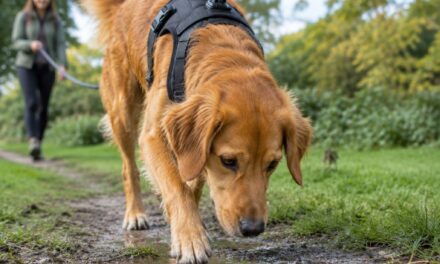
A dog can smell sadness. Literally. Science shows dogs pick up on stress hormones in human sweat and breath. So when grief fills a house, your dog smells it before you even say a word.

That brings us to the big question: do dogs understand when someone they love dies? The short answer is yes, sort of. Dogs may not understand death the way humans do. But they absolutely know when someone is gone. And they feel it deeply.
This article digs into what science says, what dog parents report, and how to help your furry best friend through loss. Let’s get into it. 🐾
Do Dogs Understand When Someone They Love Dies?
Dogs don’t think about death like we do. They don’t understand “forever.” But they absolutely notice when a person or furry sibling stops coming home. That absence hits hard.
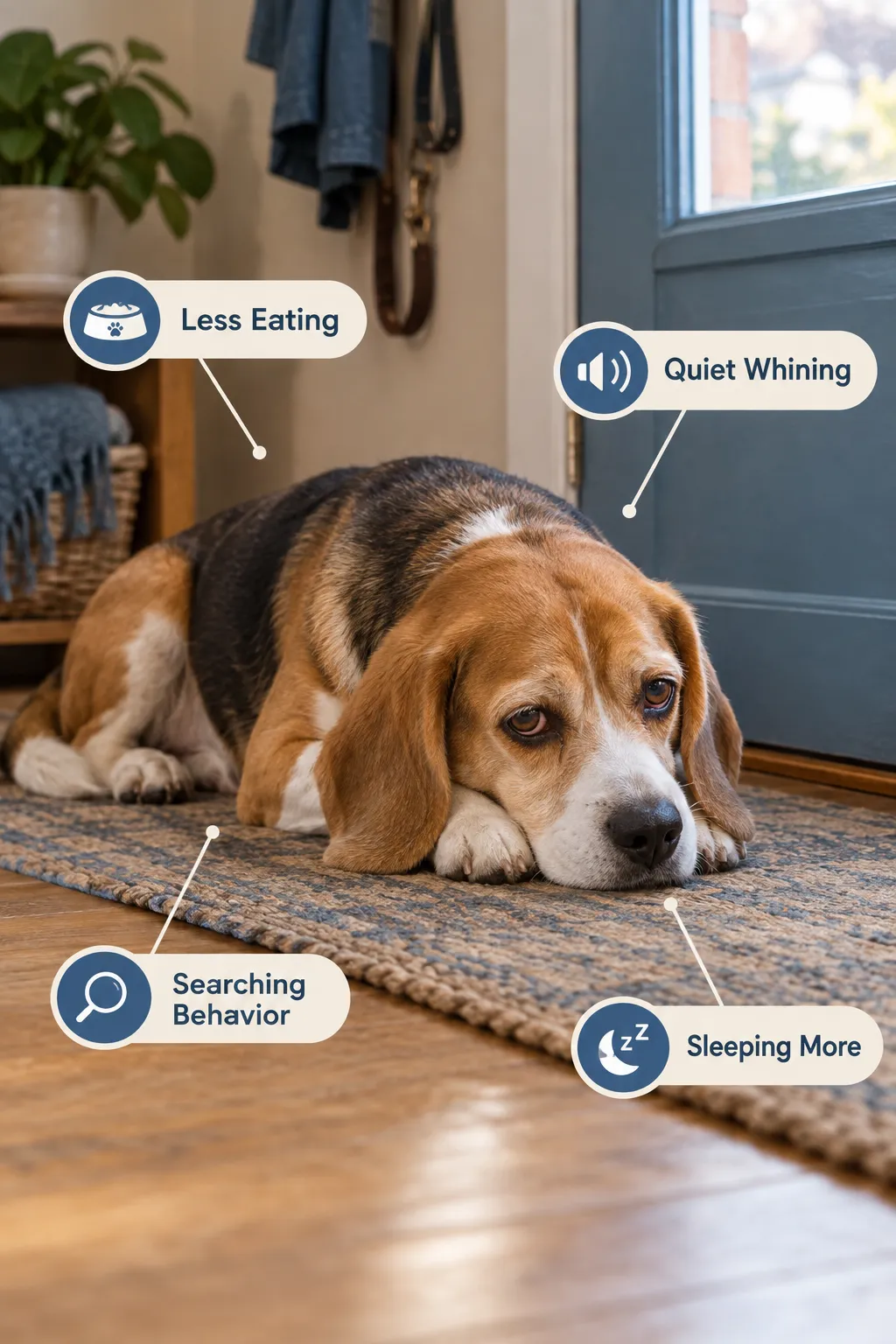
Dr. Barbara J. King, a biological anthropologist, has studied animal grief for years. Her research shows that many animals, not just dogs, show real signs of mourning. Dogs sniff around empty beds. They wait by doors. They whine at night.
So, do dogs understand when someone they love dies? They understand loss. They understand change. And they feel the emotional shift in their home instantly.
Here’s what’s really happening in your dog’s brain and heart:
- Scent memory: Dogs recognize people by smell more than sight. When that scent disappears from the house, dogs notice fast.
- Routine disruption: Dogs thrive on routine. No more walks with Grandpa? No more belly rubs from a sibling dog? Dogs feel that gap immediately.
- Emotional contagion: Dogs mirror the emotions of their family. If you’re crying, your dog feels your sadness too.
What Science Says About Canine Grief
Researchers at universities including Exeter and Azabu University have studied dog behavior around loss. Many studies point to real behavioral and physiological changes after a death in the household.
A 2022 study published in Scientific Reports surveyed hundreds of dog owners whose dogs had lost a companion animal. The results were pretty clear:
- 86% of owners reported behavior changes in their surviving dog.
- Dogs became more clingy and sought attention more often.
- Many dogs ate less and slept differently.
- Dogs searched for the missing companion around the house.
This tells us something important. Dogs don’t need to understand the concept of death. They just need to notice someone is missing, and that’s enough to change their whole mood.
“Dogs mourn in their own way. It might not look like human grief, but it’s real, and it deserves our compassion.”, Veterinary Behaviorist perspective, widely echoed across animal behavior research
How Dogs Grieve: Signs and Behaviors Explained
Grief in dogs looks different from grief in people. There’s no crying at a funeral. But there are clear, physical signs that something is wrong in your dog’s world.
Common Signs of Grief in Dogs
Watch for these behaviors after a loss in the family:
- Loss of appetite, Your pup may skip meals or eat way less.
- Low energy, Less tail-wagging, less zoomies, more lying around.
- Searching behavior, Sniffing rooms, scratching at doors, checking favorite spots.
- Increased vocalizing, More whining, howling, or barking at odd times.
- Sleep changes, Sleeping way more, or struggling to settle at night.
- Clinginess, Following you from room to room like a furry shadow.
- Avoiding food or toys tied to the person or pet who passed.
These signs usually show up within the first few days to two weeks after a loss.
Do Dogs Understand When Someone They Love Dies in Multi-Pet Homes?
This question gets even more interesting with multi-dog households. When one dog passes, the surviving dog often grieves hard. Here’s why:
| Behavior Change | Why It Happens |
|---|---|
| Searching for the missing dog | Scent memory stays strong for weeks |
| Guarding the deceased dog’s bed | Attachment to familiar scent and space |
| Reduced play and interest in toys | Emotional withdrawal, similar to sadness |
| Sticking closer to humans | Seeking comfort and reassurance |
A grieving dog isn’t being dramatic. It’s experiencing a very real emotional response to an empty space in its pack.
Can Dogs Sense Death Before It Happens?
Many dog parents swear their dog “knew” before a person or pet passed away. There’s growing interest in this idea.
Dogs have incredibly powerful noses, up to 10,000 to 100,000 times more sensitive than a human nose. Some researchers believe dogs may detect chemical changes in the body linked to illness or organ failure. This could explain why dogs sometimes act differently right before a death, like refusing to leave someone’s side.
This isn’t magic. It’s biology. Dogs read chemical signals we can’t even imagine.
How Long Does Dog Grief Last?
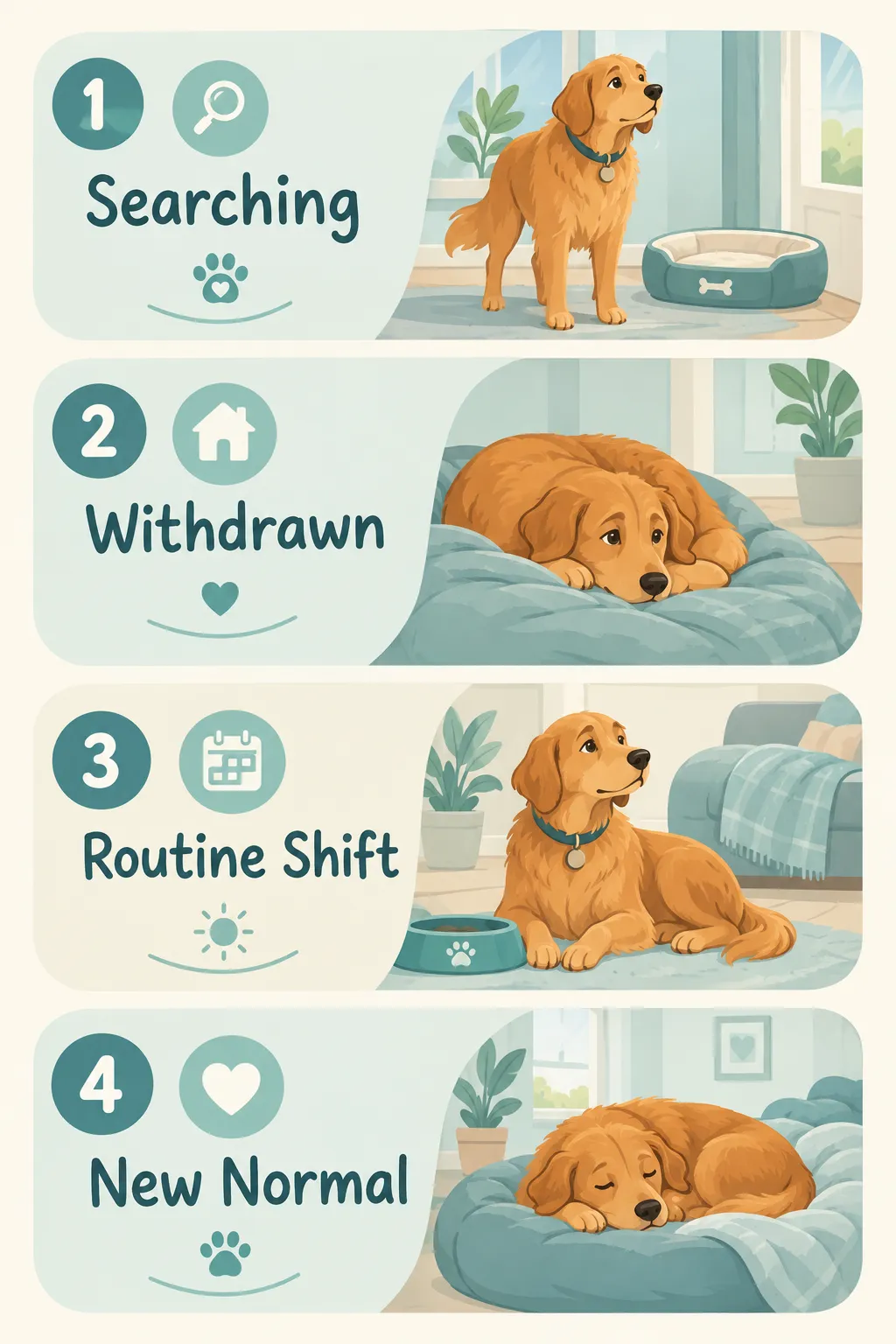
Grief doesn’t follow a strict timeline, for dogs or for us. But most dogs start feeling better within a predictable window.
- 1-2 weeks: Peak sadness, searching, low appetite.
- 3-6 weeks: Appetite returns, energy slowly comes back.
- 2-3 months: Most dogs settle into a “new normal” routine.
Every dog is different. Senior dogs or dogs with strong bonds may take longer. Puppies tend to bounce back faster.
How to Help a Grieving Dog Heal
Good news, dog parent: you can help your pup through this. Your presence matters more than you know.
Simple Ways to Support Your Dog
- Keep routines steady. Same walk times. Same meal times. Predictability feels safe.
- Offer extra affection. Pets, cuddles, and calm voice tones go a long way.
- Get outside. Fresh air and sunshine naturally boost mood, for dogs and humans alike.
- Avoid forcing interaction. Let your dog approach you when ready.
- Watch their appetite. If it doesn’t improve after 2-3 days, call your vet.
- Consider new positive activities. A new puzzle toy or short training session can rebuild joy.
- Give it time. Healing isn’t instant. Patience is everything.
When to Call the Vet
Grief is normal. But sometimes it masks a health issue. Call your vet if your dog:
- Refuses food for more than 48 hours
- Shows signs of pain or illness
- Loses noticeable weight
- Becomes aggressive or extremely withdrawn
- Shows no improvement after 4-6 weeks
Your vet can rule out medical causes and offer guidance specific to your dog.
Do Dogs Understand When Someone They Love Dies? What Dog Parents Should Know
Here’s the heart-warming truth: dogs may not understand death intellectually, but they understand love, and they understand absence. That’s powerful enough.
When someone a dog loves dies, the dog experiences:
- A missing scent
- A missing voice
- A missing presence in daily routine
- A shift in the emotional energy of the home
Dogs are wired to bond deeply. Studies on oxytocin, the “love hormone”, show that dogs release this hormone when bonding with humans, just like human parents bonding with babies. That bond doesn’t just disappear when someone passes. The dog still feels it, even without the person physically there.
This is exactly why dogs grieve. The bond was real. The loss is real. And the dog’s reaction is a tail-wagging, heart-tugging proof of how much dogs truly love their families.
Conclusion: Supporting Your Dog Through Loss
So, do dogs understand when someone they love dies? Not in words. Not in deep philosophical thought. But in feeling? Absolutely, yes.
Dogs notice absence. They feel shifts in routine, energy, and scent. They mourn in their own paw-some way, through quiet whines, searching behavior, and extra snuggles at night.
The best thing any dog parent can do is stay patient, stay present, and offer extra love during this tender time. Keep routines steady. Watch for warning signs. And remember: healing takes time, for humans and dogs alike.
Next steps for dog parents:
- Watch your dog’s eating and sleeping habits closely this week.
- Keep daily walks and feeding times consistent.
- Spend extra one-on-one time together, even just 10 minutes a day.
- Call your vet if grief symptoms last longer than a few weeks.
- Be gentle with yourself too, you’re grieving alongside your best friend.
Your dog loved deeply. That’s why this hurts. But with time, patience, and plenty of belly rubs, brighter tail-wagging days are ahead. 🐶💛